Last updated November 20, 2026
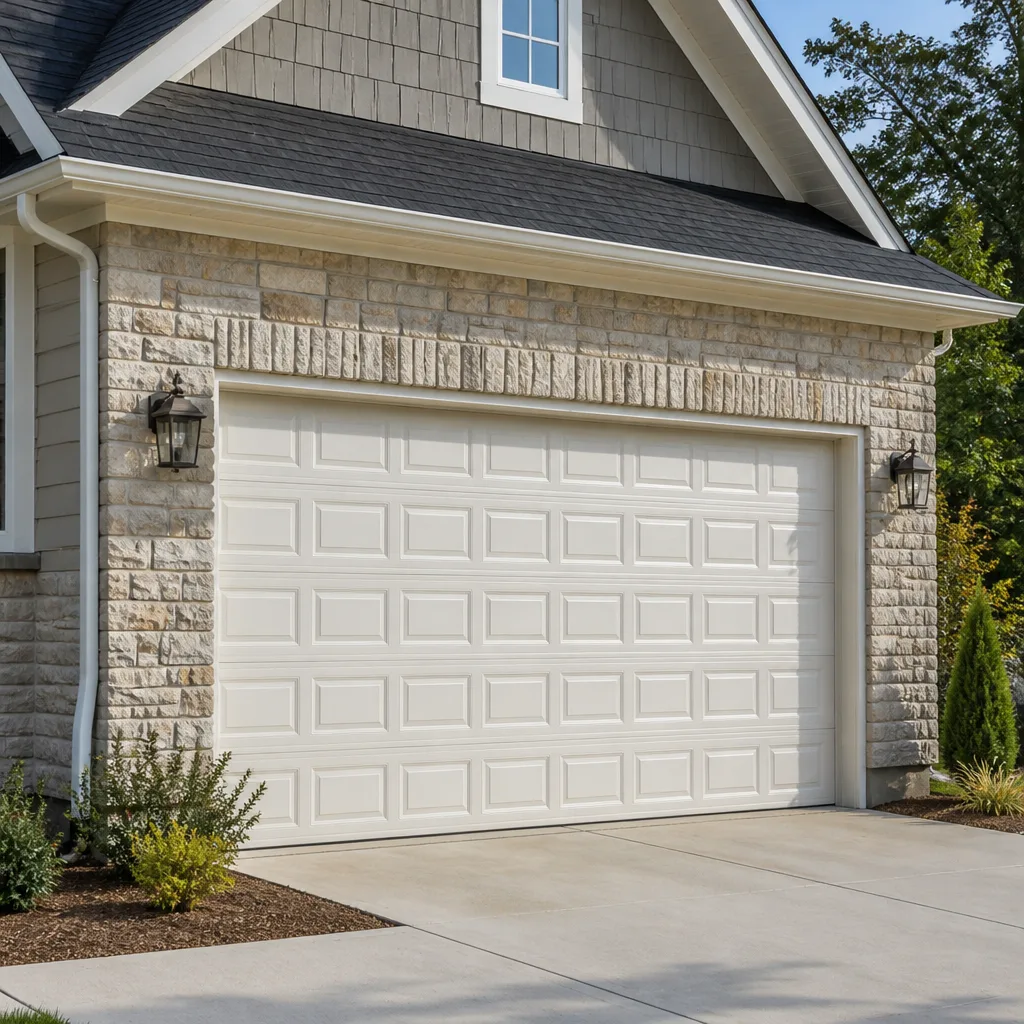 Raised-panel steel
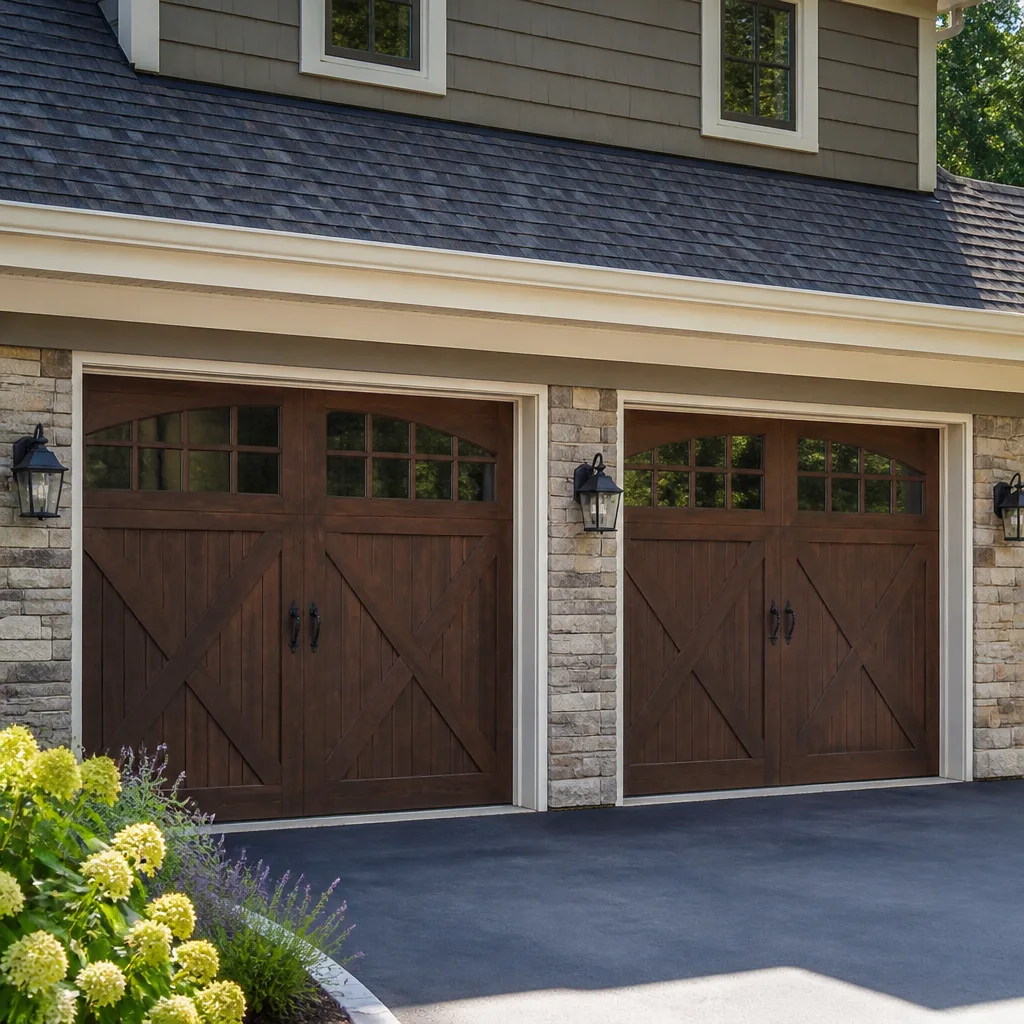 Carriage house
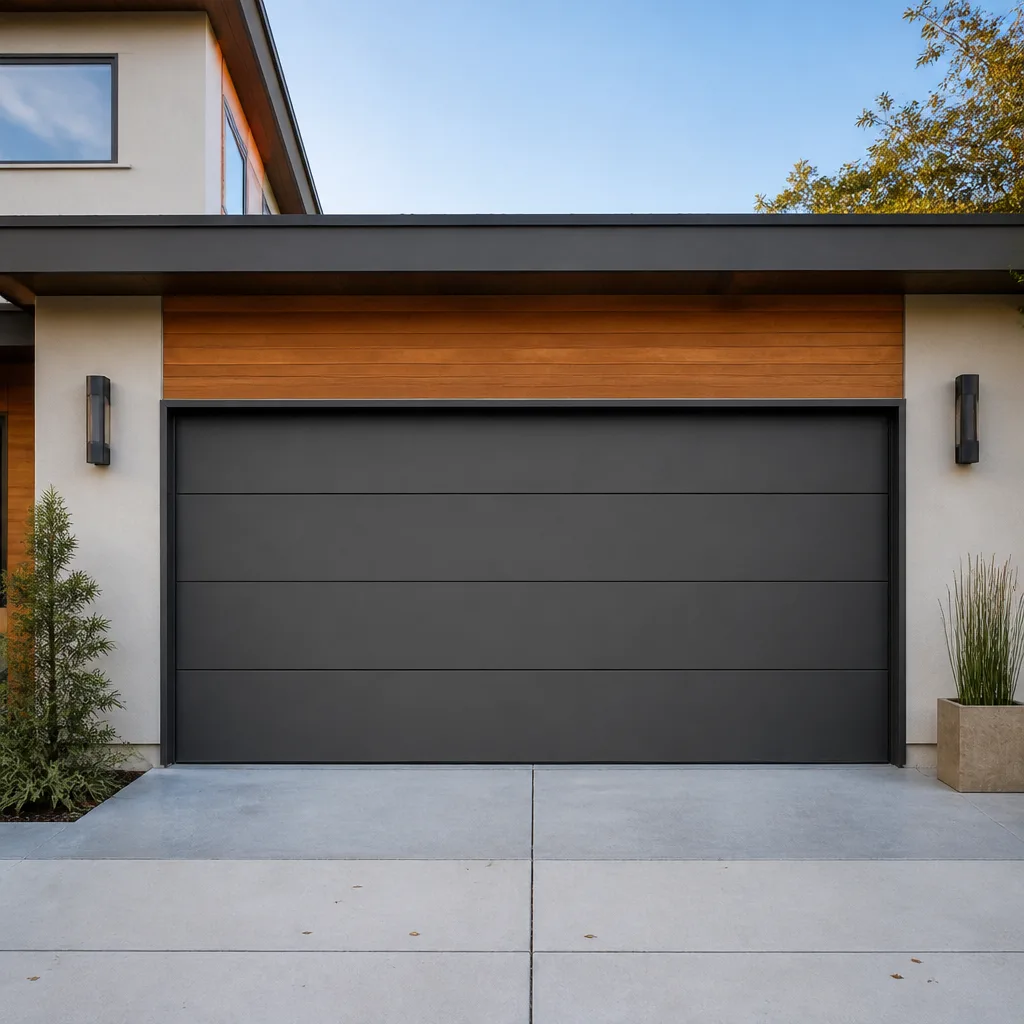 Modern flush
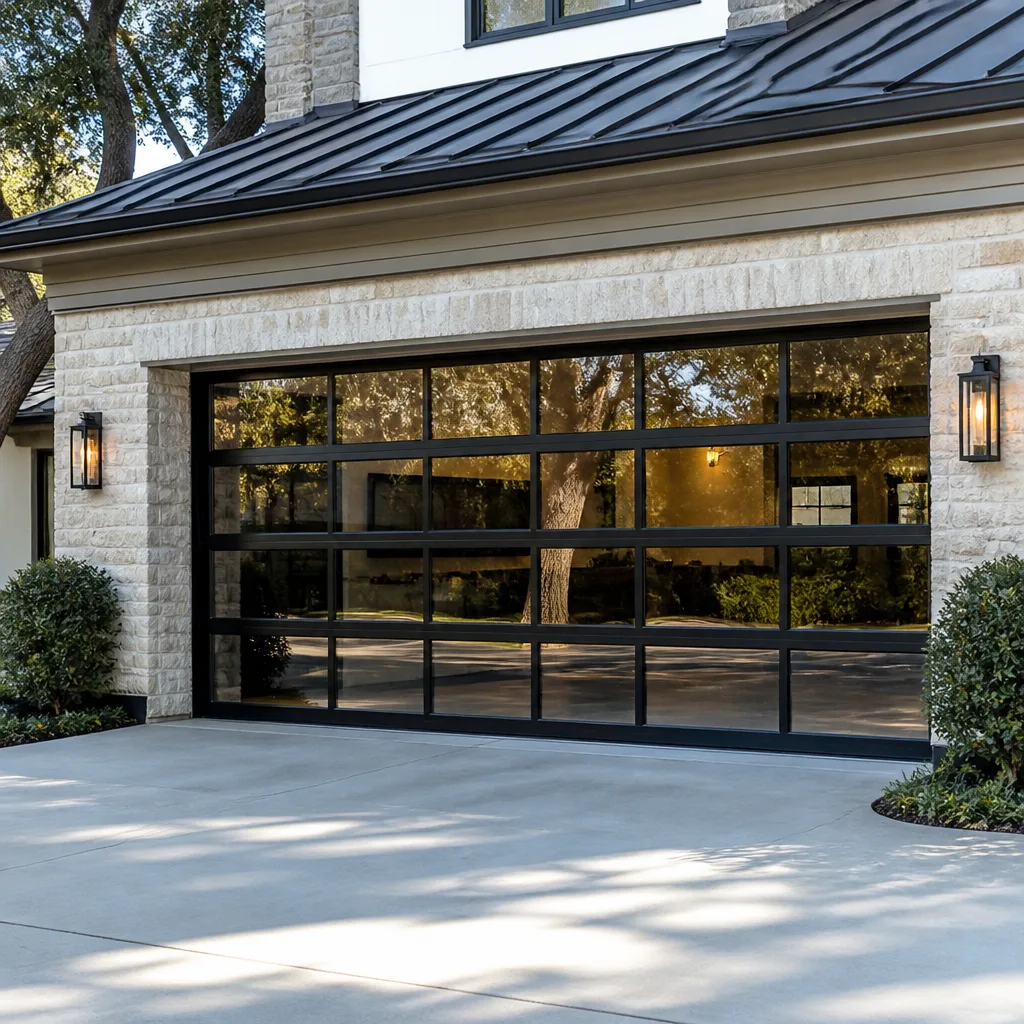 Full-view glass
 LiftMaster openers
 Chamberlain openers
Full 25-point door and opener safety check with every visit - springs, cables, rollers, tracks, and your LiftMaster or Chamberlain opener included
You get a price before we start. It does not change when the pro arrives.
Get your free estimateSeasonal Garage Door Care for Mount Washington: Year-Round Homeowner’s Guide
The most common spring service call we get in Mount Washington doesn’t come from winter damage. It comes from thermal contraction. Cold pulls steel tracks, hinges, and spring hardware tighter all season, and when March warms up that tension goes slack while nobody checks it. A door that ran quiet in January starts grinding, drifting, or hanging crooked in April, and the homeowner assumes something broke. Usually nothing broke. The hardware just needs to be brought back to spec. This guide maps the tasks that actually matter to each quarter of a Cincinnati year, from October seal inspections to summer humidity and opener electronics, so your door stays square through all four seasons.
Quick Answer
Seasonal garage door care in Mount Washington means inspecting and adjusting the system four times a year against the stresses of each quarter: seals and cables before the first freeze, spring tension and track alignment after winter, humidity control and lubrication through summer, and balance and weatherstripping in fall. Most of the work is visual inspection, cleaning, and lubrication you can do yourself. Balance, spring tension, and cable work belong to a trained technician because those components store enough force to cause serious injury.
Styles & brands we work with
- Raised-panel steel
- Carriage house
- Modern flush
- Full-view glass
- LiftMaster openers
- Chamberlain openers
Table of Contents
- Why Cincinnati Seasons Hit Garage Doors Harder Than You’d Think
- What to Inspect in October Before the First Freeze
- Winter: Cold Brittleness, Cables, and What to Leave Alone
- Spring: What Returns to Normal and What Stays Stressed After a Cincinnati Winter
- Summer Humidity: Seals, Wood Joints, and Opener Electronics
- Adjusting Your Opener’s Down-Force Setting Seasonally
- Storm Preparation for Mount Washington’s Hillside Exposure
- Your Four-Season Maintenance Calendar
Why Cincinnati Seasons Hit Garage Doors Harder Than You’d Think
A garage door is a mechanical system made of steel, rubber, wood, and electronics, and every one of those materials expands, contracts, dries out, or absorbs moisture at a different rate. Cincinnati’s swing between humid summer air and hard winter cold cycles the whole assembly through repeated expansion and contraction. Mount Washington sits on hilly terrain where garages are often cut into slopes and exposed to more wind and debris than a flat suburban lot, and that exposure adds a mechanical stress on top of the thermal one.
The result is that a garage door doesn’t wear evenly through the year. It accumulates stress in one season and shows the symptoms in another. A seal that cracked in January shows up as a wet floor in April. A spring that was fine in October starts lifting unevenly in June because the humidity changed the door’s weight profile. Understanding that lag is the whole point of seasonal care.
We work on the brand you already have. Whether it’s a Raynor steel door, a LiftMaster opener, or a LiftMaster wall-mount unit, the seasonal tasks are the same in principle and slightly different in detail. Factory familiarity with the major residential brands means a technician knows where the tension points are before touching the door. For anything that turns into an actual repair, our Garage Door Repair Mount Washington team handles both the door and the opener under one call.
What to Inspect in October Before the First Freeze
October is the highest-value inspection month of the year in Mount Washington, because the failures you prevent now are the emergency calls you avoid in January. Freeze damage almost always starts with a small crack or a loose fastener that was ignored in fall.
The October checklist
- Bottom seal and side weatherstripping. Run a hand along the bottom rubber and look for cracks, flattening, or gaps at the corners. A cracked seal lets in cold air and, more important, lets in water that freezes under the door and stresses the bottom panel when the door lifts.
- Cables. Look at the cables on both sides for fraying, kinks, or rust at the drum. Cold makes steel cable less forgiving, and a frayed strand that survives summer can snap on a hard freeze. Do not touch or adjust a cable under tension; note the condition and have it assessed.
- Hinges and rollers. Check for loose hinge screws and rollers that wobble in the track. Tighten what’s loose and lubricate rollers and hinges with a garage-door-rated lubricant, not WD-40.
- Track alignment. Look down each vertical track from the floor. A track that’s out of plumb or has a dent will bind worse in cold weather when the door panel contracts.
- Door balance. Disconnect the opener and lift the door halfway by hand. It should stay put. If it drops or rises on its own, the spring tension is off and needs a technician.
- Garage floor drainage. Water pooling at the threshold is a freeze hazard. Clear any debris and check that the slab pitches away from the door.
- Opener travel and safety reverse. Test the auto-reverse by placing a small object in the door’s path. If it doesn’t reverse on contact, the opener needs adjustment before winter.
Do this once in October and you’ve addressed the failure modes that cause most cold-weather emergencies. Anything beyond inspection, lubrication, and tightening is a job for a technician, and a free estimate in October is far cheaper than an emergency call in a cold snap. If your fall inspection turns up something that needs fixing, our garage door repair service can take it from there.
Winter: Cold Brittleness, Cables, and What to Leave Alone
Winter is when Mount Washington garage doors fail hardest, and it’s also the season when homeowners get hurt trying to fix them. Two rules carry the season: keep the door moving, and never touch a spring or cable under tension.
What cold actually does
Steel contracts. That contraction tightens springs, pulls tracks slightly out of alignment, and makes every hinge and roller work against a stiffer system. Rubber seals harden and lose their flexibility, so a bottom seal that sealed fine in October can fail to seat in a January cold snap. Wood doors and wood-composite panels absorb and release moisture slowly, and the dry indoor air of a heated garage can cause joints to open. Old grease thickens and stops lubricating.
Winter care you can do
- Keep the door’s path clear of ice and snow. Don’t force a door that’s frozen to the floor; free the bottom seal first.
- Re-lubricate hinges and rollers with a cold-rated lubricant. Grease that’s too thick for the temperature is worse than nothing.
- Run the door through a full open-and-close cycle a few times a week so the mechanism doesn’t sit static and stiff.
- Listen for changes. New grinding, a louder opener, or a door that hesitates halfway up are all early signs worth a call.
What to leave alone
Torsion springs store enormous force, and a spring that’s cold, worn, or partly fractured can release that force without warning. Cables, drums, and the spring assembly are not homeowner territory. If you hear a loud bang from the garage and the door won’t lift, the spring has likely failed. Don’t try to open the door, don’t prop it, and call for help. Our team handles spring repair safely with the proper tooling, and our garage door opener repair covers the electronics side when a cold-weather failure is in the opener rather than the door.
Winter is also when emergency service earns its keep. When your door won’t move in sub-freezing weather, that’s a security problem as much as a mechanical one, and a same-day response matters more than the lowest quote. Call and describe what happened; the more detail you give, the faster the diagnosis.
Spring: What Returns to Normal and What Stays Stressed After a Cincinnati Winter
Spring is the transitional quarter, and it’s where the thermal contraction that tightened everything all winter goes slack. Some things settle back on their own. Others stay stressed and need attention. Knowing which is which saves you from chasing a problem that fixes itself and missing one that doesn’t.
What usually returns to normal
- Track alignment. A track that was slightly out in January often lines back up as the steel warms. Recheck it, but don’t over-correct in March for a problem that was seasonal.
- Roller drag. Rollers that were stiff in the cold usually free up. If they don’t, they’re worn out, not just cold.
- Seal flexibility. Rubber that felt rigid in February usually softens again. Check for cracks left behind from the freeze-thaw cycle.
What stays stressed and needs a technician
- Spring tension. A spring that cycled through a hard winter may have lost tension or a coil. If the door feels heavy or won’t stay halfway, the spring needs assessment.
- Cables. Fraying that started in the cold doesn’t heal in the warm. A cable that looks worse in spring should be replaced.
- Hinges and fasteners. Winter contraction loosens hinge screws. Re-tighten them and check that the door hangs square.
The spring tune-up is also the right time to test the opener’s safety reverse and to inspect the door for any panel damage from winter debris or freeze-related stress. A door that ran fine in October but feels different in April is telling you something shifted. That’s exactly the kind of thing a spring tune-up catches. When a door does need panel or component replacement, our garage door installation team handles new doors and full replacements with a free measure and a written price before any work starts.
Summer Humidity: Seals, Wood Joints, and Opener Electronics
Mount Washington’s summer humidity does a different kind of work than winter cold. It doesn’t snap springs; it slowly swells wood, softens seals, and pushes moisture into places that electronics don’t like. In our experience, the summer service calls that look mechanical often trace back to humidity.
Bottom rubber seals
High humidity softens the rubber in a bottom seal, and combined with a hot garage floor it can cause the seal to stick, flatten, or tear when the door lifts. A seal that’s cracking or pulling away at the edge lets humid air and pests into the garage and lets conditioned air out. Inspect the seal at the start and middle of summer and replace it if it’s dried or deformed. A good seal keeps the garage’s climate stable, which spreads the load across the whole door.
Wood door joints
Wood and wood-composite doors swell in humid air. Joints that were tight in winter open in summer, and paint or finish at the joints cracks as the wood moves. If you have a wood door, check the joints and the finish in June and again in August. Re-seal any bare spots before fall, because a wet joint that freezes in winter is where rot starts.
Opener electronics
Wall-mounted and ceiling-mounted openers live in a humid space, and the internal electronics and the control board are sensitive to moisture and heat. A LiftMaster or Chamberlain opener that acts up in July, opening erratically or losing remote range, often has a humidity or heat issue rather than a motor failure. Keep the opener’s vents clear, don’t block the unit, and check the wall control connections. If the opener behaves better in cool weather, note it; that pattern is useful to a technician.
Summer is also when the door gets its heaviest use, and heat plus humidity is the combination that reveals balance problems. If your door has started to drift or the opener seems to labor, that’s worth a diagnostic call. In our experience, factory familiarity with Genie and Chamberlain openers means we can diagnose a humid-weather fault faster and source the right part the first time.
Adjusting Your Opener’s Down-Force Setting Seasonally
Every modern opener has a down-force or sensitivity setting that controls how hard the opener pushes before it stops and reverses. Cooling weather stiffens the door and can trip the safety reverse, so the temptation is to turn the force up. That’s the wrong move, and it’s the single most common opener mistake we see in Mount Washington.
Why the setting matters
The down-force setting is a safety device. Turning it up makes the opener push harder before it recognizes an obstruction, which defeats the protection that stops the door on contact with a person, pet, or object. Modern openers from LiftMaster and Chamberlain use a combination of force and optical or safety sensors, and the force setting should be tuned to the door, not to the season.
How a technician handles it
- Disconnect the opener and check the door’s balance by hand. If the door is hard to lift or won’t stay put, fix the door’s balance first; the opener force setting is a symptom, not the cause.
- Lubricate and check the door’s mechanicals so the opener isn’t fighting friction.
- Adjust the down-force setting only as far as needed to let the door close smoothly on a properly balanced door, then retest the safety reverse with an object in the path.
- Verify the safety sensors are aligned and clean, since a dirty sensor is often the real reason the door won’t close.
If your opener needs its force setting adjusted every season, the opener is compensating for a door problem that should be fixed. That’s the difference between a quick patch and a real fix. Our technicians have up to 9 years of experience and adjust openers to their safety spec, not past it.
Storm Preparation for Mount Washington’s Hillside Exposure
Mount Washington’s hillside lots catch more wind and debris than flat ground, and the trees that make the neighborhood what it is also drop limbs and leaves that end up against garage doors and in tracks. Storm prep here is about exposure and clearance.
Before storm season
- Clear the approach. Trim branches that overhang the driveway and remove debris from the door’s path so windblown limbs don’t jam the door or bend a track.
- Check the tracks and rollers. A track that’s slightly loose becomes a bent track under wind load. Tighten fasteners and look for dents.
- Inspect the bottom seal. A storm drives rain sideways, and a worn seal lets water in under the door.
- Test the opener’s safety reverse. If the door is going to be opened in bad weather, the safety system needs to work.
- Secure loose items in the garage. Anything that can blow against the door from inside is a hazard if a panel fails.
After a storm
Look for bent panels, a door that’s come off its track, and debris wedged in the track or hinges. Hail is uncommon here, so panel damage is more often from windblown debris and impact than from hail. If the door is off track or a panel is bent, don’t run the opener; call for service. A door that’s off its track can fall. Emergency service is available for exactly this situation, and the sooner you call, the less damage the door does to itself.
Your Four-Season Maintenance Calendar
Here’s the whole year compressed into one view. Treat this as a starting point and adjust to your door’s age and material.
- October: Full inspection. Bottom seal, cables, hinges, tracks, balance, opener reverse, floor drainage. Lubricate everything with cold-rated lubricant.
- December through February: Weekly open-and-close cycles. Keep the door path clear. Watch for new sounds. Never touch springs or cables.
- March through April: Recheck tracks and rollers. Tighten hinges. Check spring tension and door balance. Test opener safety reverse. Inspect for freeze damage.
- June: Inspect bottom seal and wood joints. Check the opener for heat and humidity issues. Clean the safety sensors.
- August: Recheck wood door finish and re-seal bare spots before fall. Listen for opener changes.
- Before any storm: Clear the approach, tighten tracks, inspect seals, test the safety reverse.
A door that’s had this calendar kept for a few years will outlast a door that only gets attention when it breaks. Seasonal care is cheaper than emergency repair, and it’s the difference between a door that fails the first hot week of summer and one that just keeps running.
Common Mistakes to Avoid
- Turning up the opener’s down-force to force a stiff door closed. This defeats the safety reverse and is the most common way homeowners defeat a safety device. If the door is stiff, the door needs fixing, not the opener.
- Ignoring the bottom seal until it’s gone. A cracked seal lets in water that freezes under the door and stresses the bottom panel. In Mount Washington, where winter freeze-thaw is real, a worn seal is a January problem waiting.
- Using WD-40 as a door lubricant. It attracts dust and doesn’t lubricate the load-bearing points. Use a garage-door-rated lubricant on hinges and rollers.
- Touching a spring or cable under tension. The most serious garage door injuries come from homeowners trying to adjust springs. That’s a technician’s job with the right tooling.
- Skipping the fall inspection because the door “works fine.” Most cold-weather failures started as a loose hinge or a frayed cable that was visible in October.
- Letting summer humidity go unaddressed on a wood door. Swelling joints and peeling finish in August become rot and freeze damage by next winter.
- Assuming the opener is broken when the door is the problem. Most opener faults trace back to a door that’s out of balance or a dirty safety sensor. Diagnose the door first.
See the difference
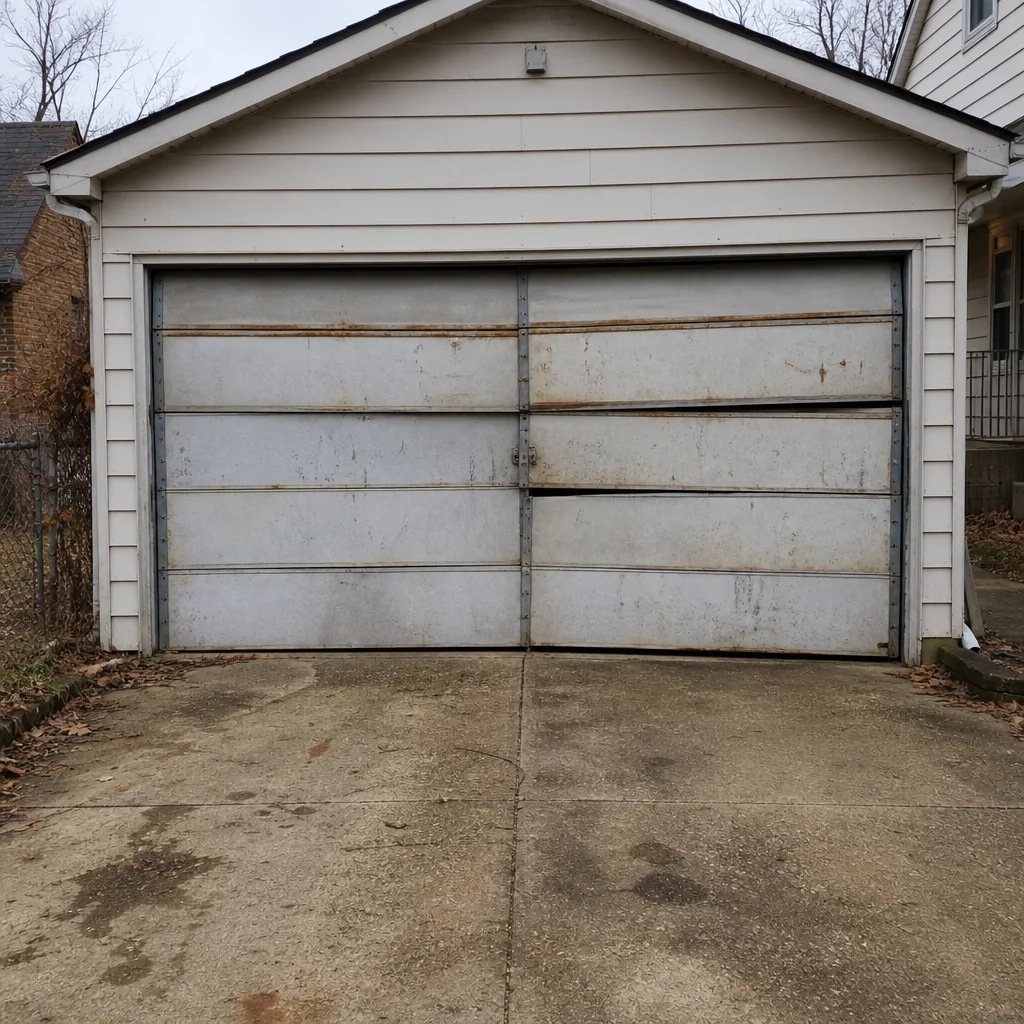 Before
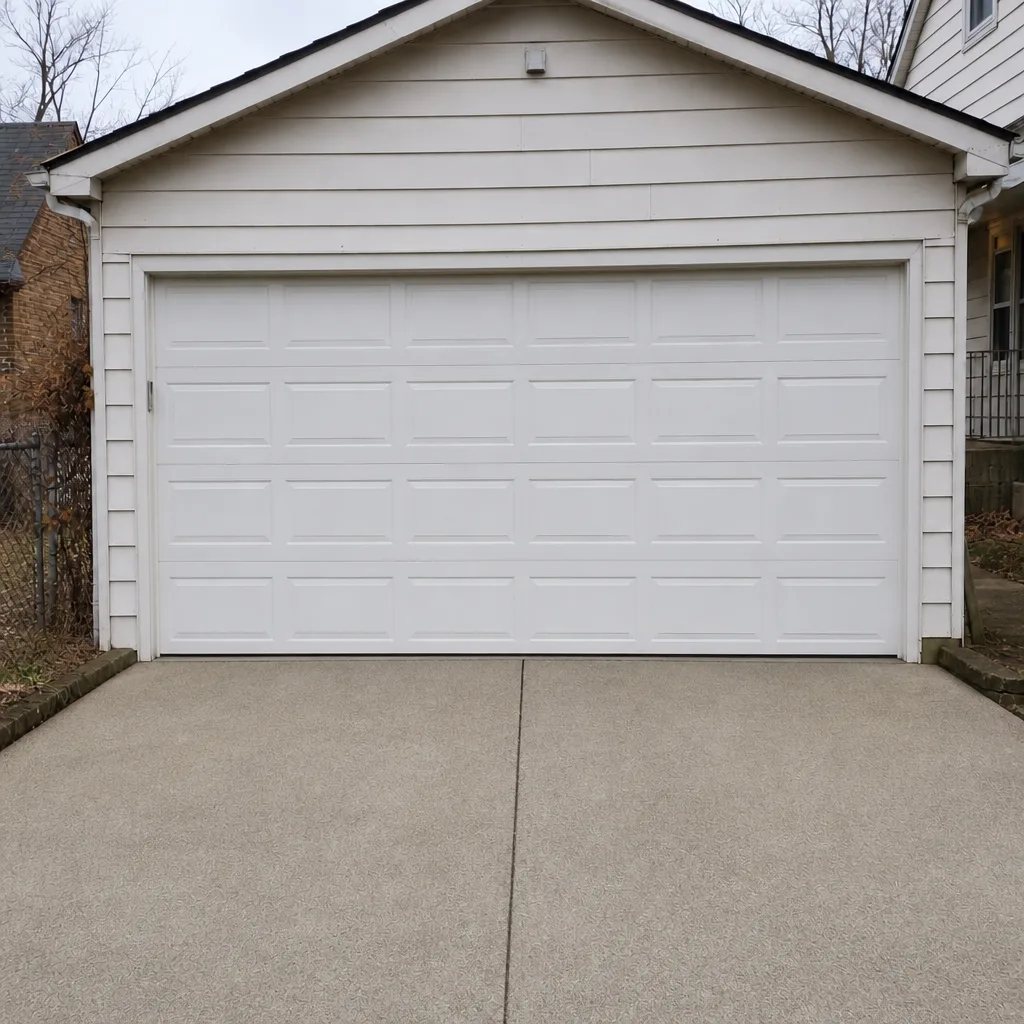 After
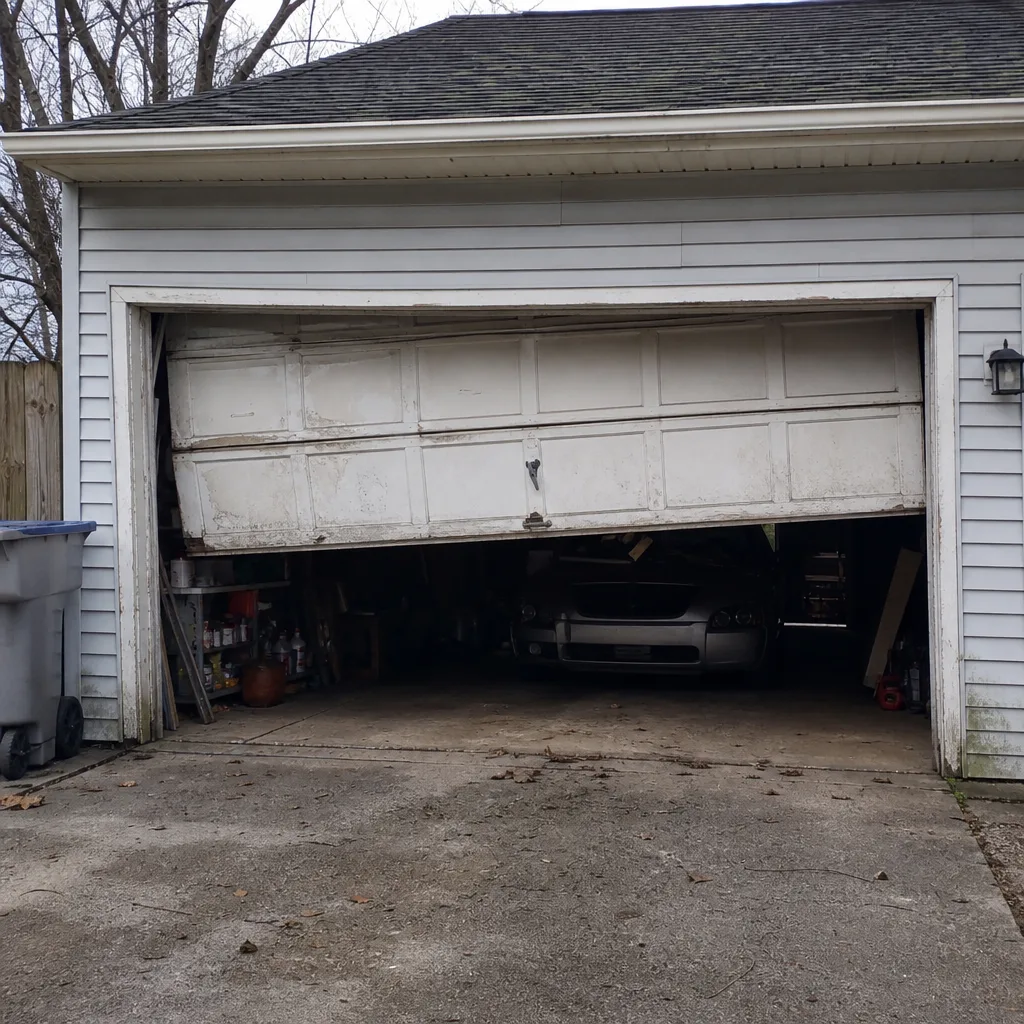 Before
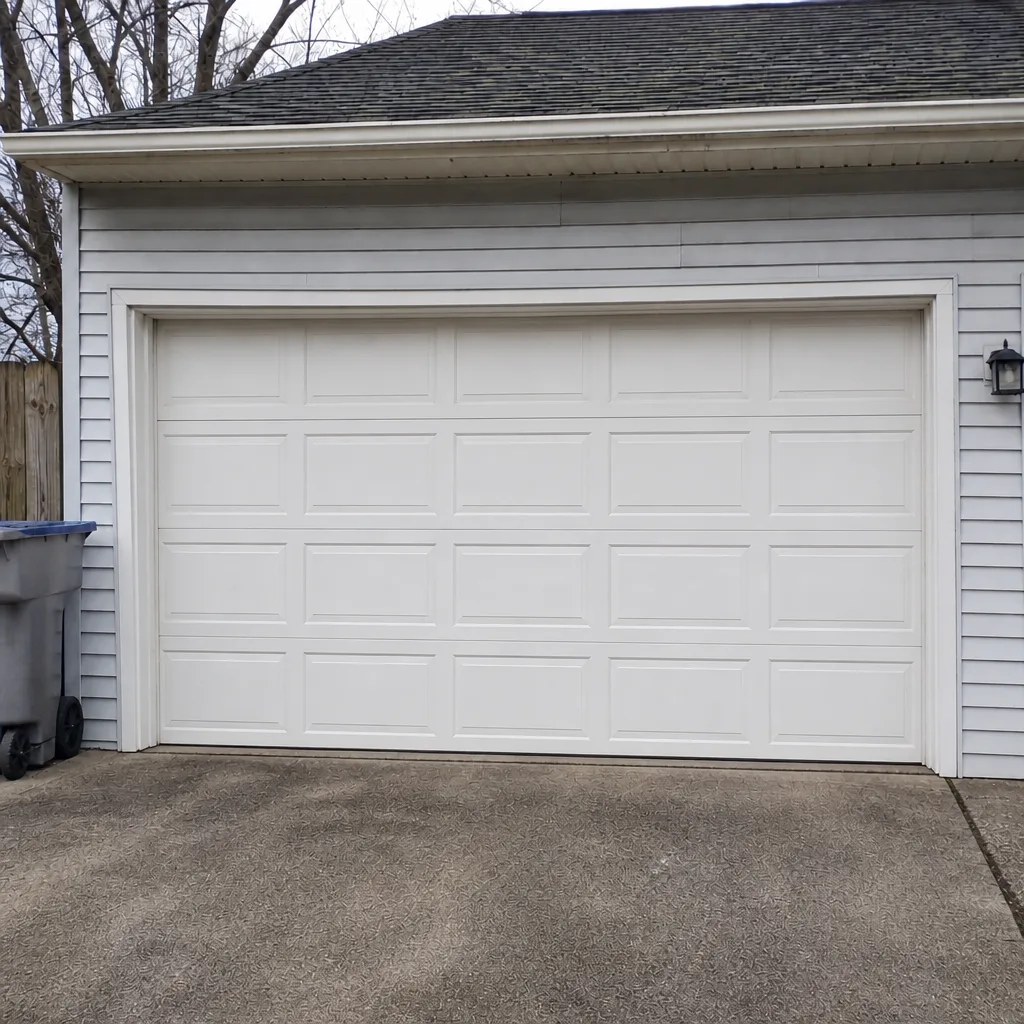 After
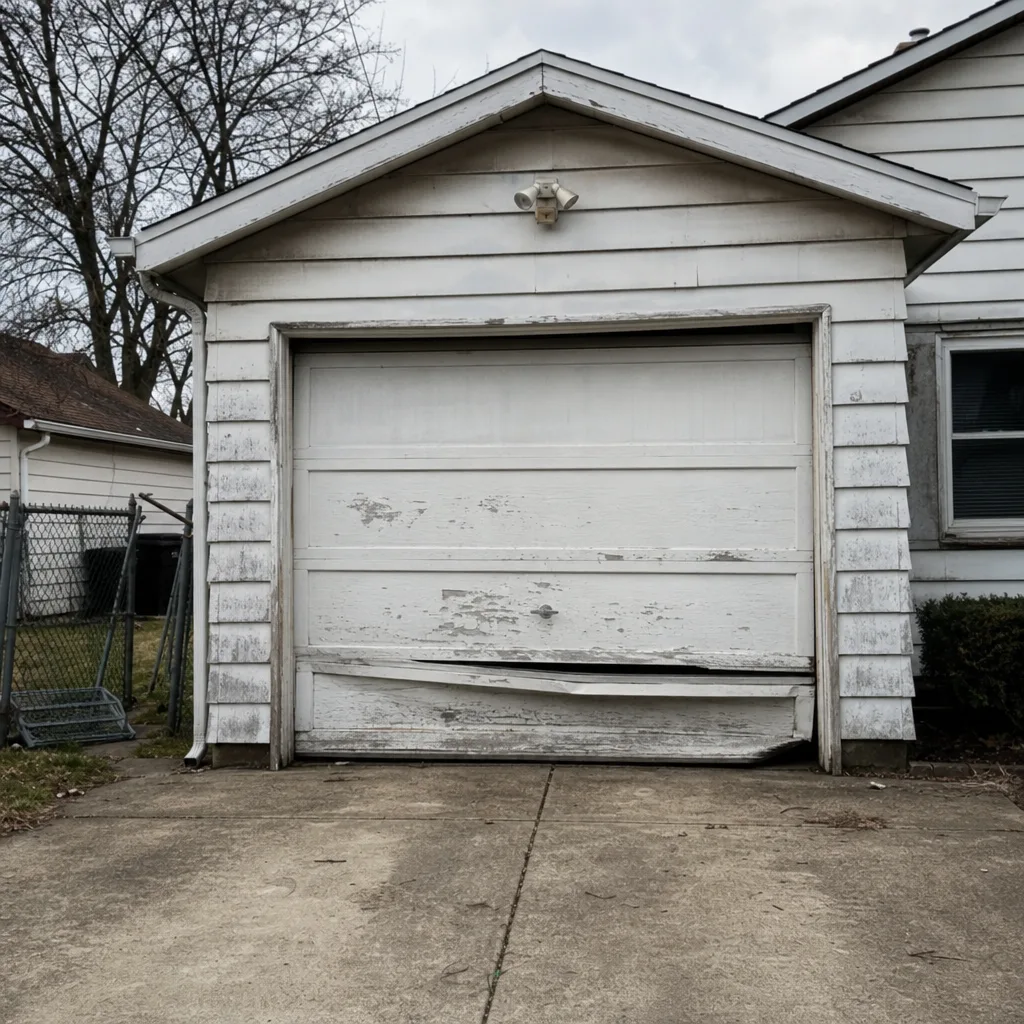 Before
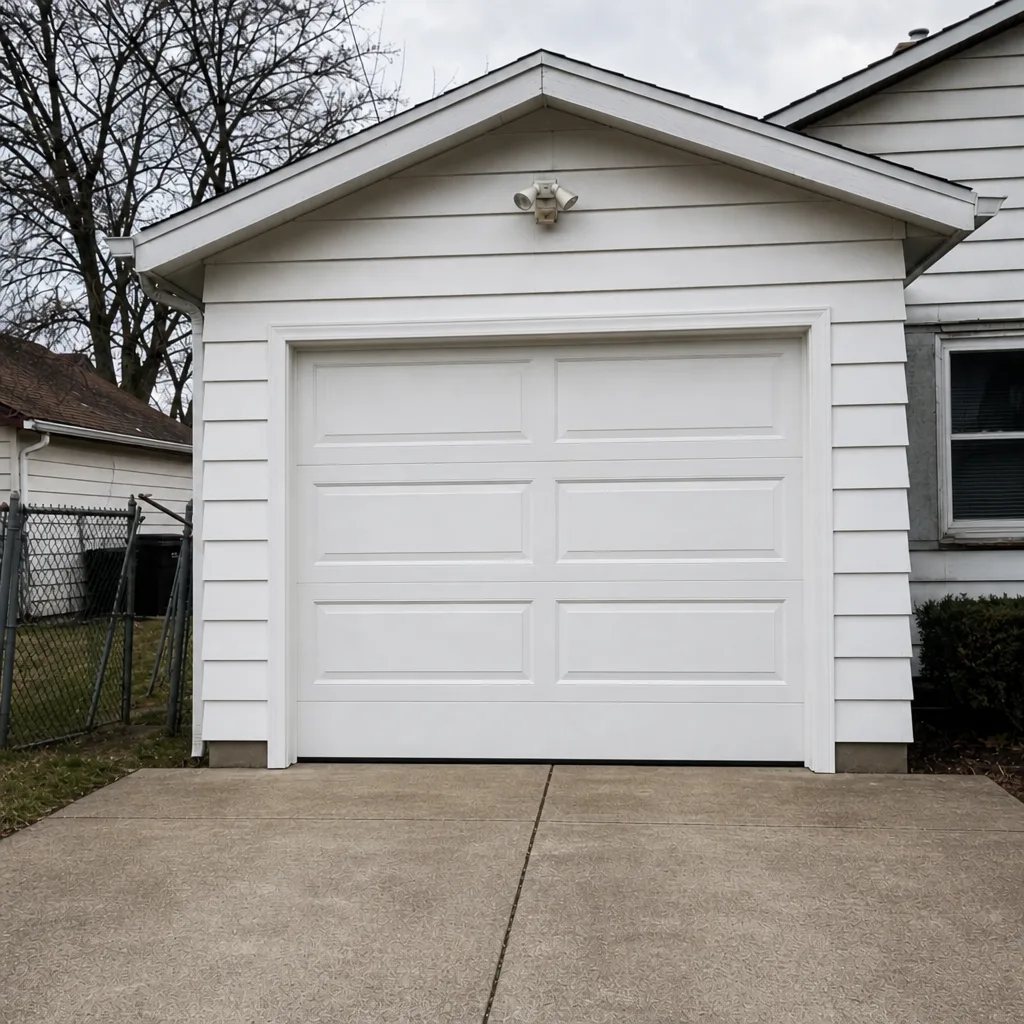 After
When to Call a Professional
Call a technician when the door won’t stay in place halfway up, when the spring has failed (you’ll hear a bang and the door won’t lift), when a cable looks frayed or the door is off its track, or when the opener reverses for no reason or won’t close. Call if a storm has bent a panel or jammed the track, and call if you’ve adjusted the opener’s force setting more than once and it’s still not right. Don’t force a door that’s frozen or jammed; the repair cost goes up with the damage. Garage Door Repair Mount Washington offers free estimates in Mount Washington and same-day response from 7am to 7pm when your door won’t move. Call (866) 565-4809 and describe what the door is doing. Every price is quoted and agreed before any work starts.
Frequently Asked Questions
Check the bottom seal and side weatherstripping for cracks, look at the cables for fraying, tighten loose hinge screws, lubricate rollers and hinges with cold-rated lubricant, test the door’s balance, and test the opener’s safety reverse. That set of checks prevents the most common cold-weather failures. Call (866) 565-4809 for an exact quote if your inspection turns up a repair – estimates are free.
A tune-up typically runs $75 to $150 depending on the door and what’s included. The written estimate sets the final price, and that estimate is quoted and agreed before any work starts, so there’s no surprise after the fact. Call (866) 565-4809 for an exact quote on your door.
Spring repair typically runs $180 to $340 for one spring, and because springs are usually replaced as a matched pair, a pair costs about twice that. The written estimate sets the final price. Spring work is safety-critical and should only be done by a trained technician with the right tooling. Call (866) 565-4809 for an exact quote – estimates are free.
Yes, a door that won’t close is a safety and security situation, and we offer same-day emergency service with response from 7am to 7pm. Describe what the door is doing when you call, because it helps us diagnose faster and arrive better prepared. Call (866) 565-4809 and we’ll get you on the schedule.
No. The written estimate is quoted and agreed before any work starts, and that’s the price. If a technician finds something additional, you’ll get a revised estimate to approve before any extra work begins. Call (866) 565-4809 for a free estimate.
Yes. We adjust the down-force setting only as far as needed to let the door close smoothly on a properly balanced door, then retest the safety reverse with an object in the path. The setting is a safety device and we tune it to the door, not past it. Call (866) 565-4809 if your door reverses for no reason – estimates are free.
The Bottom Line
Seasonal garage door care in Mount Washington is really one idea: address each quarter’s stress before it becomes next quarter’s repair. October is the inspection that prevents freeze failures. Winter is about keeping the door moving and never touching a spring. Spring is the tune-up that catches what winter stressed. Summer is seals, wood joints, and opener electronics. That calendar, plus a properly tuned opener and a storm-ready approach, is what separates a door that lasts from one that fails every season. Our technicians have up to 9 years of experience and know the major brands, from Raynor doors to LiftMaster and Genie openers. One call covers the door and the opener. When your door needs attention, call Garage Door Repair Mount Washington at (866) 565-4809 for a free estimate, and we’ll quote the price before any work starts.
Written by the team at Garage Door Repair Mount Washington.