Last updated November 20, 2026
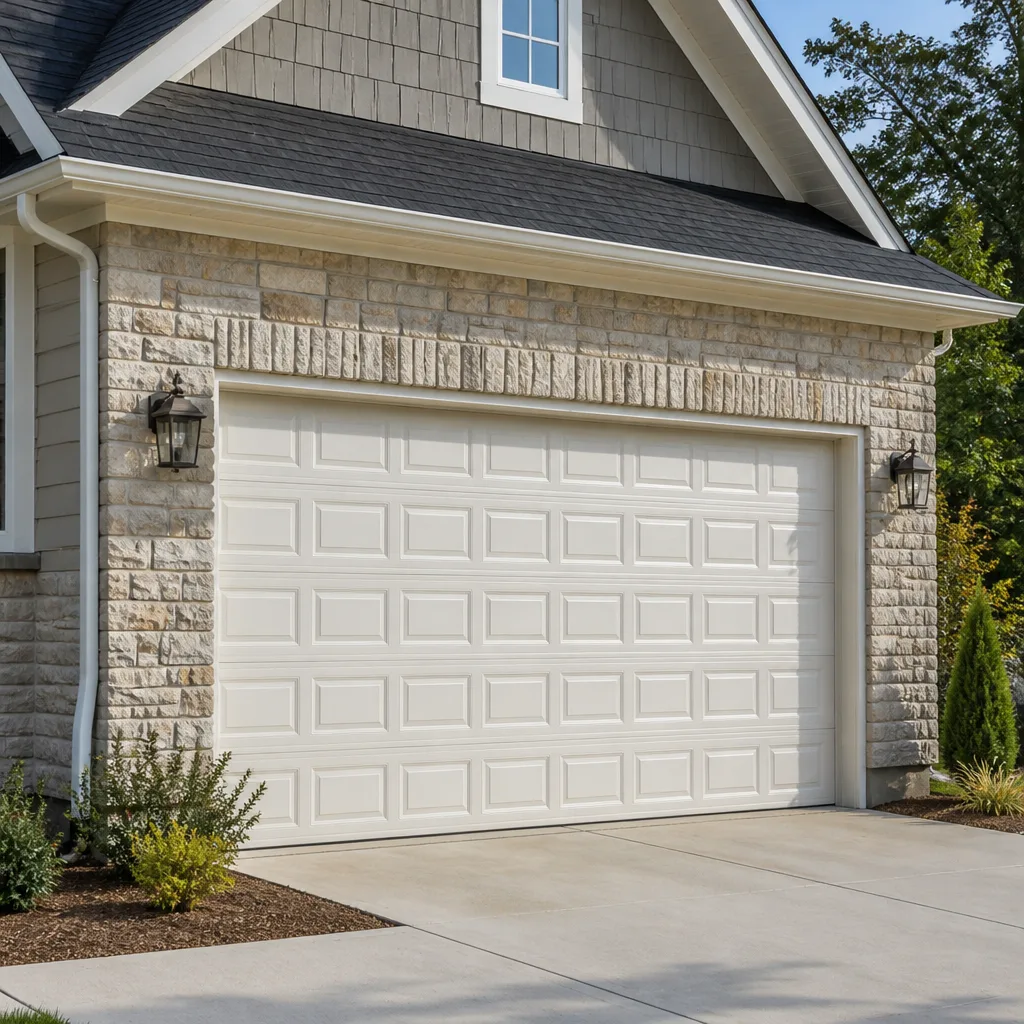 Raised-panel steel
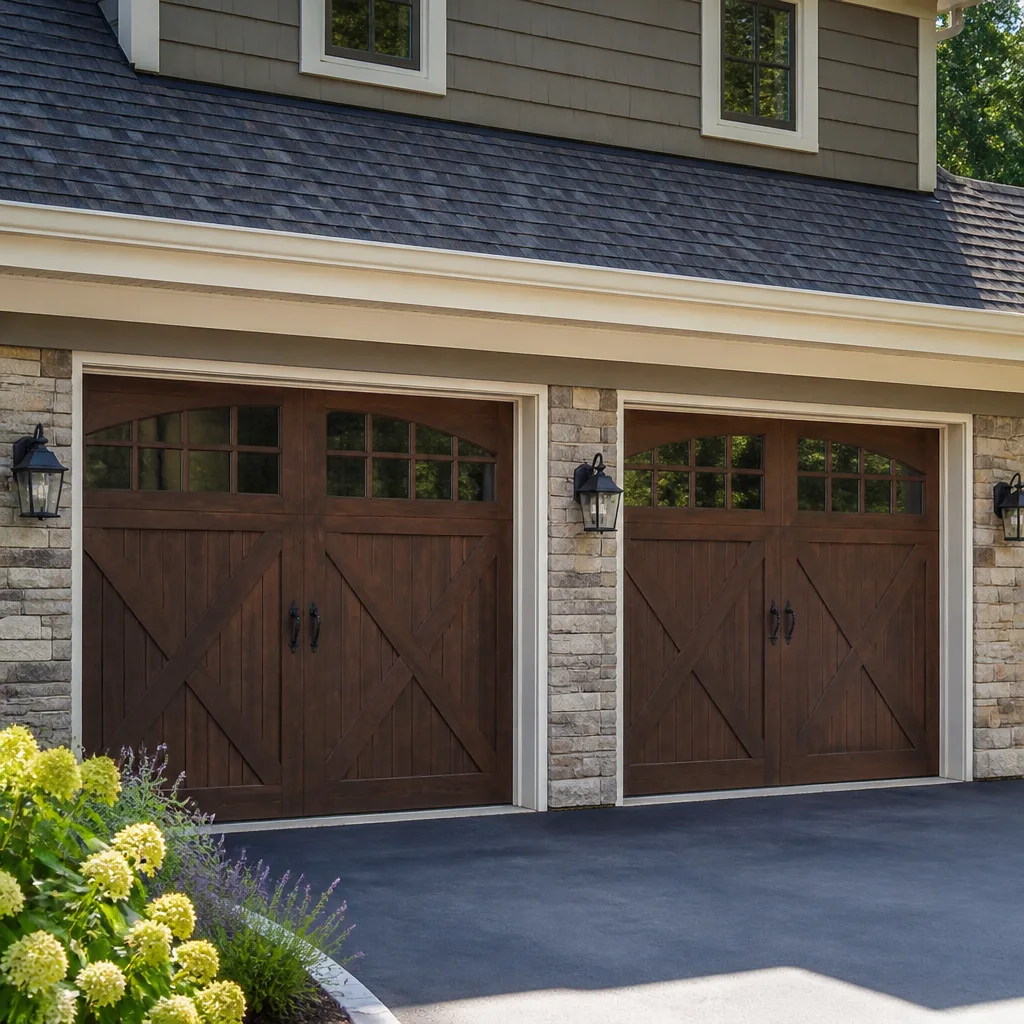 Carriage house
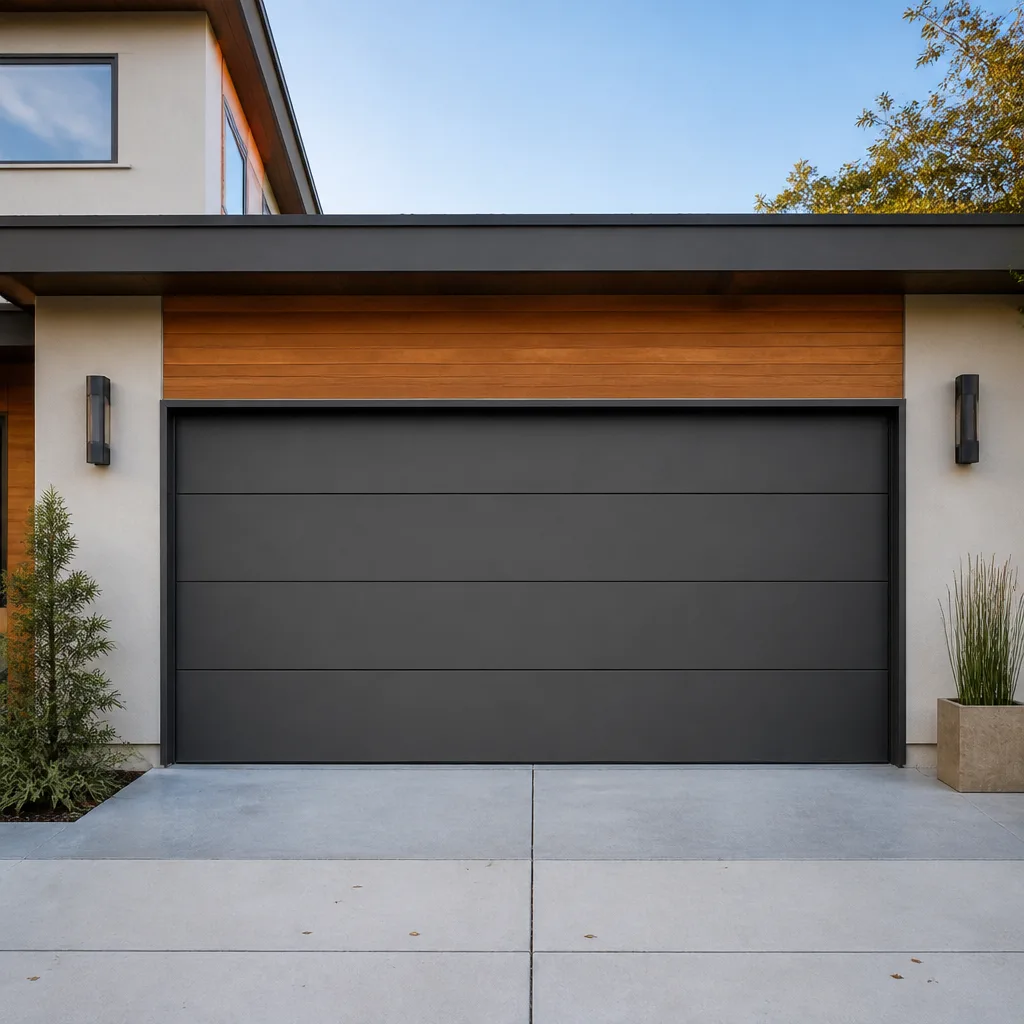 Modern flush
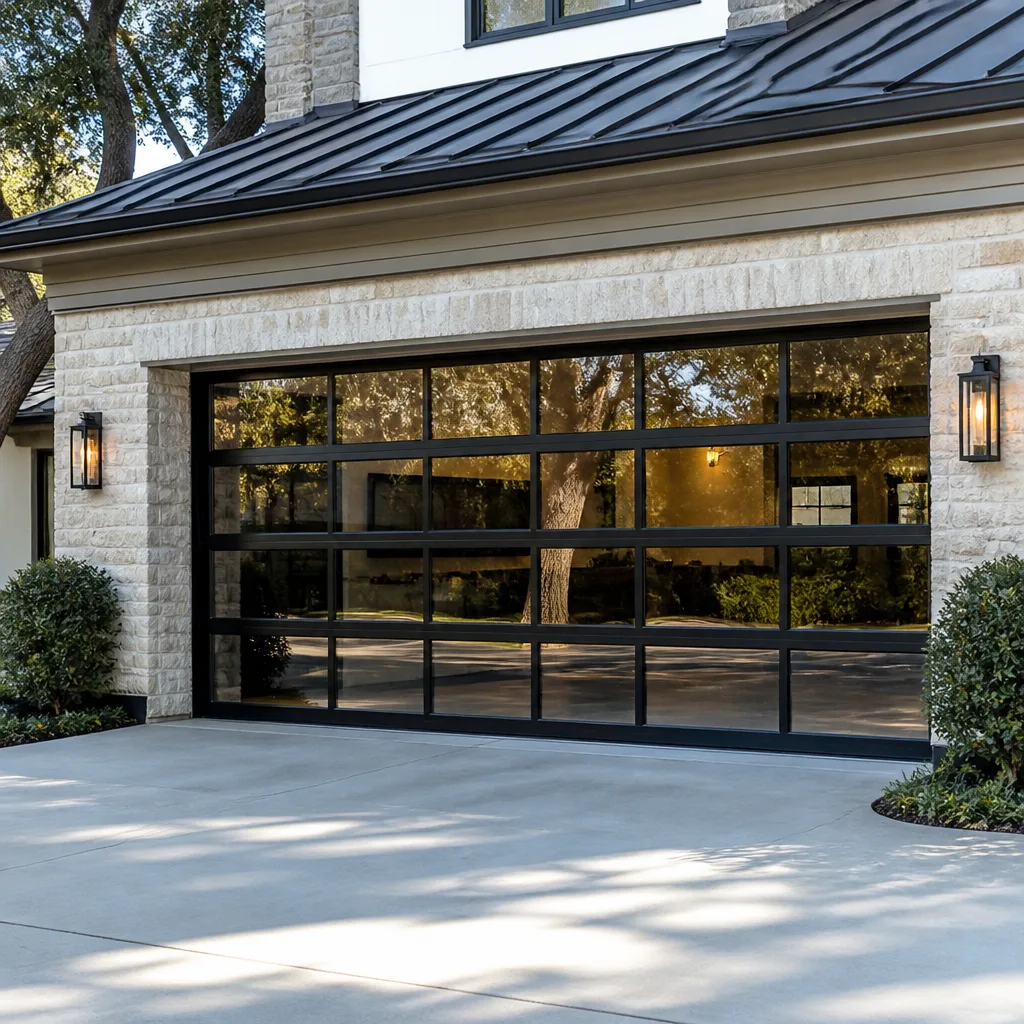 Full-view glass
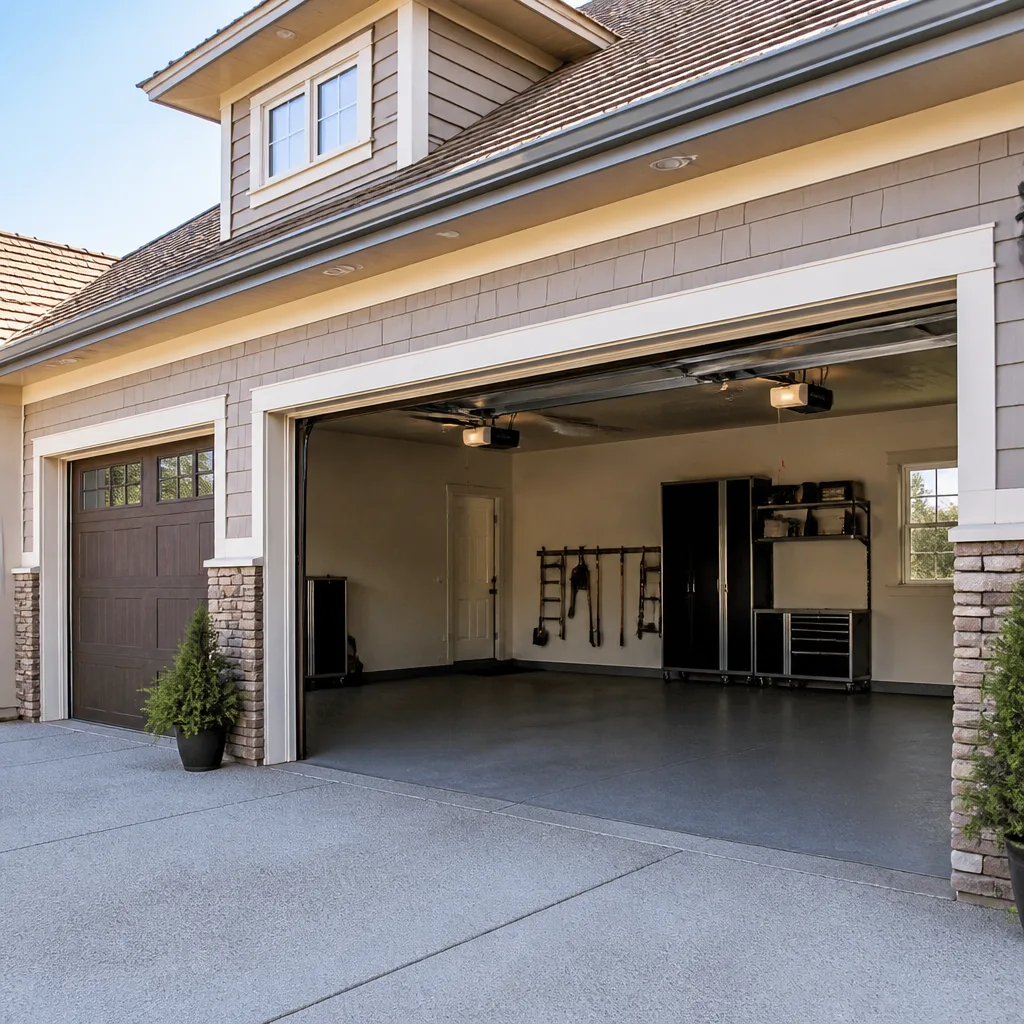 LiftMaster openers
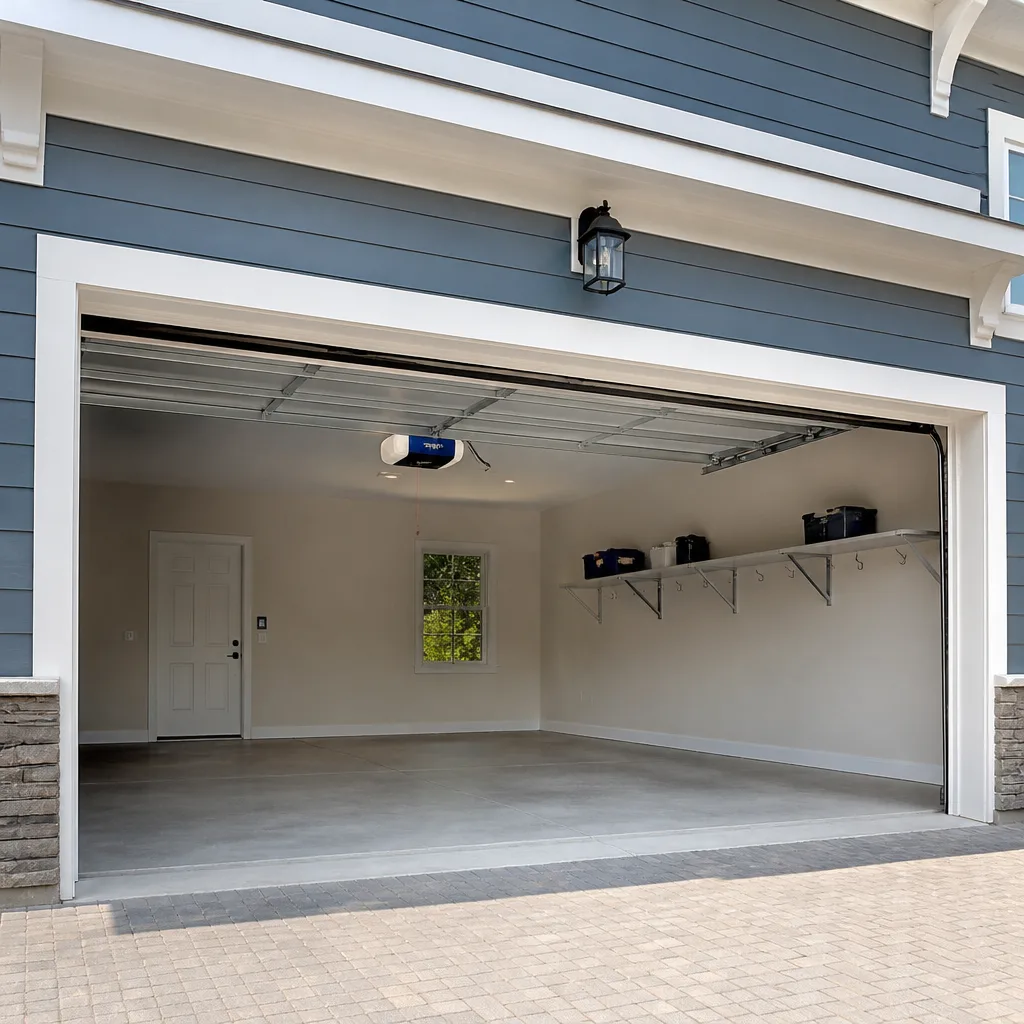 Chamberlain openers
Full 25-point door and opener safety check with every visit - springs, cables, rollers, tracks, and your LiftMaster or Chamberlain opener included
You get a price before we start. It does not change when the pro arrives.
Get your free estimateThe Complete Guide to Garage Doors in Mount Washington
Most garage door advice assumes a house built with modern clearances in mind. In Mount Washington, that assumption falls apart fast. A large share of the neighborhood’s homes went up before low-headroom garage door hardware existed, and many sit on hillside lots where the driveway slope and the garage ceiling height were never planned around a modern door. What looks like a standard replacement can turn into a custom build the moment someone measures the opening honestly. This guide covers what actually matters for Mount Washington garages: how hillside grades and tight structures change sizing and opener torque, which materials survive Cincinnati-area humidity swings and road salt, why low-headroom and high-headroom track setups matter for pre-1980s structures, and how to read a spec sheet against your real opening instead of a “standard” dimension.
Quick Answer
Garage doors in Mount Washington need to be measured against the actual opening before anything is ordered, because the older housing stock and hillside lots here frequently fall outside standard dimensions and headroom. Door sizing, track configuration, and opener torque all hinge on that first measurement. A free measure and a written quote tell you what you’re actually working with before you commit to a purchase.
Styles & brands we work with
- Raised-panel steel
- Carriage house
- Modern flush
- Full-view glass
- LiftMaster openers
- Chamberlain openers
Table of Contents
- Why Mount Washington’s Housing Stock Changes Everything
- How Hillside Driveways Affect Door Sizing and Opener Torque
- Which Door Materials Hold Up to Cincinnati-Area Weather
- Low-Headroom vs. High-Headroom Track Configurations
- How to Read a Garage Door Spec Sheet
- What “Needs a Site Visit” Actually Means
- Repair or Replace? A Straightforward Framework
- Springs, Cables, and Safety
Why Mount Washington’s Housing Stock Changes Everything
A significant portion of Mount Washington homes were built before low-headroom garage door hardware existed. That single fact reshapes how you approach any door project. Builders in those decades didn’t anticipate torsion springs tucked tight to the ceiling, high-lift tracks, or the headroom demands of a modern belt-drive opener. They built garages to fit cars of the era, with shallow ceilings and openings sized by whatever lumber was on hand.
What this means in practice: the phrase “standard size” is close to meaningless in much of Mount Washington. Openings vary from one block to the next, and sometimes from one house to the one next door, because grading and lot shape dictated how each garage was framed. When we quote a job here, the measurement comes first and the product comes second. Not the other way around.
Three things tend to go wrong when a homeowner skips that step:
- The ordered door arrives a few inches too wide or too short for the framed opening, and the return freight and restocking sit on the homeowner’s side of the invoice.
- The opener gets sized for a “normal” door weight when the actual door is heavier, and the motor strains from day one.
- The track layout assumes ceiling height the garage doesn’t have, so the door never fully clears the header.
None of those are exotic failures. They’re routine when someone buys off a catalog dimension instead of a tape measure. If you want the general service overview, our Garage Door Repair Mount Washington page covers the full scope of what we handle on doors and openers.
How Hillside Driveways Affect Door Sizing and Opener Torque
Mount Washington’s hillside lots mean many driveways approach the garage at an angle or a steep grade. That matters more than most buying guides let on. A driveway that pitches down toward the door changes how the bottom seal meets the floor and how water behaves during a heavy rain. A driveway that climbs steeply to the opening changes how you measure the usable clear height, because the car’s approach angle eats into the space the door needs to clear.
What the grade changes
- Bottom seal contact: On a sloped apron, a door that looks level at the header can leave a gap at one corner of the floor. The seal has to meet an uneven surface, and that affects weatherproofing and pest exclusion.
- Usable clear height: The steepness of the approach decides how much vertical clearance a vehicle actually needs before the roof line reaches the door.
- Opener torque demand: A heavier door working against a slope-assisted or slope-resistant track load draws more from the motor. Undersized openers burn out faster on these setups.
Torque and opener sizing
Opener torque isn’t a spec you can guess. It depends on door weight, door material, spring tension, and how the door travels on its track. On a hillside Mount Washington garage with a heavier wood or insulated door, a motor sized for a light steel panel door will work harder on every cycle. We match the opener to the door that’s actually there, not to a generic recommendation on a box. That’s part of why we work on the brand you already have, from Amarr to Wayne Dalton, so the diagnosis and the parts match the system in front of us.
Which Door Materials Hold Up to Cincinnati-Area Weather
Cincinnati’s humidity swings are the real test for any garage door in Mount Washington. Summers run humid enough to swell wood and stress paint films, and winters bring freeze-thaw cycles plus road salt tracked up from the main roads onto hillside access drives. A door that performs fine in a dry climate can show its limits here within a few seasons.
Steel
Steel is the most common choice for good reason. It holds paint well, resists the humidity swings better than raw wood, and insulated steel panels handle temperature separation. The weak point is the bottom edge and any scratch that breaks the finish, where road salt and moisture start the rust process. Keeping the bottom seal intact and touching up nicks matters more here than in drier markets.
Aluminum
Aluminum resists rust better than steel and weighs less, which takes strain off the opener. It dents more easily, so it suits low-traffic garages better than ones used daily.
Wood and wood-composite
Wood looks right on many older Mount Washington homes and can be refinished to match the house. It also demands the most upkeep in this climate: annual sealing, prompt repair of any swelling at the bottom rail, and attention to the joints where moisture collects.
Fiberglass and vinyl
These resist moisture and salt well and need little finishing. Color options are limited, and some composite panels can fade over years of sun exposure.
For a material-to-condition match, the practical ranking in Mount Washington tends to run insulated steel first for daily-use garages, aluminum for lighter use, and wood where the house’s architecture calls for it and the owner is ready to maintain it. A free measure is the moment to talk through which one fits your opening and your upkeep tolerance.
Low-Headroom vs. High-Headroom Track Configurations
Headroom is the distance from the top of the door to the ceiling, and in a pre-1980s Mount Washington garage it’s often the constraint that decides the whole project. Standard track assumes a certain amount of space above the door for the door to travel up and back. When that space isn’t there, the track has to change, not the door.
Low-headroom setups
Low-headroom track uses a tighter radius and a different spring placement so the door can operate in a shallow garage. Many older Mount Washington structures need this because the ceiling sits close to the header. The upside is that a low-headroom conversion can make a usable garage out of a space that otherwise couldn’t take a modern door. The catch is that it’s a specific configuration, not a default, and it has to be measured and specified correctly.
High-lift and standard-lift setups
Where there’s generous ceiling height, high-lift track raises the door closer to the ceiling so it clears more of the opening. That’s useful on a garage with tall vehicles or a workshop setup. Standard-lift is the middle ground most garages use.
Why the distinction matters for older structures
- Measure the headroom first, at the tightest point, not the average.
- Measure the side room on each side of the opening.
- Measure the back room, the distance from the door to the back wall.
- Match the track configuration to those three numbers before choosing a door.
Skip any one of those and the door may fit the opening but not the garage. For a full breakdown of how installation decisions get made, our garage door installation page walks through the process.
How to Read a Garage Door Spec Sheet
A spec sheet is only useful if you read it against your actual opening. The sheet lists nominal dimensions; your garage has real ones. Here’s how to line them up.
- Width and height: Measure the finished opening, not the rough framing. Compare it to the door’s listed size plus the necessary clearance on each side.
- Headroom requirement: The sheet states how much space above the door the track needs. Compare it to your tightest ceiling measurement.
- Sideroom requirement: The sheet lists clearance needed beside the opening for the track and springs. Measure both sides.
- Backroom requirement: The sheet states how far back the door travels. Check it against the distance to your back wall.
- Weight: The listed door weight determines spring and opener sizing. Heavier doors need matched springs and a motor rated for the load.
- Wind load and insulation rating: These affect performance and comfort but not fit. Read them after the fit numbers.
When a sheet says “standard,” it’s describing a nominal size, not your garage. The measurement that matters is the one taken in your own opening. Raynor and Craftsman both publish detailed spec sheets, and they’re only as good as the tape measure you compare them to.
What “Needs a Site Visit” Actually Means
When a local contractor says a job needs a site visit before quoting, they mean the measurements and conditions can’t be captured over the phone or from a photo. In Mount Washington, that’s common rather than exceptional. The hillside lots, the older structures, and the tight clearances all create variables that a phone conversation can’t resolve.
What gets checked on a site visit
- Actual opening dimensions at the tightest point
- Headroom, sideroom, and backroom
- Driveway grade and how water drains at the threshold
- Track condition and whether the existing hardware can be reused
- Opener compatibility with the door being considered
- Whether the existing springs are matched to the door’s real weight
A site visit isn’t a sales tactic. It’s the step that keeps a quote from turning into a surprise. After the measure, you get a written estimate that sets the final price. The price is quoted and agreed before any work starts, and the written estimate is the number that holds. If you’ve got a door that won’t move or a spring that’s given out, that’s a different situation and our garage door repair service handles it as an urgent call. Installation and replacement are measured, ordered, and scheduled, so those start with a free measure and a written price rather than a same-day promise.
Repair or Replace? A Straightforward Framework
The repair-versus-replace decision in Mount Washington comes down to age, structural condition, and whether the door still fits the opening. Here’s a practical way to think about it.
Lean toward repair when
- The door is structurally sound and the problem is mechanical: springs, cables, rollers, or the opener
- The panels are intact and the track is straight
- The weather seal is the only failing part
- The opener is the issue and the door itself is fine
Lean toward replacement when
- The door is significantly out of square or the panels are warped or rusted through
- The track is bent beyond a reasonable fix
- The existing door’s size or configuration doesn’t actually fit the opening well, which is common in older Mount Washington garages
- The door is heavy and outdated and its springs and opener can’t be safely matched to it
Either way, the decision is easier once someone measures and inspects. The common mistake is replacing a door that only needed springs, or sinking money into repairs on a door that was never the right fit for the garage in the first place.
Springs, Cables, and Safety
Springs and cables are the parts of a garage door system that can seriously hurt someone. A torsion spring carries stored energy under high tension, and a cable under load can snap without warning. We don’t publish step-by-step instructions for working on them, and no responsible guide should. This is work for a trained professional with the right tools, full stop.
What you can do safely is recognize the signs that something’s wrong:
- A loud bang from the garage, followed by a door that won’t lift
- A visible gap in a torsion spring
- A door that feels unusually heavy when you try to lift it by hand
- Cables that look frayed, kinked, or off their drum
- A door that lifts crooked or slams down
If you see any of those, stop operating the door and call for service rather than trying to force it. Spring repair is a service we offer specifically because it’s demanding and risky, and it’s one many generalists won’t touch. The same caution applies to opener wiring and anything involving the electrical connection. For motor, remote, or smart-control issues, our garage door opener repair service covers the electronic side so one call handles both the door and the opener.
Common Mistakes to Avoid
- Ordering a door before measuring the opening. “Standard” doesn’t exist in much of Mount Washington’s older housing stock. Measure first, order second, or the return freight is yours.
- Ignoring headroom on a pre-1980s garage. A door that fits the width can still fail to operate if the ceiling is too low for the track configuration. Check headroom, sideroom, and backroom together.
- Matching the opener to the box label instead of the door. A heavier door on a hillside drive needs a motor sized for the actual load. Undersized openers fail early.
- Choosing material for looks alone. Wood looks right on many Mount Washington homes but needs annual sealing here. Insulated steel is easier to live with in this climate if upkeep isn’t your thing.
- Assuming a phone quote covers the job. When a contractor says a site visit is needed, it’s because the measurements can’t be taken remotely. Take the visit, then accept the written estimate.
- Forcing a door with a broken spring. That’s how people get hurt. Stop operating it and call a professional.
- Treating a hillside driveway as a detail. Grade affects seal contact, clear height, and opener strain. It belongs in the plan from the start.
See the difference
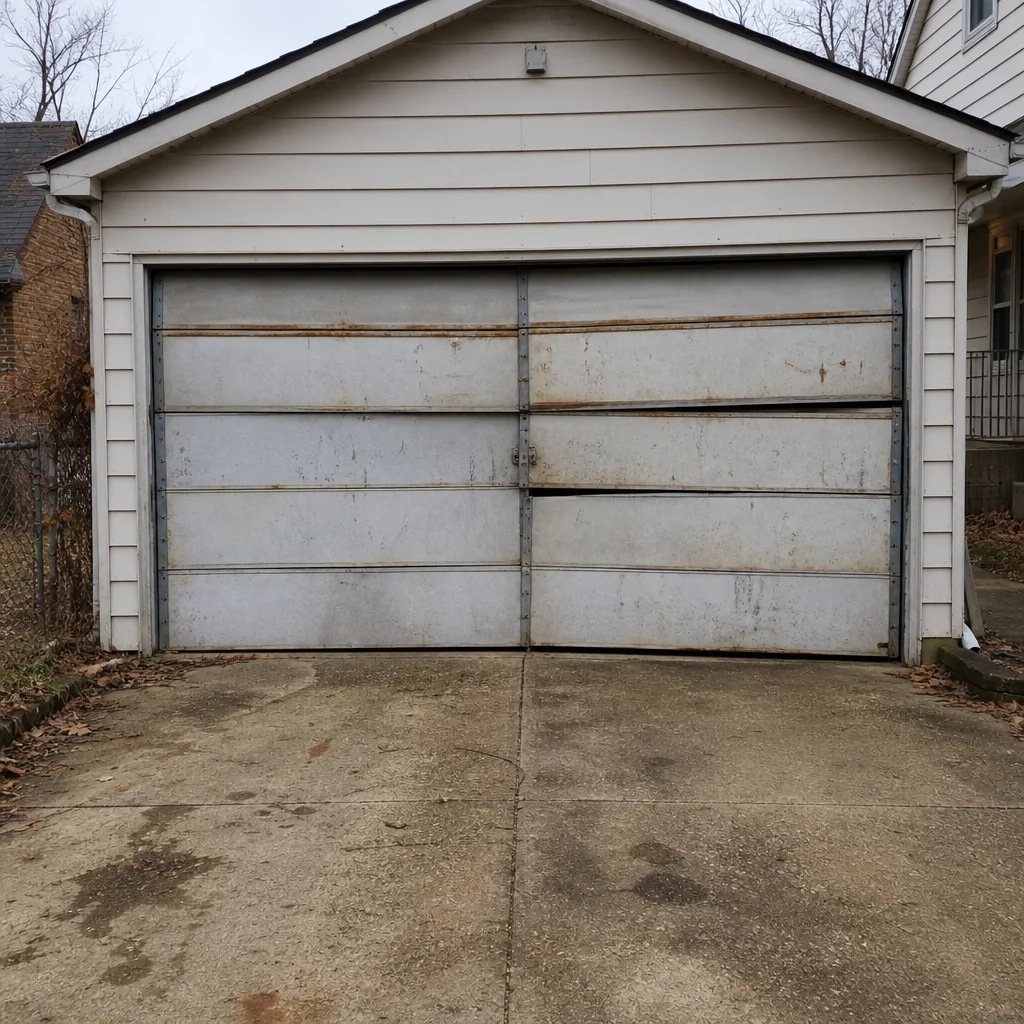 Before
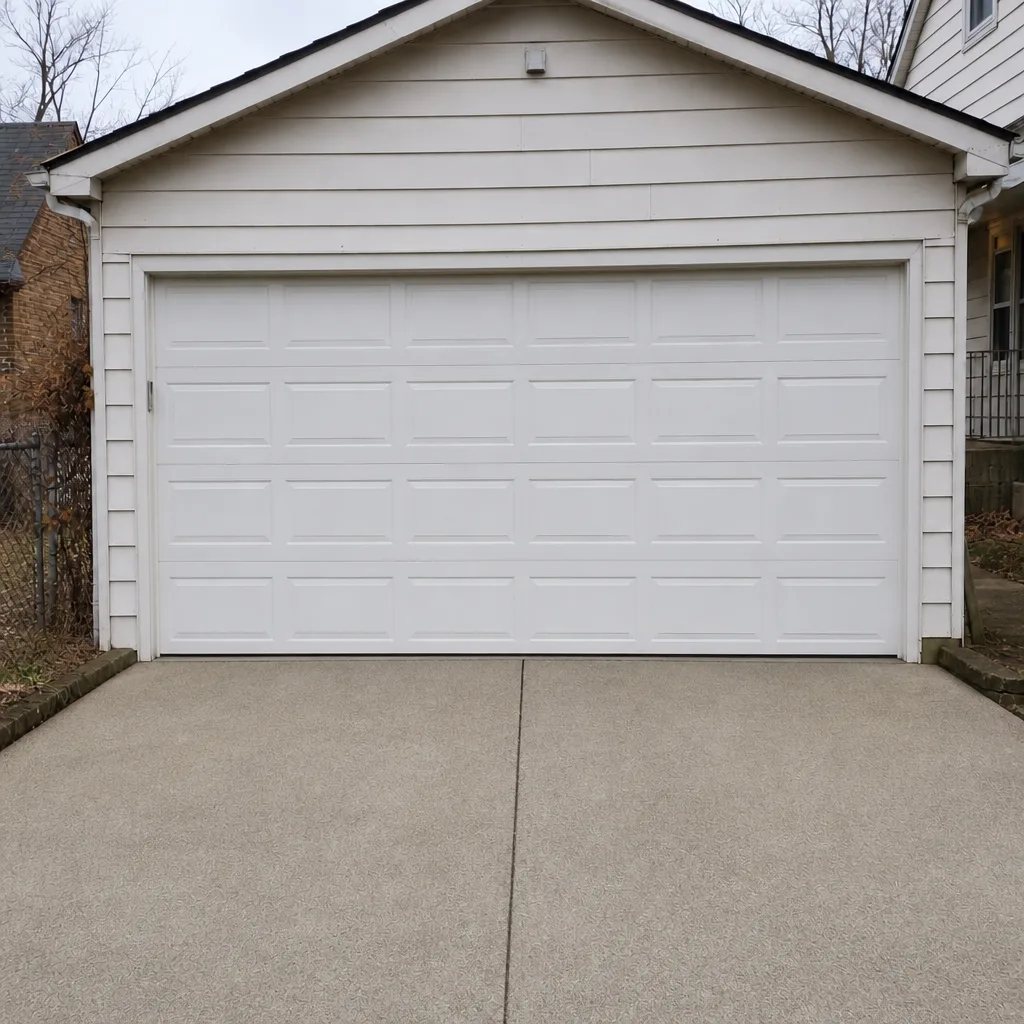 After
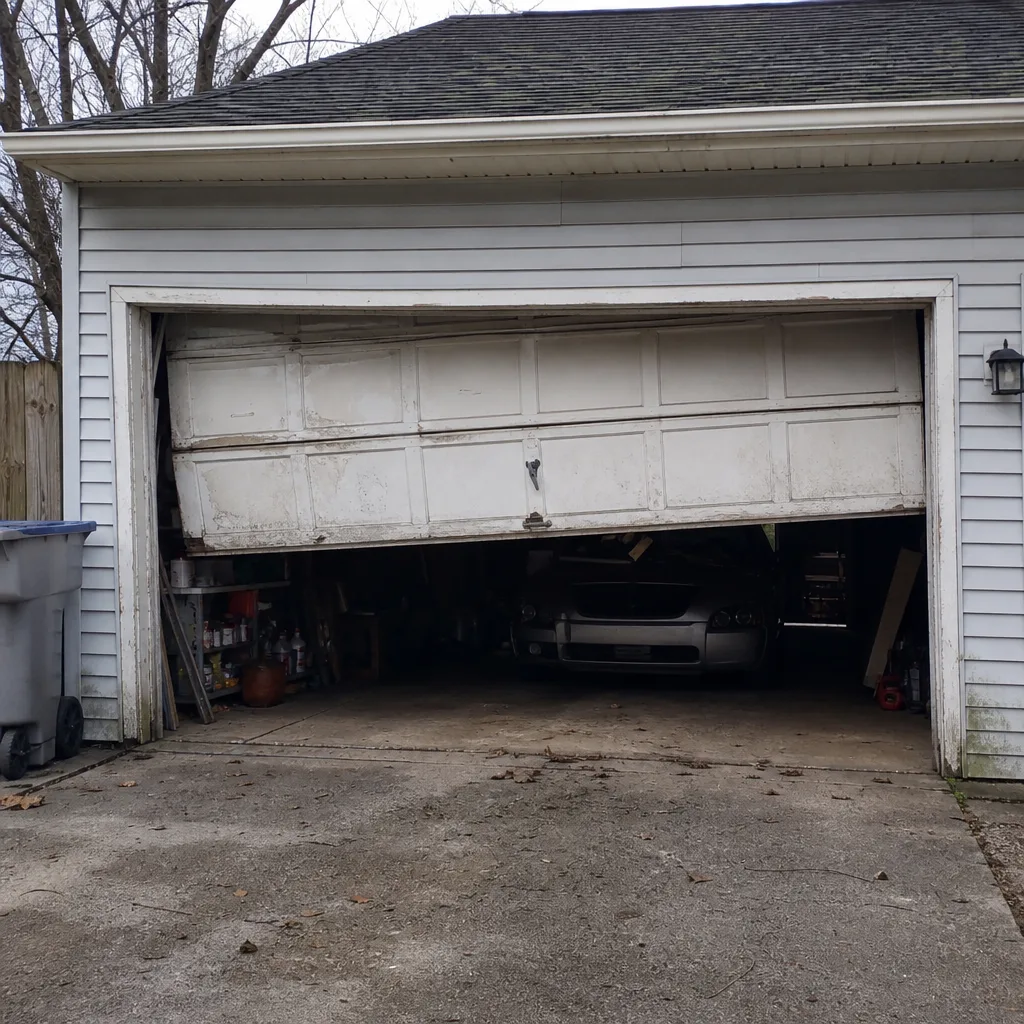 Before
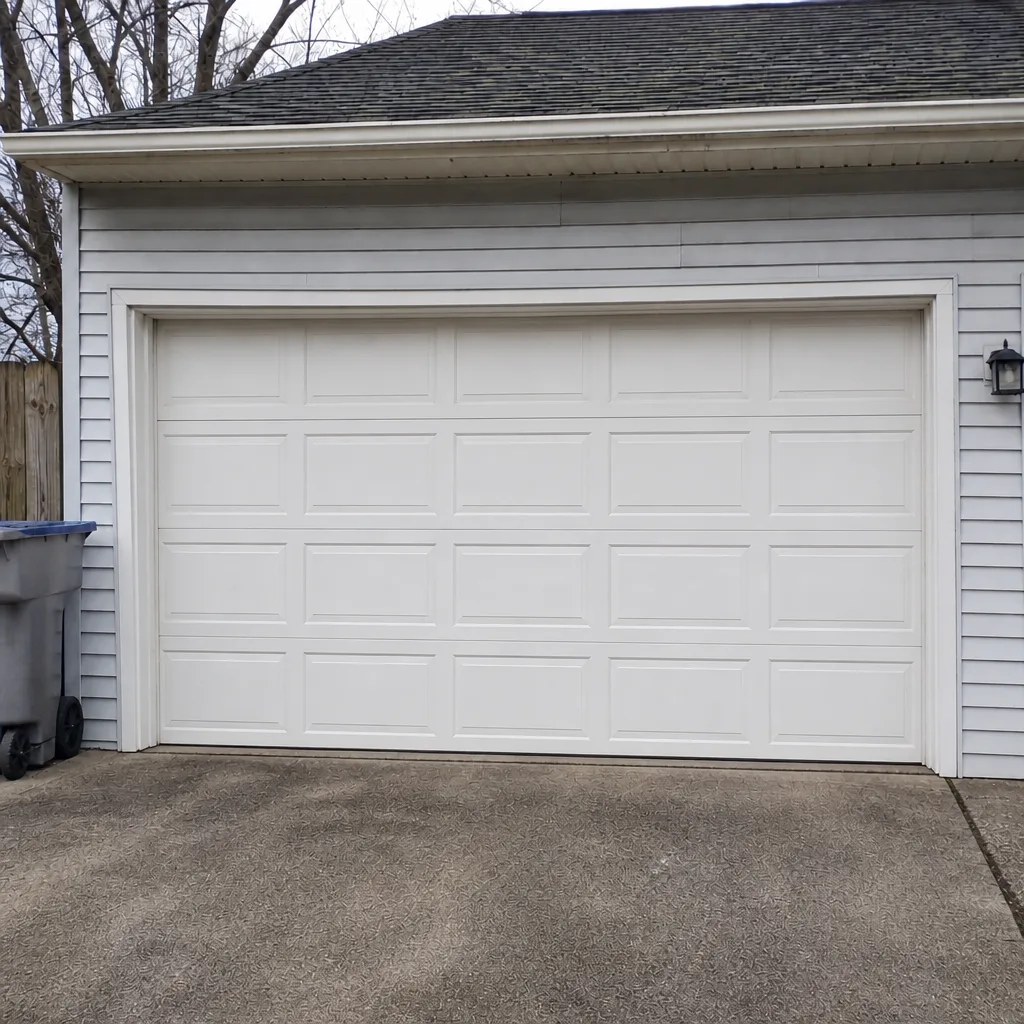 After
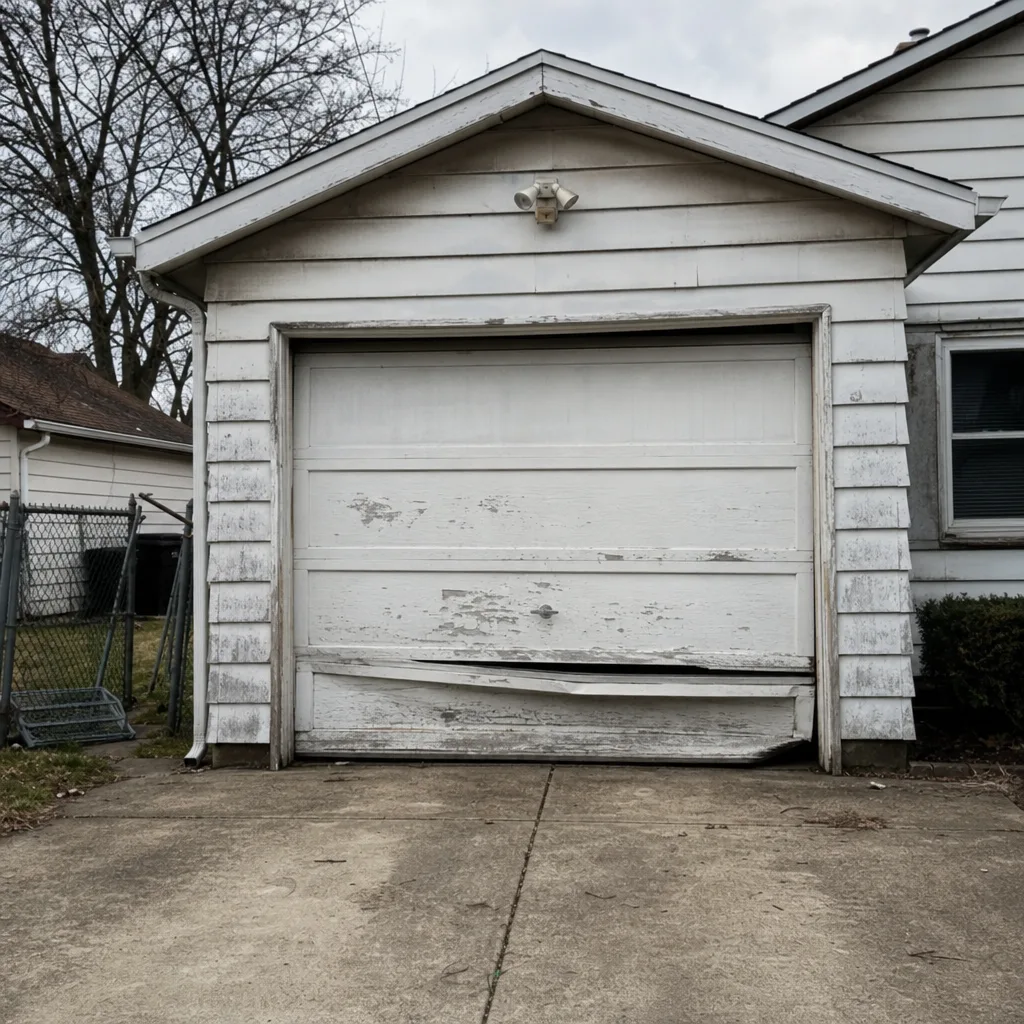 Before
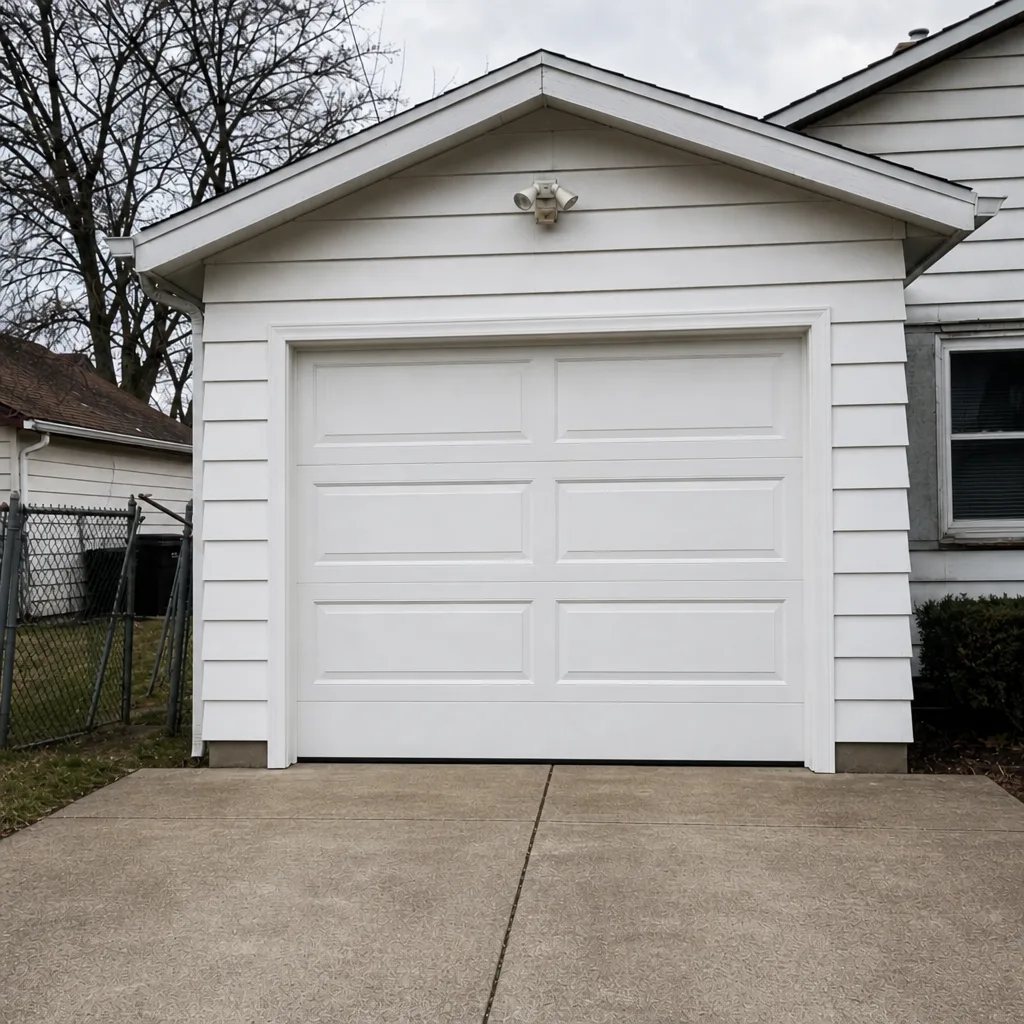 After
When to Call a Professional
Call a professional when a spring breaks, a cable snaps, the door comes off its track, or the door won’t open or close at all. Also call when the opener runs but the door doesn’t move, when the door reverses for no reason, or when you’re planning a replacement and need the opening measured before you buy. Springs and cables are genuinely dangerous; don’t attempt them yourself. Garage Door Repair Mount Washington offers free estimates in Mount Washington and serves the surrounding area. Our technicians have up to 9 years of experience, we’re factory-familiar with the leading residential brands, and one call covers the door and the opener. Call (866) 565-4809 to set up a free estimate.
Frequently Asked Questions
Repair costs in Mount Washington depend on the part and the door. Spring repair, opener repair, and track or roller work each carry their own range, and a hillside lot or an older structure can add time to the job. The written estimate you get after the measure sets the final price, and it’s quoted and agreed before any work starts. Call (866) 565-4809 for an exact quote; estimates are free.
Yes, for urgent failures. A door that won’t open, won’t close, has a broken spring, or is off track is an emergency call, and we offer same-day emergency service for exactly those situations. Call (866) 565-4809 and we’ll get a technician out. For installation and replacement, the work is measured, ordered, and scheduled, so that starts with a free measure rather than a same-day visit.
No. The written estimate is the price. We measure and inspect first, quote in writing, and agree on the number before any work starts. What can change is the scope if the inspection turns up something the phone call couldn’t reveal, like a track that needs replacing or a spring that’s undersized for the door. That gets discussed with you before anything proceeds.
Older Mount Washington garages were built before low-headroom hardware existed, and hillside lots add grade and clearance variables. Those conditions can’t be captured from a photo or a phone description. A site visit checks the actual opening, headroom, sideroom, backroom, and driveway grade so the door and opener are specified correctly.
The local professionals we connect you with are licensed and insured as their state requires. We work on the brand you already have across the leading residential lines, including Amarr, Wayne Dalton, Craftsman, and Raynor, so the diagnosis and parts match your system. Call (866) 565-4809 for a free estimate.
Most cities require a permit for structural work, and garage door replacement may fall under that depending on your local rules. Ask the city’s building department before you schedule the work so you know what applies to your address. We can help you understand what the job involves, but the permit requirement itself is set by the city.
The Bottom Line
Garage doors in Mount Washington are a measurement problem before they’re a product problem. The older housing stock, the hillside lots, the humidity swings, and the road salt all shape what door, track, and opener will actually work in your garage. Measure the opening, check headroom and sideroom and backroom, pick a material you’re willing to maintain, and get a written estimate before you order anything. Springs and cables are not a do-it-yourself job. If your door is failing now, call for same-day emergency service. If you’re planning a replacement, start with a free measure and a written price. Call (866) 565-4809 for a free estimate.
Written by the team at Garage Door Repair Mount Washington.