Last updated November 20, 2026
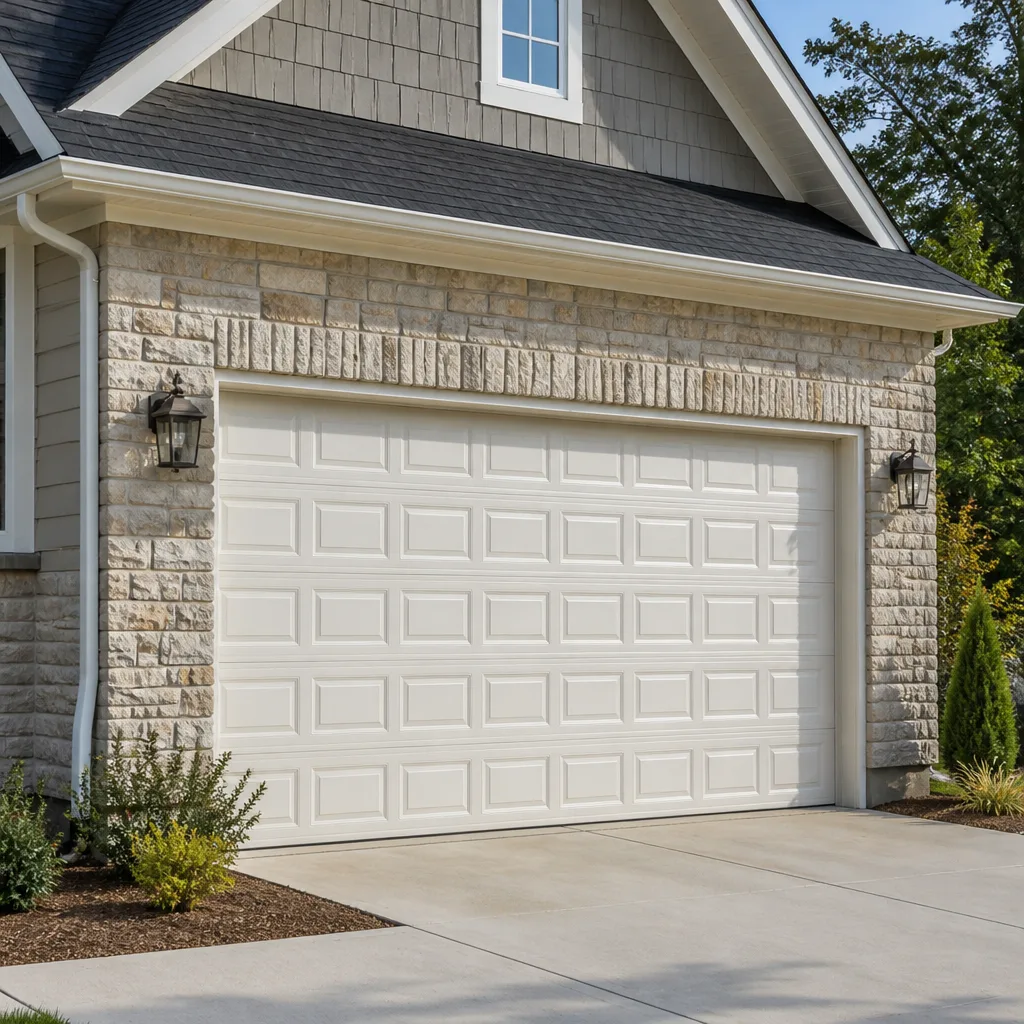 Raised-panel steel
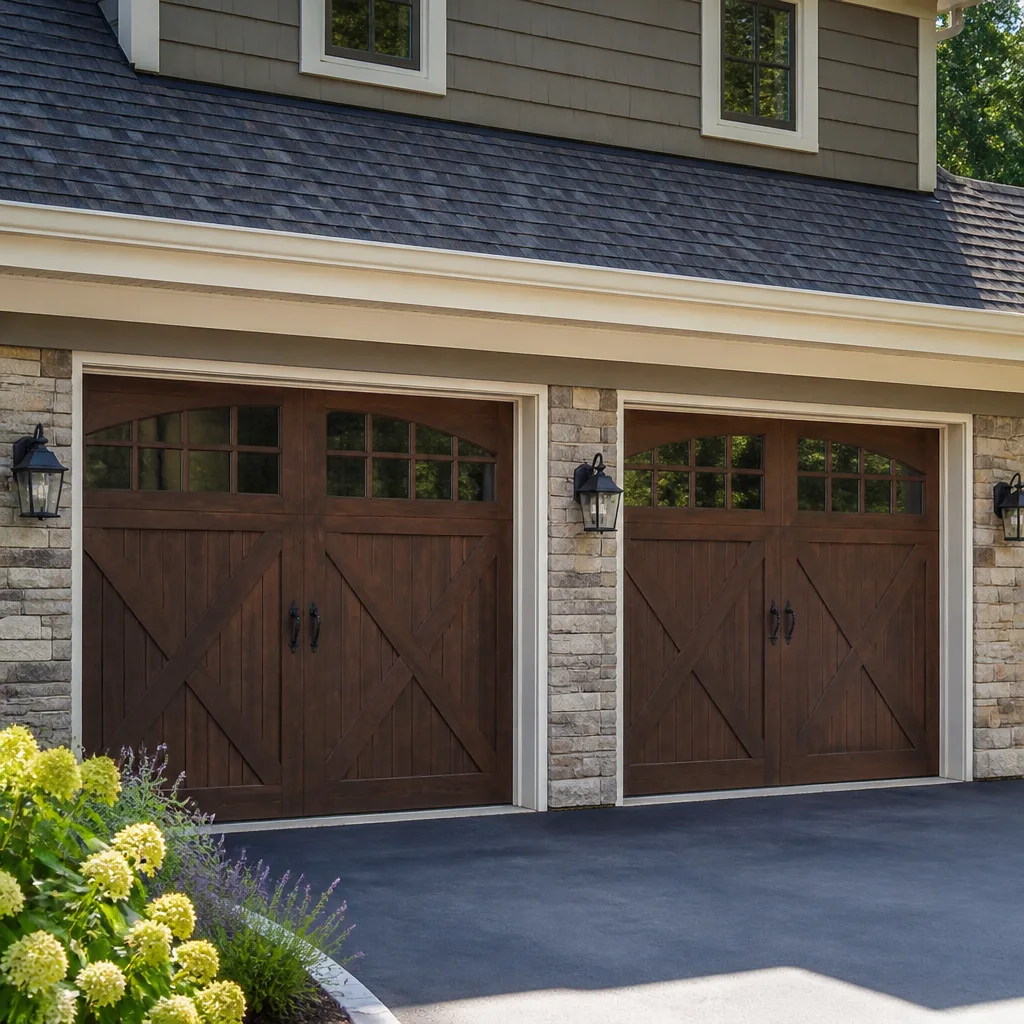 Carriage house
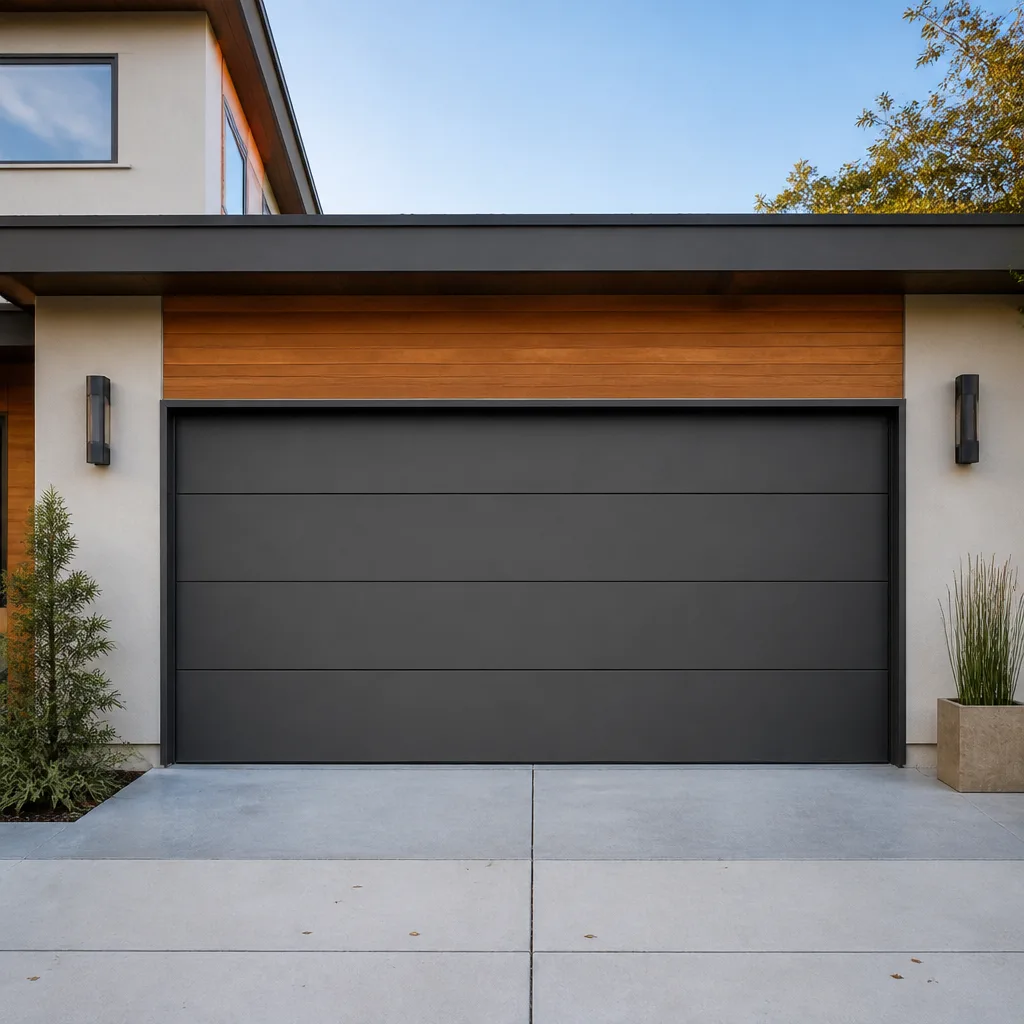 Modern flush
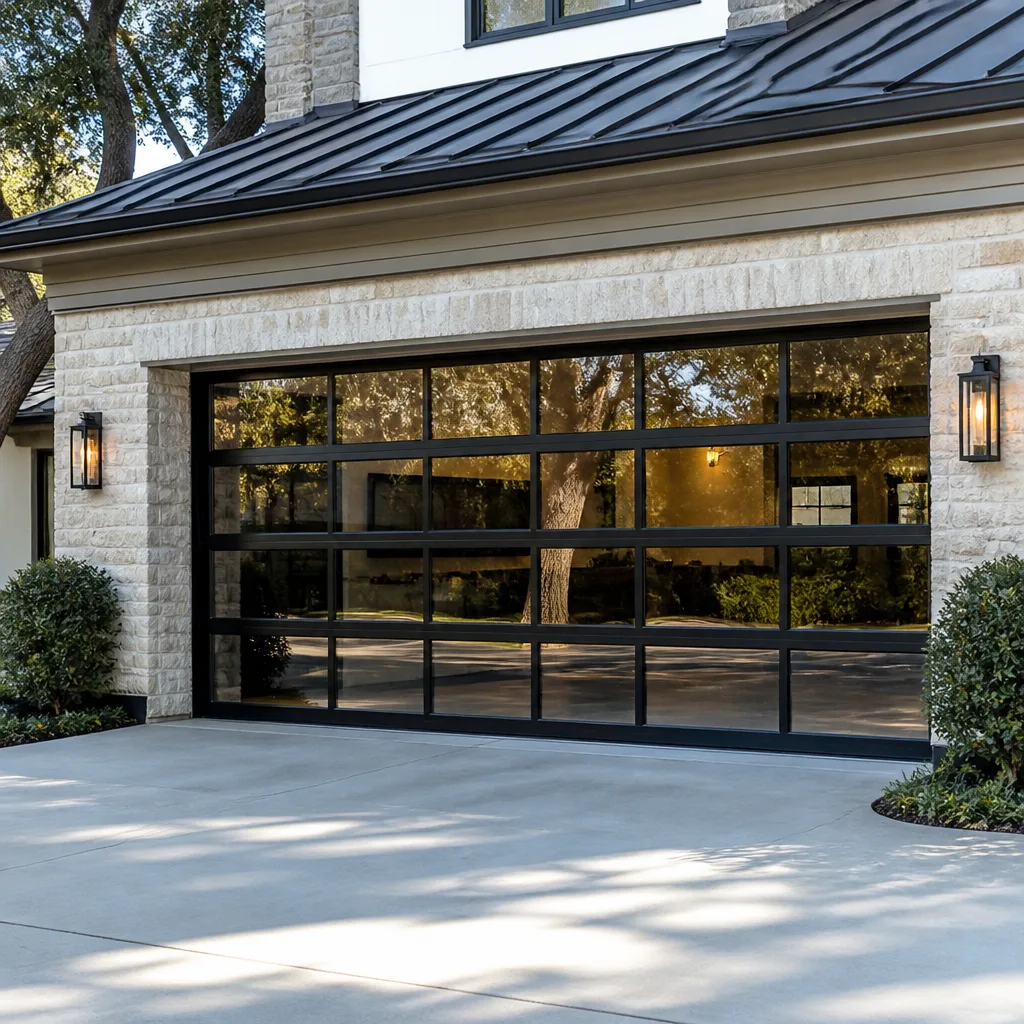 Full-view glass
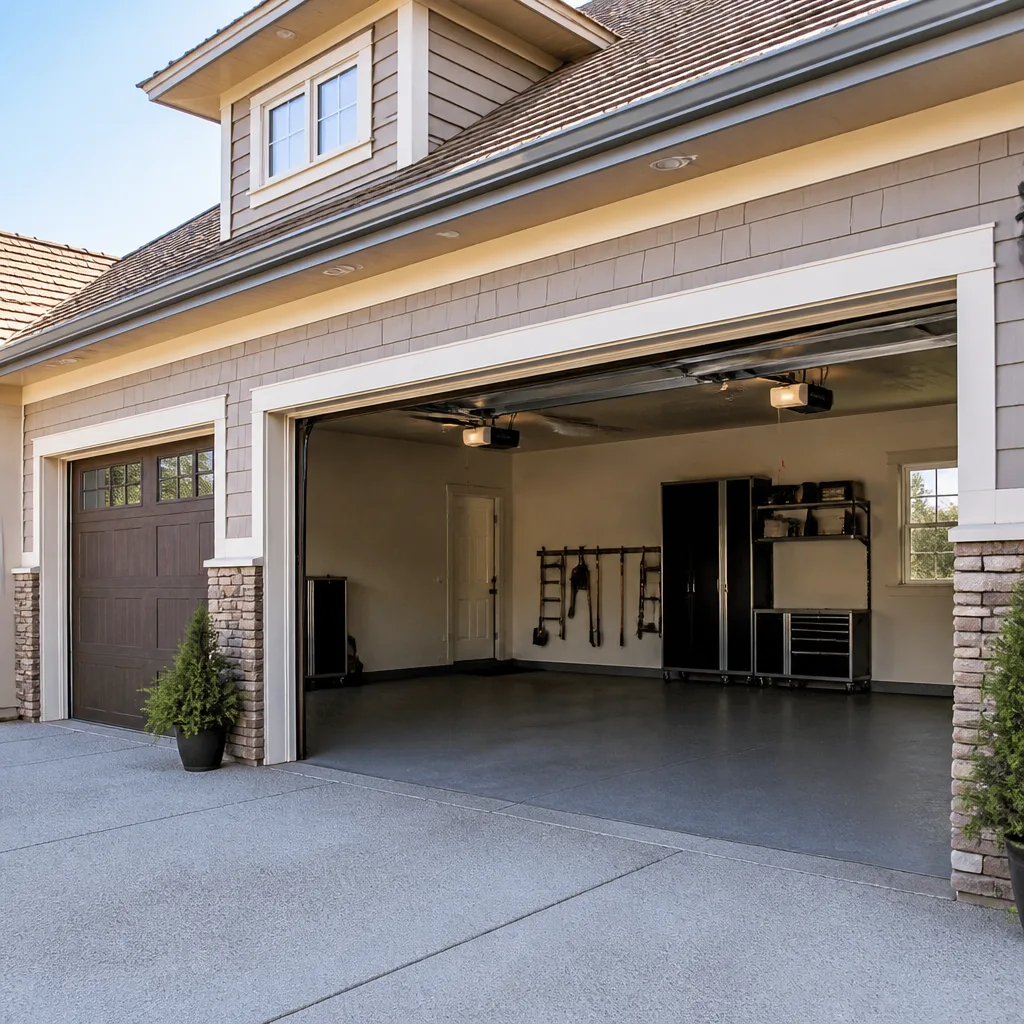 LiftMaster openers
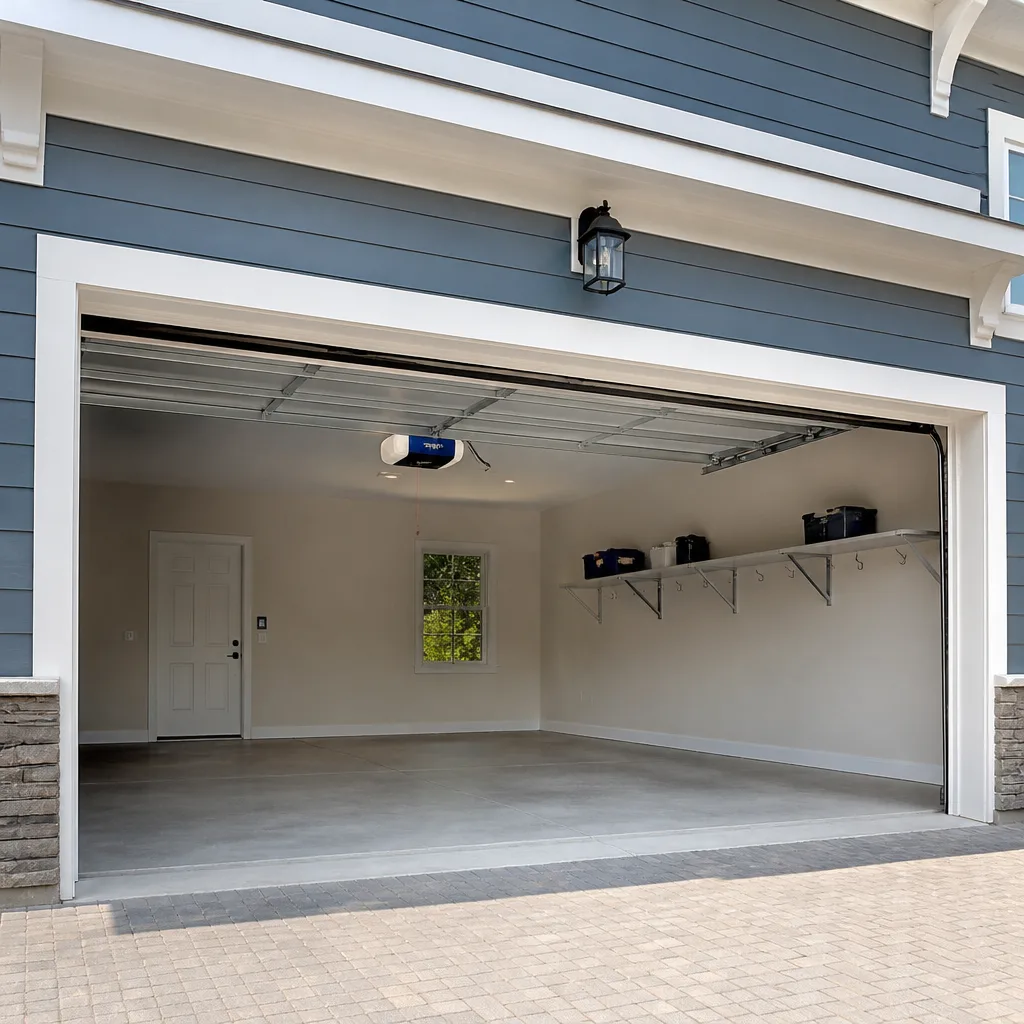 Chamberlain openers
Full 25-point door and opener safety check with every visit - springs, cables, rollers, tracks, and your LiftMaster or Chamberlain opener included
You get a price before we start. It does not change when the pro arrives.
Get your free estimateGarage Door Permits, Codes & Inspections in Mount Washington, OH: What You Need to Know
Most homeowners assume a garage door is a garage door, so a permit either always applies or never does. Neither is true. In Ohio, swapping out the opener motor is treated as routine equipment replacement and doesn’t require a permit, while installing a new door on certain structures does. That gap is where the surprises live: a project that feels like a simple upgrade can trigger plan review, inspection and, in some cases, insurance questions. This guide walks through the Ohio Residential Code thresholds, how Hamilton County and Cincinnati permit authority overlap for Mount Washington addresses, what inspectors actually look at, and how to document a permitted install for resale. We’ll also flag the HOA layer that runs alongside the municipal process.
Styles & brands we work with
- Raised-panel steel
- Carriage house
- Modern flush
- Full-view glass
- LiftMaster openers
- Chamberlain openers
Quick Answer
In Mount Washington, replacing a garage door opener is generally permit-exempt because it’s classified as a mechanical component swap, not structural work. Replacing the door itself, changing the size of the opening, converting an attached garage, or installing a door as part of an addition typically requires a permit through the City of Cincinnati’s building department, since Mount Washington falls under Cincinnati jurisdiction. Always confirm with the city’s building department before work starts.
Table of Contents
- Ohio Residential Code: What Triggers a Permit?
- Hamilton County vs. Cincinnati: Who Issues the Permit in Mount Washington?
- What Inspectors Actually Check on a Garage Door Installation
- The HOA Approval That Runs Parallel to Your Permit
- Documenting a Permitted Install for Resale and Insurance
- Why Opener Replacement Sits in a Different Category
- Garage Conversions and Additions: The High-Stakes Cases
- Mount Washington Specifics: Climate, Housing and Neighborhoods
- Common Mistakes to Avoid
- When to Call a Professional
- Frequently Asked Questions
- The Bottom Line
Ohio Residential Code: What Triggers a Permit?
The Ohio Residential Code sets the baseline for one- and two-family dwellings across the state, and local jurisdictions adopt it with amendments. The code doesn’t say “garage doors need permits.” It says an alteration or addition to a structure needs a permit unless a specific exemption applies. That’s why the answer changes depending on what you’re actually doing. A door replacement in-kind is one category. A door replacement that changes the rough opening is another. A new installation as part of an addition is a third. Here’s how the categories usually break down:
- Opener replacement (motor, rail, remotes, smart module): Treated as equipment replacement, generally exempt.
- Door replacement, same size and same opening: Often exempt, but the exemption varies by local amendment. Confirm with the city before assuming.
- Door replacement with a changed opening size: Almost always requires a permit because the header and framing are modified.
- New door on a newly built or added structure: Requires a permit as part of the larger project.
- Garage conversion to livable space: Requires a permit, and the door opening is only part of the scope.
What trips people up is that “the door” isn’t a single thing in code terms. It’s a structural opening, a set of framing members, and a hardware system. When you replace a door with the same width and height, the structure isn’t altered. When you change the height, header loads, or opening width, you’ve touched the structure, and that’s where the permit threshold sits. Our technicians have up to 9 years of experience and see this play out on Mount Washington jobs regularly: two neighboring homes can have entirely different permit needs based on whether the opening stayed the same.
One more point worth internalizing: the exemption for a simple door swap is not universal across every Ohio jurisdiction. Adopted local amendments can tighten the rule. The city’s building department is the authority, and a quick call settles it. For related work, our Garage Door Repair Mount Washington page covers the mechanical side of what we handle.
Hamilton County vs. Cincinnati: Who Issues the Permit in Mount Washington?
Mount Washington is a neighborhood of Cincinnati, which means permits for work in Mount Washington go through the City of Cincinnati’s building department rather than Hamilton County directly. Hamilton County sets some framework rules and handles certain regional services, but for residential building permits within the Cincinnati corporate limits, the city is the permit authority. That distinction matters because a homeowner who calls Hamilton County first will get redirected, and the paperwork loop adds time to a job.
Here’s the practical flow for a garage door project in Mount Washington:
- Confirm whether the scope needs a permit by describing the specific work to the city’s building department (door swap, opening change, addition, conversion).
- If a permit is required, a licensed contractor or the homeowner (depending on the scope and the city’s rules) files the application with the City of Cincinnati.
- Pay the permit fee, which varies by project value and scope.
- Schedule the inspection after the work is complete.
- Receive the inspection approval, which closes the permit.
Zoning can also come into play. If the door faces a setback or the project changes the structure’s footprint, a zoning review may be triggered alongside the building permit. That’s another item to raise with the city upfront. For Mount Washington properties near the Beechmont Avenue corridor or along the wooded streets that back up to Ault Park, setback and easement situations can complicate a project that looks simple on paper. When in doubt, describe the whole job to the building department in your first call, not just the door part.
We connect Mount Washington homeowners with independent local professionals who handle the door work while the homeowner or contractor handles the permit filing. If you’re weighing a full replacement, our garage door installation page walks through what a new install involves.
What Inspectors Actually Check on a Garage Door Installation
An inspector isn’t going to test your balance springs or scrutinize the opener’s travel limits. The inspection is about whether the installation matches the approved plans and meets structural and safety requirements. In our experience, a handful of items come up repeatedly as failure points. Knowing them ahead of time turns a re-inspection into a single visit.
What inspectors typically look at:
- Header and framing: Does the installed header match what was approved on the plans? Is the framing adequately supported and connected?
- Attachment to structure: Are the track brackets and spring anchors fastened into structural members, not just sheathing?
- Opening dimensions: Does the finished opening match the permitted dimensions? Undersized or oversized openings fail plan conformity.
- Weather-sealing at the threshold: Is there a proper seal between the door and the slab or weatherstripping around the perimeter?
- Labeling: Does the door assembly carry the required product labeling for the application?
- Clearances: Is there adequate clearance to combustibles if the garage shares a wall with living space? Fire separation is a code issue in attached garages.
The most common failures we see fall into two buckets: framing that was modified in the field without an updated plan, and fasteners sunk into non-structural material. Both are preventable if the installer doubles down on the attachment details before the door goes up. Inspectors are not required to test the door’s operation, but the physical presence of proper hardware matters. A door hung on brackets screwed only into OSB sheathing is a red flag even in a quick visual pass.
The reason Mount Washington installations can hit these snags more often than expected comes down to the housing stock. Many of the neighborhood’s mid-century homes have attached garages with wood-framed openings that have settled over the years. When the opening is out of square, an installer might improvise rather than record the change on the plan. That’s the moment to pause and file an amendment if the framing is being altered. Our garage door repair work often starts by checking whether an existing install was done to code.
The HOA Approval That Runs Parallel to Your Permit
A municipal permit and an HOA architectural approval are two separate tracks, and one does not substitute for the other. The city is asking whether the structure is safe and built to code. The HOA is asking whether the door looks like it belongs in the neighborhood. You can have a fully permitted install rejected by an architectural review committee and forced to change color, style or material. You can also have an HOA approval in hand and still fail a city inspection.
Neighborhoods around Mount Washington with established architectural character often run a design review process. That means when you’re choosing a door, the material and panel style you like may need sign-off before you order. Steel raised-panel doors are the most commonly approved style in these reviews because they match what’s already around the neighborhood. Carriage-house styles with decorative hardware can get pushback if the surrounding homes are all standard panel. Clopay and Amarr both make models that pass neighborhood review in most Cincinnati-area communities, but the safest move is to check the HOA rules first and pick from the approved list.
Here’s the sequence that saves trouble:
- Read the HOA’s architectural rules before choosing a door.
- Submit the HOA application with door specifications, color samples and a photo of the existing door.
- Wait for written conditional approval, not a verbal yes.
- Confirm the city permit requirements for the same scope.
- Order the door only after both approvals are in writing.
If the HOA approval comes in with conditions (a specific color, a certain panel style), those become part of what you’re required to install. Get the conditions in writing and share them with your installer. It’s the single most common place schedules slip on Mount Washington jobs. We standardly see homeowners explore garage door opener repair as a stopgap when a full replacement is tied up in approval, which is a reasonable move when the door itself is fine but the operator isn’t.
Documenting a Permitted Install for Resale and Insurance
If you’ve had a garage door installed with a permit, the permit is only worth what you can prove later. When you go to sell, the buyer’s inspector will look for evidence of permitted work on any substantial improvement. When you file an insurance claim, your insurer will want to see that the work was done to code. Documentation serves both purposes, and it’s simpler than homeowners expect.
What to keep on file:
- The permit application and the approved permit number.
- The final inspection approval or certificate of inspection.
- The contractor’s invoice and any plan drawings or specifications submitted with the permit.
- Product literature showing the door model, label and hardware.
- Photos of the finished installation, including the framing and hardware attachment, before the interior wall was closed.
- The HOA architectural approval letter, if applicable.
For resale, having these documents in one folder means a buyer’s inspector won’t flag the garage door as “unpermitted work of unknown quality,” which is language that can delay a closing. For insurance, the final inspection sign-off answers the question of whether the structure meets adopted code. If your carrier asks for evidence of a permitted install during a claim, a clean file resolves it in one email.
The one case where documentation really matters is the addition or conversion scenario. If you converted an attached garage into livable space and had the work permitted and inspected, that conversion shows up as finished square footage during resale. If it was done without a permit, buyers’ agents typically discount the value of that space, and lenders may not count it. Keep the paper trail. For a broad view of our full service range, the main Garage Door Repair Mount Washington hub covers what we handle.
Why Opener Replacement Sits in a Different Category
An opener is a motor, a rail and a set of controls. It’s not part of the building’s structural envelope. That’s why replacing an opener is treated as equipment replacement rather than alteration, and why permits aren’t required for the swap in most Ohio jurisdictions, including Cincinnati. But “generally exempt” doesn’t mean “no rules apply.” A few neighboring considerations still matter:
- Electrical: If the opener is on a new circuit or the outlet needs to be relocated, that electrical work may require a permit through the city. Opener swap on an existing outlet is exempt; new wiring is not.
- Safety reversal: Federal rules require a safety-reversing feature on openers sold since the early 1990s. If your new opener has it, you’re covered. If you’re repairing an old unit, the safety feature must work.
- Manufacturer install specs: The opener must be installed per the manufacturer’s instructions, including clearance from the door’s path of travel and proper anchoring of the rail.
We service openers from LiftMaster, Chamberlain, Genie and Craftsman on Mount Washington jobs, plus Clopay, Amarr, Wayne Dalton and Raynor doors. The right opener is matched to the door’s weight and balance, which is why “just replace the motor” sometimes doesn’t solve the problem. If the door is off-track or the spring is broken, a new opener will not fix it, and the new unit will wear out fast. Only a trained technician should work on the springs and cables; those components are under extreme tension and can cause serious injury if handled without proper tools.
When an opener swap turns into a wiring question, that’s the point to bring in the city. It’s also the point to call us if you want the mechanical side handled correctly. Our garage door opener repair page goes deeper on brands and troubleshooting.
Garage Conversions and Additions: The High-Stakes Cases
If you’re turning an attached garage into living space or adding a garage as part of an addition, the permit situation goes from “probably exempt” to “definitely required.” These are the projects where skipping the permit is most expensive, because they touch the building envelope, the fire separation between garage and living space, and the electrical and HVAC systems. Any of those alone would require a permit; together they require a coordinated plan review and multiple inspections.
For a conversion, expect the permit scope to include:
- Structural: floor elevation, ceiling removal or re-framing, and new wall openings.
- Fire separation: a proper wall and ceiling assembly between the former garage and the living space.
- Egress: a bedroom or sleeping area created in the space needs compliant egress windows or doors.
- HVAC: extending conditioned air into the space.
- Electrical: new circuits for lighting, outlets and heating/AC.
- Insulation and weatherization: exterior walls and the former garage door opening need proper treatment.
For an addition with a new garage, the permit covers the foundation, framing, electrical and door installation as part of a single submittal. The door itself is a small line item in a large project, but the door opening dimensions need to align with the plans. If the door is a Clopay or Amarr model that comes in specific standard sizes, choose the size before the plan is finalized, not after. The most common delays we see are size changes that arrive after the permit is issued, which trigger plan revisions and additional fees.
Mount Washington’s steep lots along the ridge line above the Ohio River valley make these projects less tidy than in flatter subdivisions. A garage addition that appears simple can involve a retaining wall or a grade change, both of which add scope. Talk to the city’s building department early and describe the whole site, not just the door.
Mount Washington Specifics: Climate, Housing and Neighborhoods
Mount Washington sits on the eastern side of Cincinnati, high on the ridge above the Ohio River valley. That geography affects garage doors in practical ways. Summer humidity and repeated freeze-thaw cycles through winter work on wood framing and painted steel panels. Wood components around an older garage opening expand and contract, so the opening can move out of square over many seasons. A door that fit perfectly when installed may no longer sit flush after a decade of this. That’s why inspections on Mount Washington jobs sometimes fail on framing conformity: the opening isn’t where the plan shows it.
The housing stock is another factor. Many homes here date from the mid-twentieth century, when garage dimensions and door heights differed from today’s standards. Some garages accept a 7-foot door cleanly; others were built for a 6-foot-8 opening. When a homeowner wants a standard-height door, the header often has to move, which triggers a permit because the structure is being altered. We’ve seen this come up on streets near Ault Park and along the older residential pockets of Mount Washington where garages were built into sloping lots.
The neighborhoods within Mount Washington that we regularly work in include the area near the Beechmont Avenue business corridor, the quieter residential streets running off Linwood Avenue, and the wooded pockets near the Cincinnati Nature Center. Each has its own quirks: garages tucked under the main floor on the hillside streets, driveways that slope enough to complicate door clearance, and older construction where the framing isn’t standard. For installation planning in this kind of housing stock, our garage door installation page covers the measurement and site-prep steps.
None of this is exotic. It’s just the reality of an older, hilly Cincinnati neighborhood, and it’s why the permit conversation in Mount Washington often needs a little more context than “do I need a permit for a garage door.” The specific answer depends on the specific door, the specific opening, and the specific structure.
Common Mistakes to Avoid
- Assuming the opener exemption covers the door. Homeowners hear “no permit needed” for the opener and carry that assumption over to a door replacement. The two are separate categories in code. Confirm the door threshold separately before you order.
- Calling Hamilton County first. For Mount Washington addresses, the City of Cincinnati’s building department is the permit authority. Calling the county first adds a redirect loop. Start with the city and describe the exact scope.
- Choosing a door before checking HOA rules. HOA approval runs in parallel with the permit, and a door the HOA won’t approve is a door you’re paying to remove. Read the rules before ordering, then submit for approval with door specifications in hand.
- Modifying framing without updating the plan. The most common inspection failure on garage door installs is field-modified framing that doesn’t match the approved plan. File the amendment before the work continues.
- Skipping permits on a conversion or addition. These are the projects where skipping the permit most often affects resale and insurance. If the garage is becoming living space, permit it, inspect it, and keep the paperwork.
- Not documenting the inspection. A permit without a closed final inspection is not proof of compliant work. Keep the final approval letter with the invoice and product literature in one file.
- Letting a non-technician touch the springs or cables. Spring and cable replacement involves high tension and can cause serious injury without proper tools and training. That’s a job for a trained technician, not a homeowner with a wrench.
- Assuming a “same-size” door swap needs no permit anywhere. Local amendments can tighten the exemption. Ask the city every time; don’t rely on what a neighbor says about their install.
When to Call a Professional
Some parts of a garage door project are safe to handle yourself. Rolling a track back into alignment after a minor bump, resetting a remote, and switching out rubber weatherstripping are all reasonable DIY jobs. Anything involving springs, cables, or a door that has come off track is a safety situation. Those components are under extreme tension and the wrong move can cause serious injury. When the door won’t open or close, the spring is broken, or the opener is failing repeatedly, stop operating it and get a trained technician on site. Same-day emergency service is available for urgent failures: door won’t open, door won’t close, broken spring, door off track. Federal law also requires working safety-reversing features on newer openers, so if yours is failing that test, don’t wait. Garage Door Repair Mount Washington offers free estimates in Mount Washington – call (866) 565-4809.
Frequently Asked Questions
It depends on what’s actually changing. A same-size door replacement where the rough opening isn’t altered is often exempt, but the exemption depends on local amendments, so confirm it with the City of Cincinnati’s building department since Mount Washington falls under Cincinnati jurisdiction. Changing the opening size, replacing a door as part of an addition, or converting an attached garage all require a permit. Call (866) 565-4809 for a free estimate on the door work once you’ve confirmed the permit scope.
No, opener replacement is generally permit-exempt in Ohio and Cincinnati because it’s classified as mechanical equipment replacement rather than an alteration to the structure. The exception is if the work also involves new wiring or a new electrical circuit, which may require a permit through the city. The mechanical swap itself does not. Call (866) 565-4809 for a free estimate on the opener replacement.
The City of Cincinnati issues them. Mount Washington is a Cincinnati neighborhood, so the city’s building department is the permit authority for work at Mount Washington addresses, even though Hamilton County sets some framework rules. Calling the county first usually results in a redirect. Call (866) 565-4809 for a free estimate on the door work itself.
The inspector verifies that the installation matches the approved plans and meets structural and fire-separation requirements. The most common failure points are field-modified framing that doesn’t match the plan, brackets fastened into sheathing instead of structural members, and openings that don’t measure to the permitted dimensions. A local pro is licensed and insured as their state requires, which is one reason it makes sense to have a trained technician on the install. Call (866) 565-4809 for a free estimate.
Yes, and the two are separate. The city permit addresses code compliance and structural safety; the HOA architectural review addresses appearance and neighborhood character. You need both, and neither substitutes for the other. See if the HOA has a pre-approved door list, and submit specifications before ordering. Call (866) 565-4809 for a free estimate on the door options that typically pass review.
Yes, in the sense that we can point you to what to keep on file: the permit application and number, the final inspection approval, the contractor invoice, and product literature for the door and hardware. We also recommend photos of the framing and attachment before walls are closed. A clean file prevents delays at resale and answers insurance questions. Call (866) 565-4809 for a free estimate; we can walk through what your specific installation needs.
The Bottom Line
The line between permit-exempt and permit-required in Mount Washington comes down to whether the structure is being altered. Opener swaps are equipment replacement and generally exempt. A same-size door replacement is often exempt, but the exemption depends on local amendments, so ask the City of Cincinnati every time. Any change to the opening size, any addition, and any garage conversion requires a permit and inspection. HOA approval runs on a separate track and needs to happen before you order. Keep the permit, inspection and product documentation together and you’ll have clean answers at resale and at insurance time. If you’re ready to move, we offer free estimates in Mount Washington. Call (866) 565-4809 and we’ll help you figure out the next step.
Written by the team at Garage Door Repair Mount Washington.
See the difference
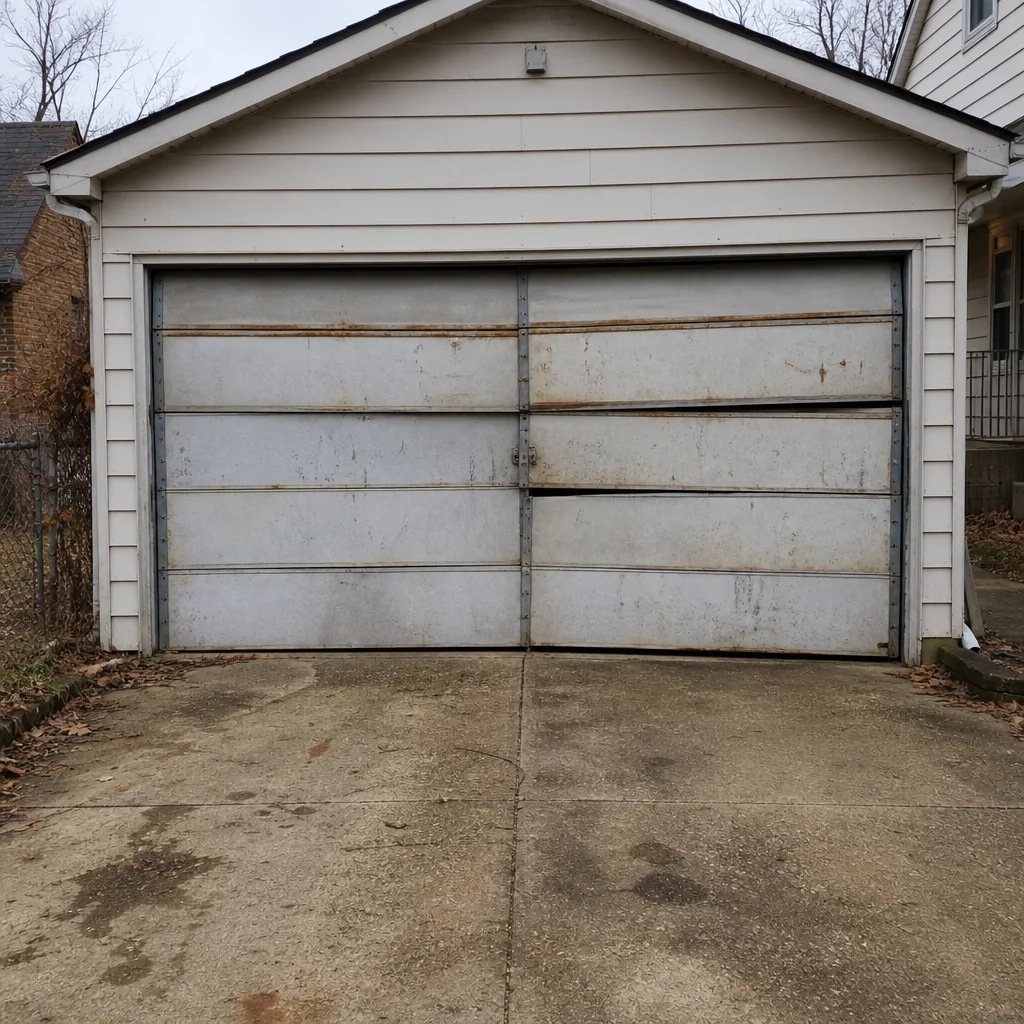 Before
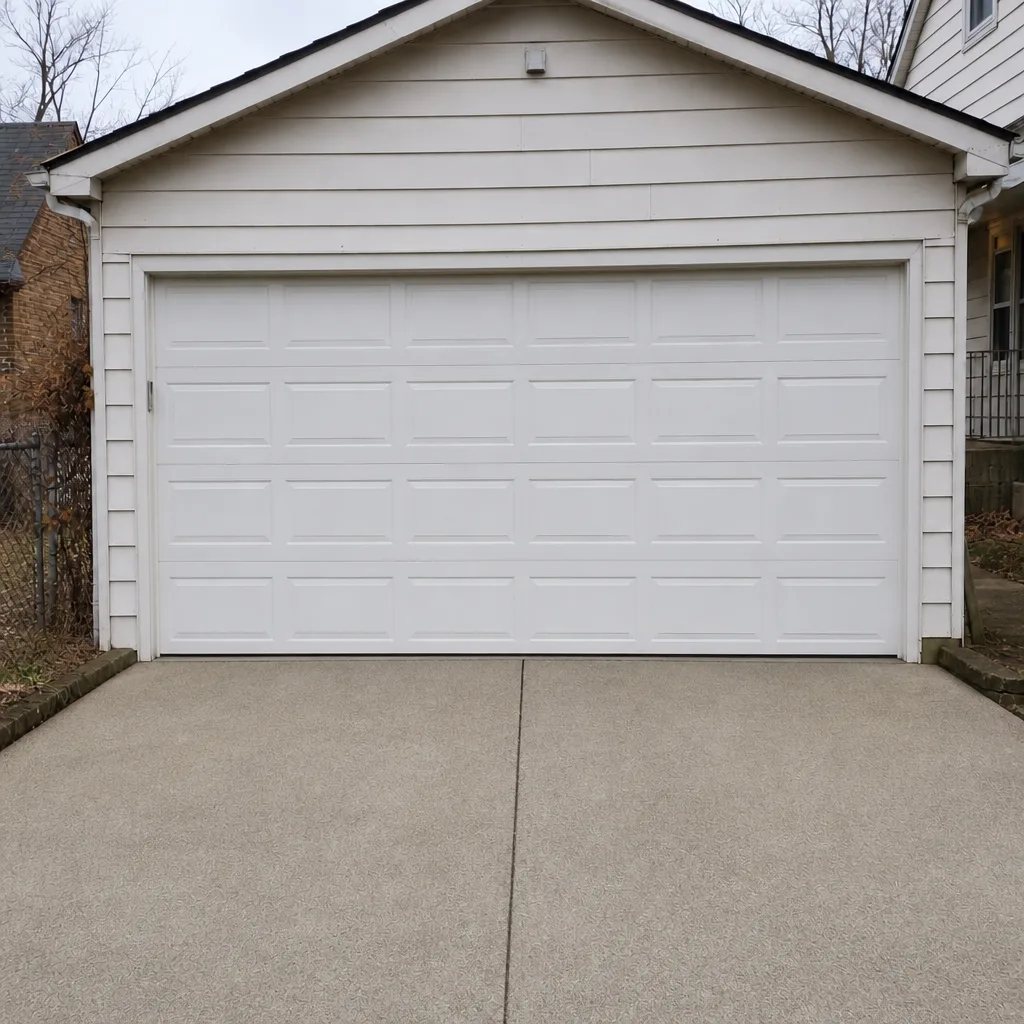 After
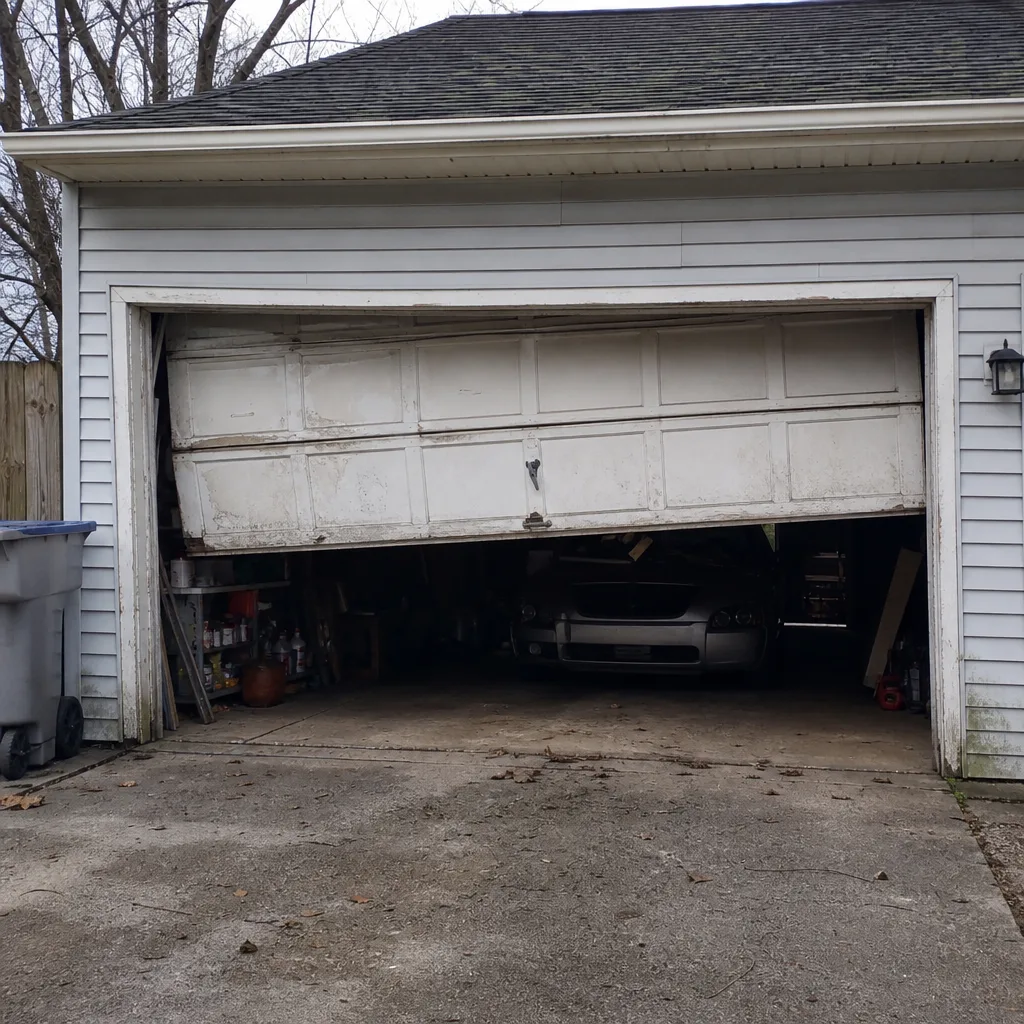 Before
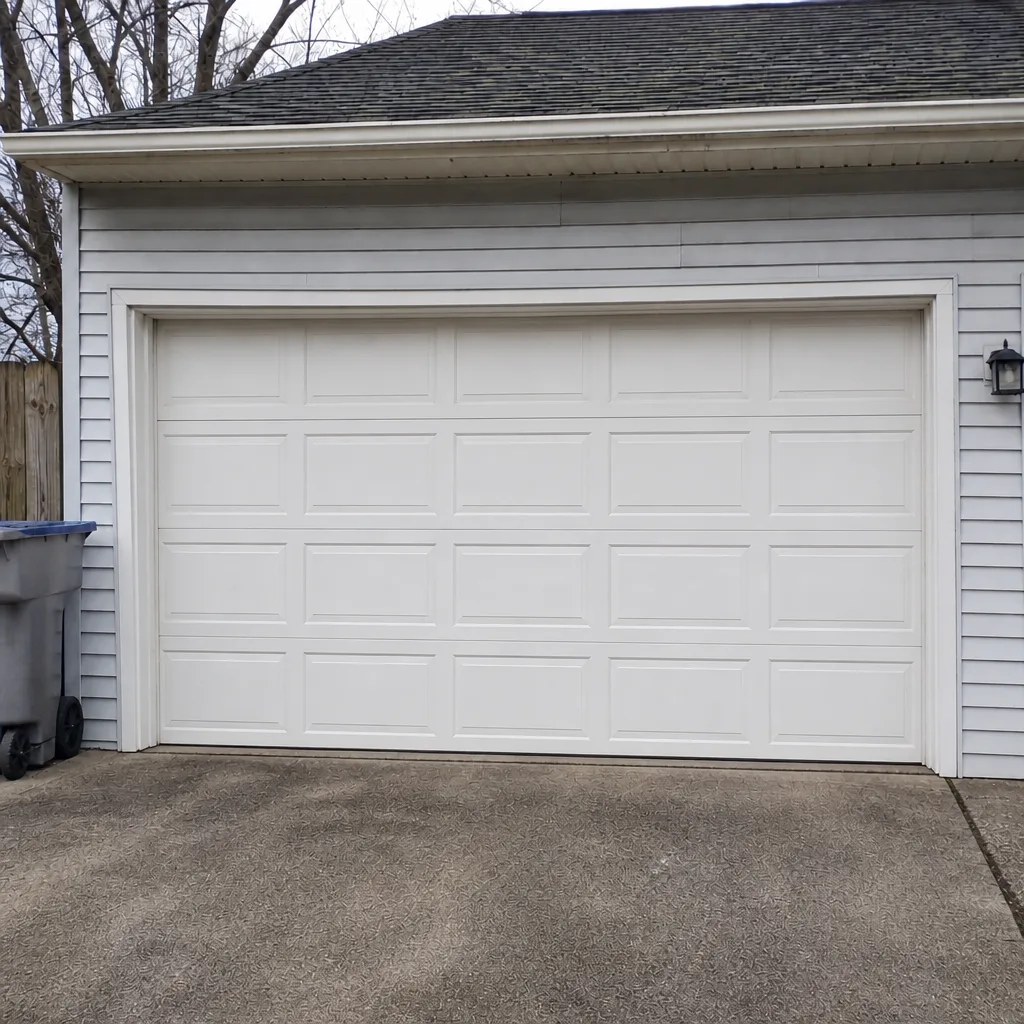 After
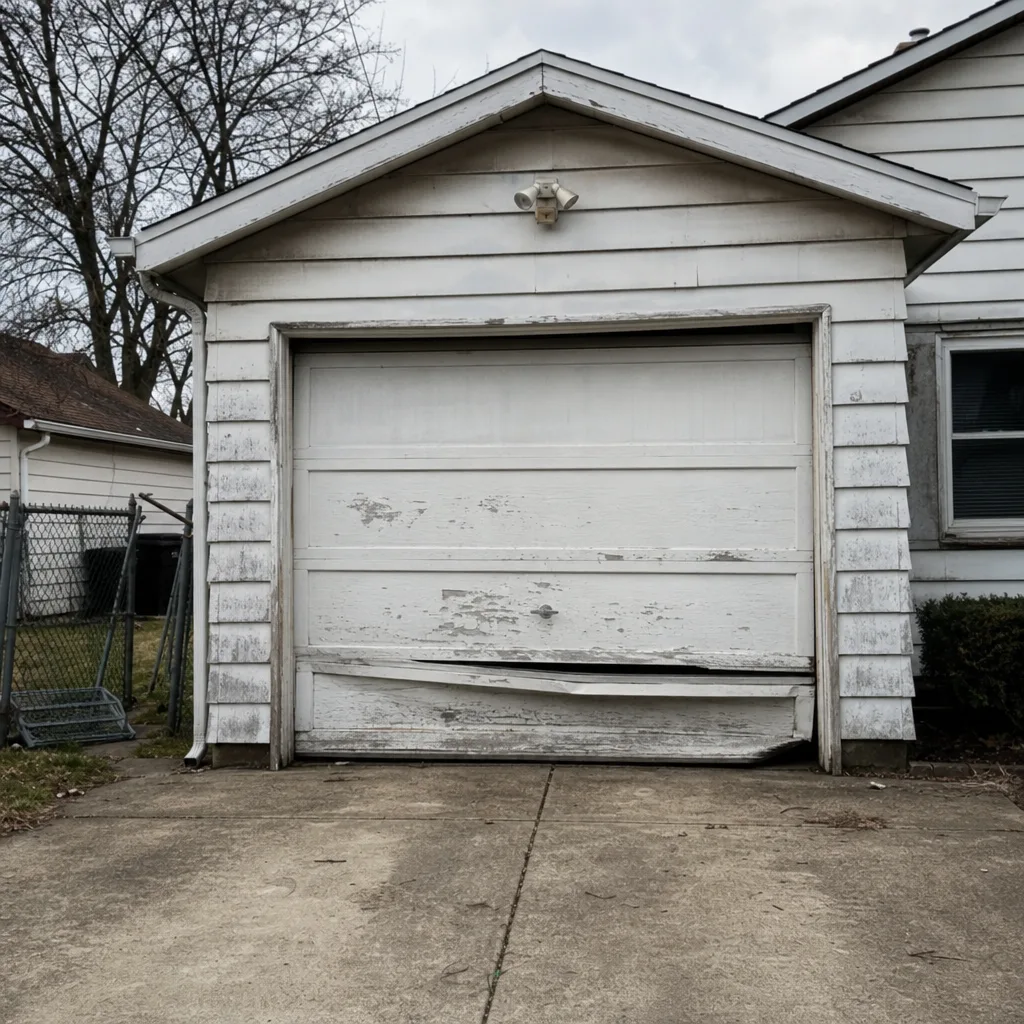 Before
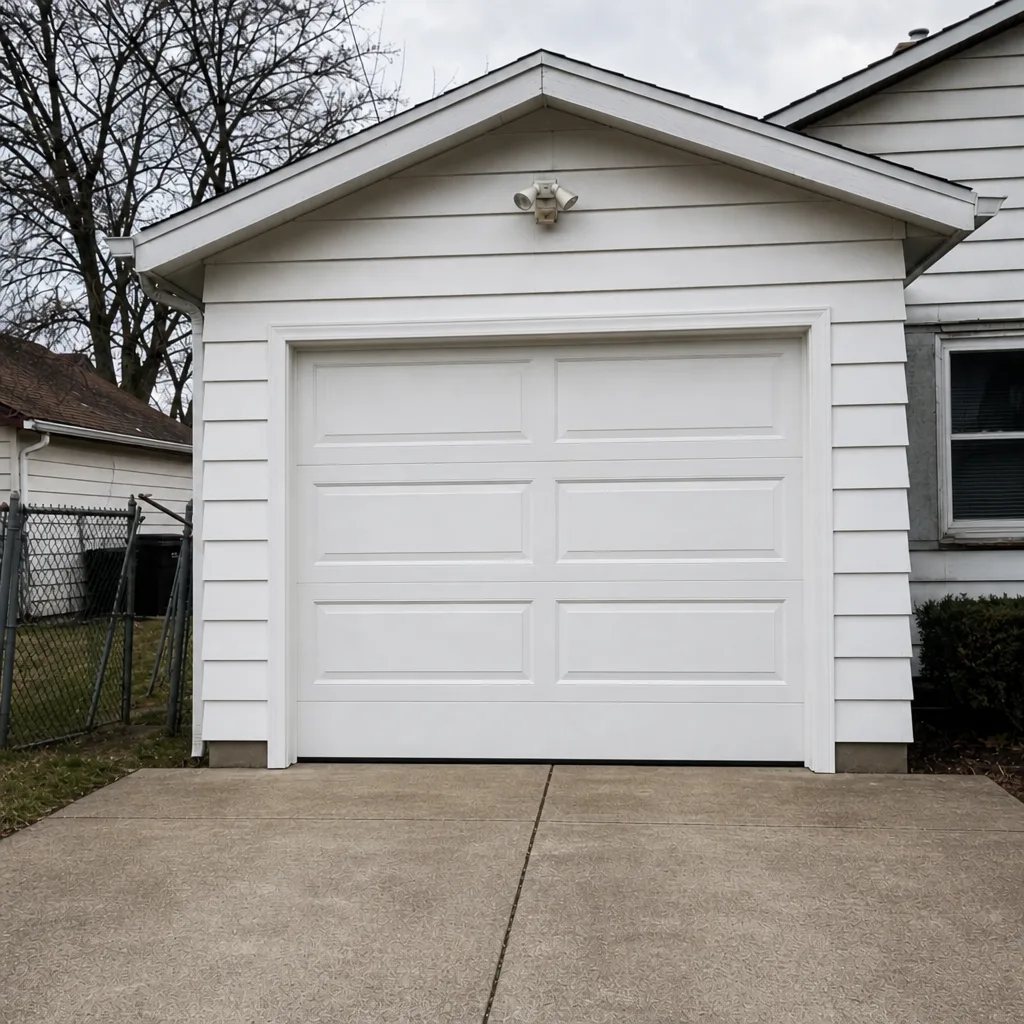 After