Last updated November 20, 2026
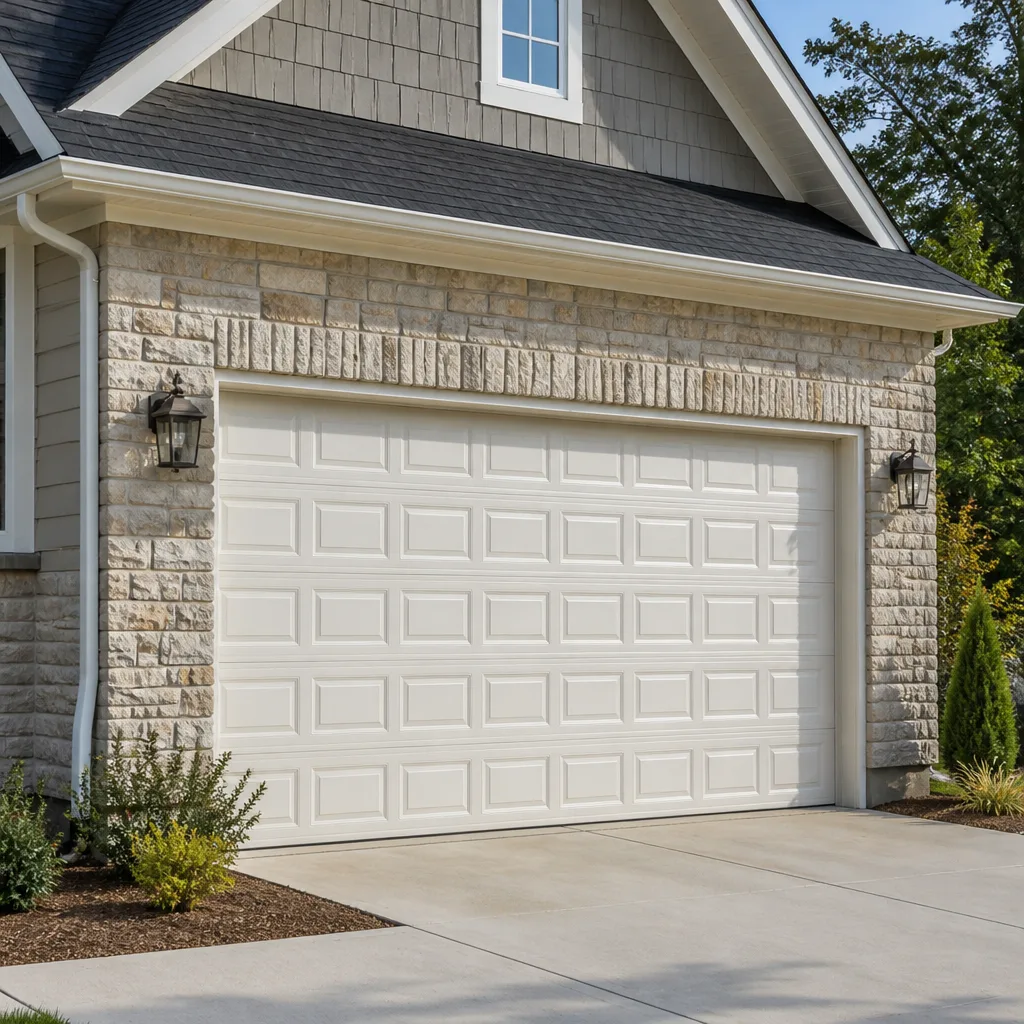 Raised-panel steel
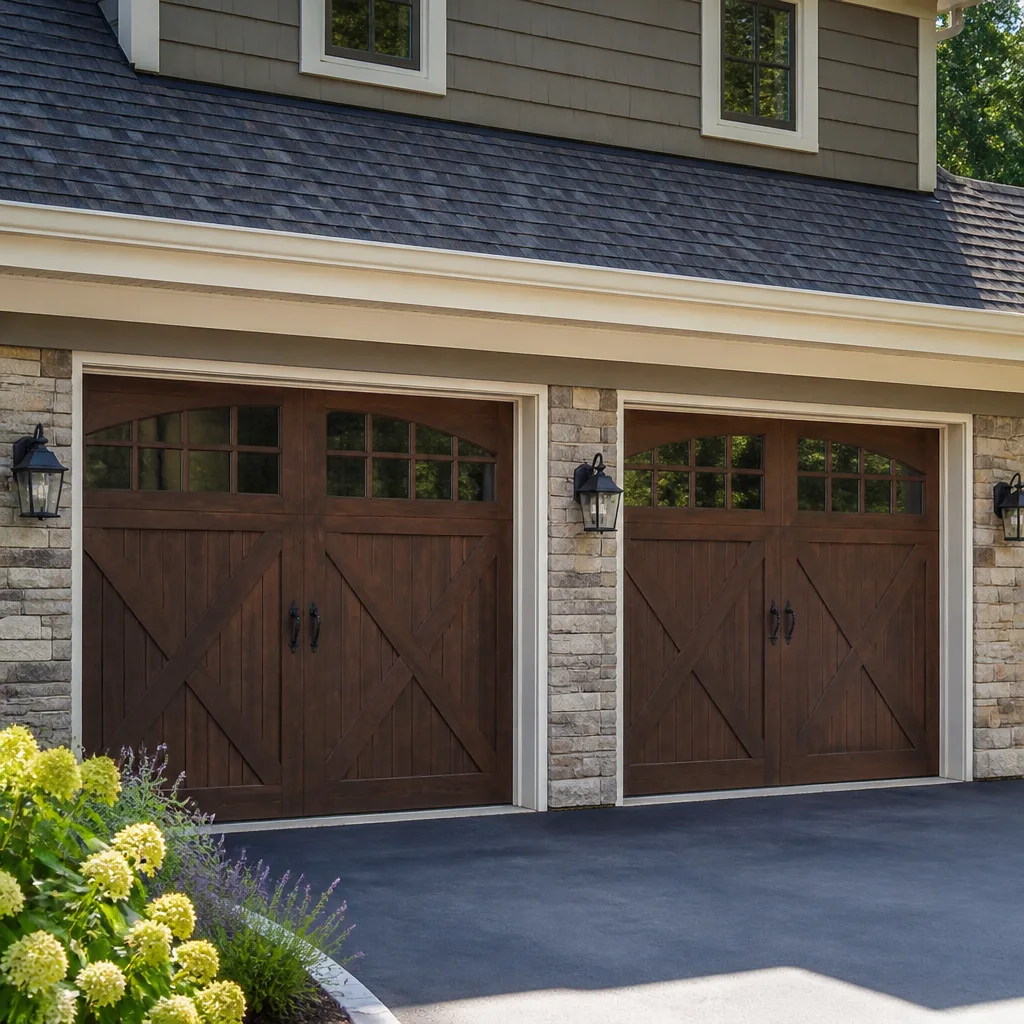 Carriage house
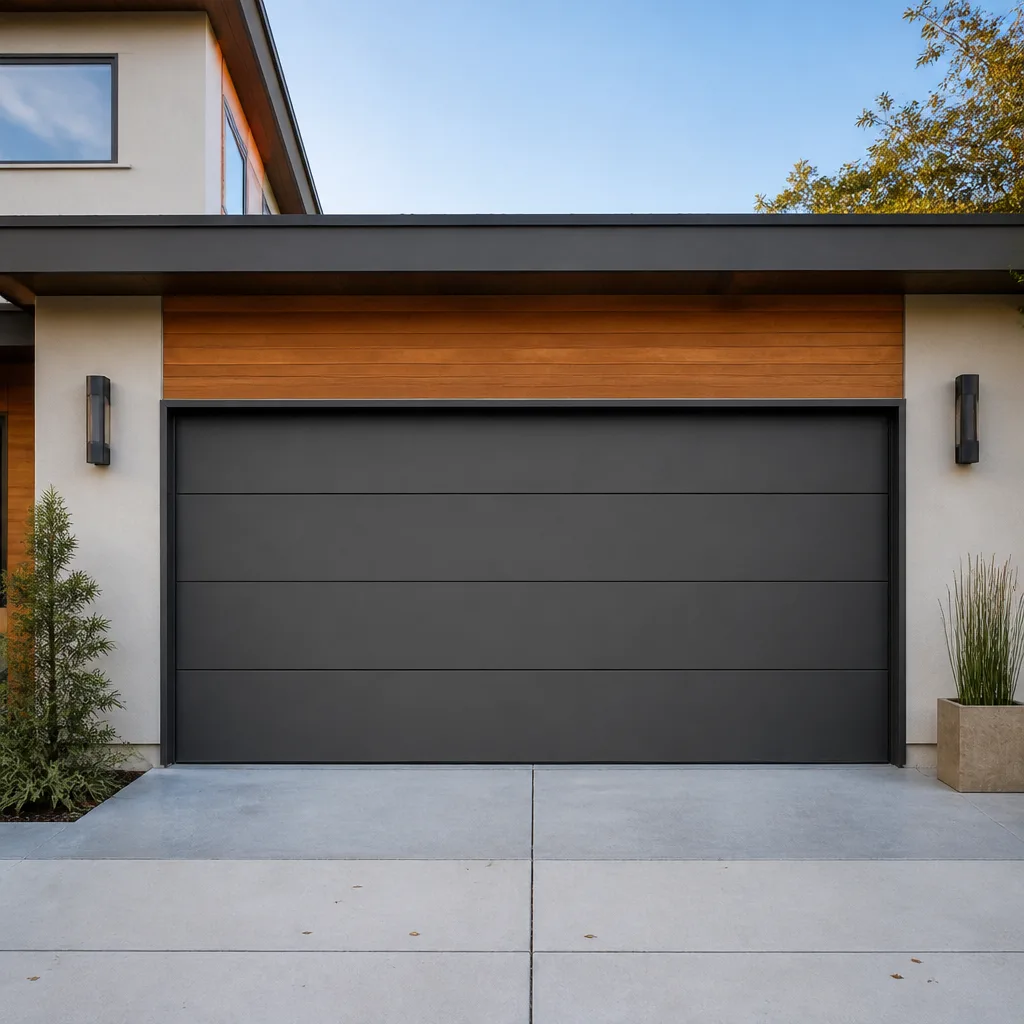 Modern flush
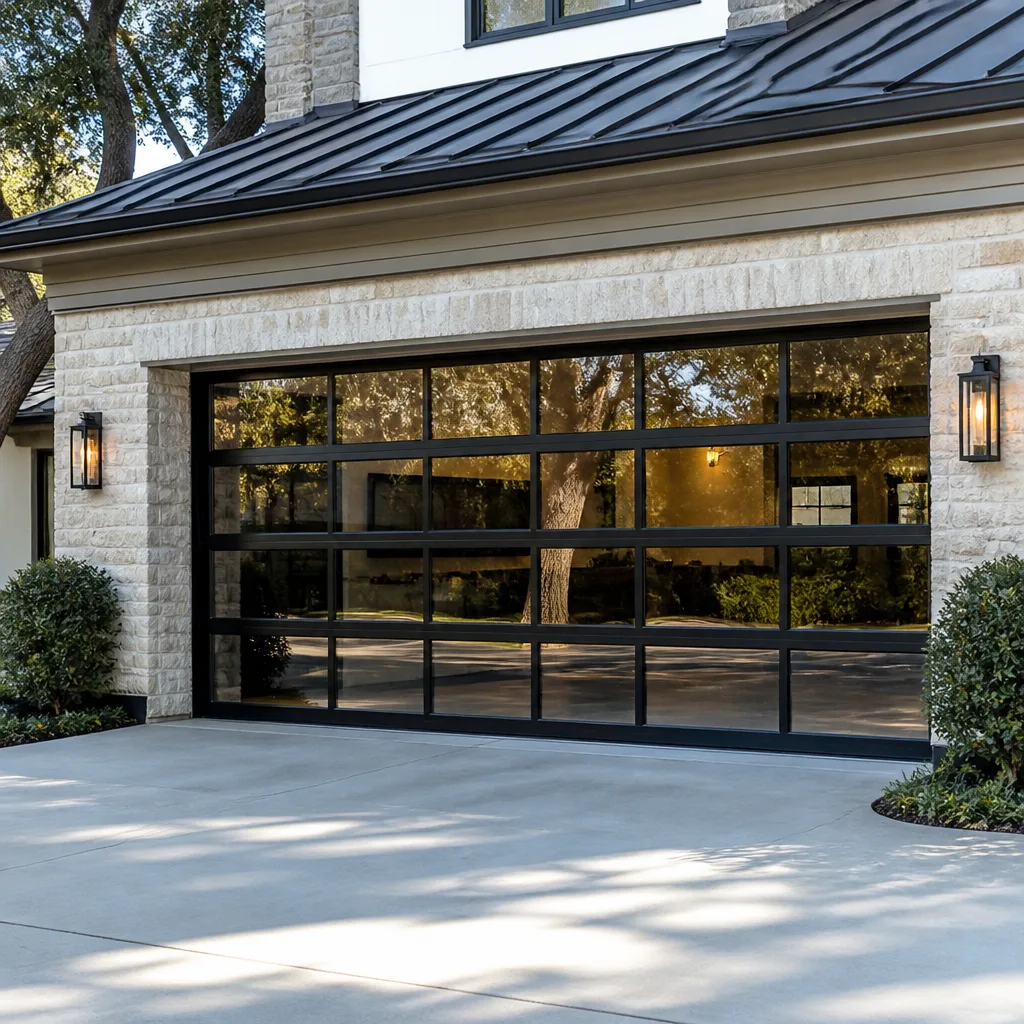 Full-view glass
 LiftMaster openers
 Chamberlain openers
Full 25-point door and opener safety check with every visit - springs, cables, rollers, tracks, and your LiftMaster or Chamberlain opener included
You get a price before we start. It does not change when the pro arrives.
Get your free estimateDIY vs Professional Garage Door: The Mount Washington Homeowner’s Decision Guide
Most garage door advice frames this as a skill question, and that’s the first mistake. The real dividing line isn’t confidence or YouTube fluency. It’s physics. A torsion spring holds enough stored mechanical energy that releasing it the wrong way can break bones or worse, and no tutorial transfers the feel of that tension to your hands through a screen. Meanwhile, half the repairs homeowners call us about are things a careful person can handle in an afternoon with a ladder and a tube of lubricant. This guide sorts the work task by task, so you know exactly where the line sits in your own Mount Washington garage.
Quick Answer
Weatherstripping, lubrication, sensor alignment, and visual inspections are safe to do yourself with basic tools. Springs, cables, and track realignment are not, because they involve stored energy or heavy panels under tension that can fail without warning. Everything else sits in a middle zone where a first-look diagnosis tells you whether to grab a wrench or call a technician.
Styles & brands we work with
- Raised-panel steel
- Carriage house
- Modern flush
- Full-view glass
- LiftMaster openers
- Chamberlain openers
Table of Contents
- Why the DIY Question Is Really a Risk Question
- Task-by-Task: What’s Safe to DIY and What Isn’t
- How Your Door’s Configuration Changes the Risk Profile
- DIY vs Professional Cost: The Five Most Common Repairs
- The Tools You Actually Need for the Safe DIY Tasks
- How to Do a Credible First-Look Diagnosis
- Brand Familiarity and Why It Matters in Mount Washington
- Keeping a Mount Washington Door Through the Seasons
Why the DIY Question Is Really a Risk Question
Torsion springs exist to counterbalance the weight of the door. A single-car door might weigh well over a hundred pounds, and a double-car door considerably more. The spring holds that weight in suspension so a light lift from you is enough to raise it. When that spring is wound, it’s storing force, and when it’s released suddenly, that force goes somewhere. Usually into the spring itself, sometimes through drywall, occasionally into whatever is in its path.
Extension springs along the sides of a door carry the same tension in a different direction, which is why they normally have safety cables running through them. If a spring breaks, as they all eventually do, that cable is what keeps it from becoming a projectile. In our experience, the springs that fail most violently are the ones on doors where nobody checked the cables in a long while.
So the framing isn’t “can you handle this?” It’s “what does a mistake cost?” For weatherstripping, a mistake means a minor draft and another trip to the hardware store. For a torsion spring, a mistake can mean an emergency room visit. Once you sort every garage door task by that question, the list builds itself.
Mount Washington homes sit on a mix of lots, many with garages that face a hill or sit tight against a neighbor’s fence line, and a door failure there is more than a repair – it’s the only way you get the car out. That raises the stakes on doing the risky work yourself.
Task-by-Task: What’s Safe to DIY and What Isn’t
Here’s the breakdown we give homeowners over the phone every week. It hasn’t changed much because the mechanics haven’t.
Safe to DIY
- Weatherstripping and bottom seals. Straightforward cutting, trimming, and pressing into a channel. A door that lets in daylight at the bottom is usually one seal replacement away from fixing.
- Lubrication. Hinges, rollers, and the spring coils themselves benefit from a proper garage door lubricant. A few minutes twice a year quiets most squeaks.
- Safety sensor alignment. The sensors at the base of the tracks need to face each other and stay clear. Nudging a knocked sensor back into line is a five-minute fix.
- Visual inspection. Seeing cracked rollers, loose hinges, or frayed cables early saves a larger repair down the road.
- Remote and keypad programming. Adding a remote or changing a code is routine for most modern openers.
Requires a Technician
- Torsion springs. Stored energy in a wound spring means winding bars, proper technique, and a trained hand. Never a homeowner job.
- Extension springs. Same energy, different axis. The added risk is that older doors sometimes don’t have safety cables at all.
- Cables. A cable under tension can snap and whip when handled wrong. Replacing one is as much a safety task as a mechanical one.
- Track realignment. Tracks aren’t just guides, they bear load, and a door is heavy. A bent track can also mean a bound door that later breaks a spring.
- Panel replacement. Sectional panels are large, awkward, and weigh more than they look. Two people with hands on the door are sometimes not enough.
For anything in the second list, Garage Door Repair Mount Washington handles the work with the right tools and training, which is the only sensible way to approach a job with injury risk attached.
How Your Door’s Configuration Changes the Risk Profile
Knowing your door’s setup is the first step to knowing the risk. Two Mount Washington homes on the same street might have radically different systems. The variables that matter most:
Torsion vs Extension Springs
Torsion springs mount on a horizontal shaft above the door. Extension springs run along the side tracks. Extension springs are older and simpler but rely entirely on safety cables to contain a break – without cables, a breaking spring can travel. Torsion springs are quieter and more contained when they fail, but the winding process is what carries the injury risk. Either way, a broken spring is a call-a-technician moment, but the two types behave differently in failure, and knowing yours helps you describe the problem accurately.
One-Piece vs Sectional
One-piece doors swing or tilt out of the opening in a single panel. They’re older, found on mid-century homes throughout the region, and harder to source parts for. They’re also trickier to diagnose when they jam, because a single heavy panel can torque an opener into failing. Sectional doors are the modern standard, break down into serviceable panels, and are the ones most parts are made for. A one-piece door that’s stuck usually needs eyes on it, not a guess.
Opener Types
Chain-drive, belt-drive, screw-drive, and newer jackshaft openers all sit behind the panel. A chain drive will be louder, a belt drive quieter, and some older Craftsman and LiftMaster units run on built-in logic boards that behave in specific ways when a sensor fails. Knowing your opener brand puts you in a better position to describe what you’re hearing.
If you’re not sure what you have, stand in the garage with the door closed and look up: the spring over the door tells you torsion, the springs along the sides tell you extension, and a label on the motor tells you the opener brand.
DIY vs Professional Cost: The Five Most Common Repairs
For the safe DIY tasks, the parts are cheap and the time is yours. For the risky tasks, the parts are still cheap – the cost is in the labor, tools, and safety. Here’s an honest comparison for the five jobs Mount Washington homeowners call about most.
| Repair | DIY Parts | Professional Estimate | Honest Risk |
|---|---|---|---|
| Weatherstripping / bottom seal | Under $30 | $80 – $175 | Low. A poor seal is a draft, not a danger. |
| Sensor alignment / cleaning | Free | $75 – $150 | Low. Most failures are alignment or debris. |
| Torsion spring replacement (one spring) | $30 – $60 | $180 – $340 | High. Injury risk from stored energy. Matched pairs cost roughly twice the single-spring figure. |
| Track realignment | Minimal | $150 – $300 | High. Heavy door, load-bearing tracks, binding risk. |
| Opener replacement | Cost of the motor | $300 – $700 including the opener | Moderate. Electrical, weight of the unit, and proper tensioning of the rail. |
The failure-scenario cost matters more than the sticker. A DIY spring job gone wrong can cost an emergency room visit and a full door replacement. A DIY opener replacement done without disengaging the door tension properly can warp the door or strip the gear, turning a $300 part into a much larger repair. On the safe tasks, there’s no comparable downside – a bad weatherstripping job costs you the price of another strip.
In our experience, the honest advice for a Mount Washington homeowner with a broken spring is to compare the professional price to the potential cost of doing it wrong, not to the cost of the part. The part is never the expensive thing.
Estimates are free, and the price is quoted and agreed before any work starts. That matters, because the second fear after “how much” is “will the invoice match the quote.”
The Tools You Actually Need for the Safe DIY Tasks
This isn’t a shopping list. It’s a capability check. If you can say yes to all of the following, the safe DIY tasks are within reach.
- A stable step ladder. Not a chair, not a bucket. You’ll be reaching the top of the door and the tracks.
- A socket set or nut driver in the sizes your hinges use. Most are standard, but check before starting.
- A proper garage door lubricant. Not WD-40, which cleans but doesn’t lubricate under load the way a dedicated spray does.
- A tape measure and a level. Sensor alignment and seal trimming both depend on getting the geometry right.
- A utility knife with fresh blades. Dull blades on weatherstripping cause crooked cuts and more stripped screws.
- Work gloves and eye protection. A tired spring or a snapped cable can still throw debris, even on the safe tasks.
What you don’t need, and should not buy, are winding bars or spring tools. Those exist for technicians, and owning a set doesn’t make the job safer. In our experience, the homeowners who have the least trouble are the ones who know exactly which jobs they’re not touching.
How to Do a Credible First-Look Diagnosis
A good diagnosis on your end saves you time and money. Being able to describe the problem accurately lets a technician bring the right parts and rules out diagnostic upsells. Here’s the sequence we recommend to Mount Washington homeowners before calling:
- Watch the door from inside the garage. Does it lift evenly? If one side lags, that can indicate a broken spring or a cable issue.
- Listen. A single loud snap followed by a door that won’t lift is a classic broken spring. Grinding is usually a roller or track problem.
- Test the opener disengagement. Pulling the red release handle detaches the door from the opener. If the door becomes easy to lift by hand, the door system is fine and the opener is the issue.
- Check the sensors. Look for an amber and green light on the sensor pair. A blinking sensor is an alignment or obstruction problem.
- Inspect the cables. Look along the sides for a cable that’s loose, frayed, or hooked off its drum. Do not touch a cable under tension.
- Note the brand and model. A label on the opener motor and any manufacturer markings on the door panels make the first call far more useful.
With those six data points, you can describe the problem in a way a technician can act on immediately. That’s often the difference between a fast, correct first visit and a diagnostic call that needs a second trip.
Brand Familiarity and Why It Matters in Mount Washington
Garage doors are not a standardized product. A Craftsman opener from a decade ago and a new Chamberlain unit behave differently under the same sensor failure. Clopay and Amarr panels have their own hinge patterns. Raynor and Wayne Dalton doors from the 1980s and 1990s show up regularly in Mount Washington neighborhoods, and their parts are getting scarcer.
Our technicians have up to 9 years of experience with the brands actually installed here, including LiftMaster, Chamberlain, Genie, Craftsman, Clopay, Amarr, Wayne Dalton, and Raynor. That familiarity matters for two practical reasons: faster diagnosis because the symptom-to-cause mapping is known, and correct parts sourcing the first time instead of a second visit when the first part doesn’t fit. For you, that means fewer return trips and less time with the car in the driveway.
If you’re unsure of your brand, check the motor label and the door panel edges before calling. It’s one more data point that makes the first visit count.
Keeping a Mount Washington Door Through the Seasons
Mount Washington’s winters bring freezing temperatures, salt on the roads, and freeze-thaw cycles that punish seals and lubricant. The garage is often the coldest room in the house, and the door has to work in conditions that shorten the life of every rubber and grease component on it.
Three habits help:
- Lubricate twice a year, and once in late fall. Cold stiffens lubricant and rollers; a fresh coat before the first hard freeze keeps things moving.
- Keep the bottom seal clean and pliable. A seal that’s brittle from cold will crack, and a cracked seal lets in snowmelt and cold air.
- Watch the tracks after a freeze-thaw. Ground that shifts can throw a track slightly out of line, which shows up as a door that drags near the bottom.
If your door starts failing in the middle of a cold stretch, calling for garage door repair before the problem compounds saves you a much bigger repair when the weather warms. The same applies to openers, which sometimes fail in cold because the lubricant inside the gear case thickens. That’s a common reason for garage door opener repair calls as temperatures drop. And if the door itself has reached the end of its life, a new garage door installation is worth planning before winter, not after it.
Common Mistakes to Avoid
- Treating a torsion spring swap as a weekend project. Winding bars are not sold to homeowners for a reason. The force in a wound spring can release without warning, so there’s no version of this job that belongs on a DIY list regardless of how many tutorials you’ve watched.
- Using WD-40 as a door lubricant. It cleans and displaces moisture but doesn’t hold up under the load of rollers and hinges, and in Mount Washington’s cold snaps a thin lubricant can stiffen rather than protect.
- Ignoring a bent track because the door still opens. A bent track often forces the door to bind, which quietly overloads the spring. In our experience, a track that’s been left bent for months is often the reason the spring fails next.
- Testing the safety sensors by hand. Some homeowners wave at the sensors or block them with a foot to check them. Use a box or a piece of cardboard instead, and never stand in the door’s path while the opener is engaged.
- Diagnosing over the phone without looking. “It won’t open” has at least a dozen causes. A few minutes with the six-step first look above turns a vague call into a specific one and prevents a wasted diagnostic trip.
- Assuming a brand-new opener is always the answer. A weak door, worn rollers, or a bound track will wear out any new motor. Fix the door first, then talk about the opener.
- Replacing just one spring of a matched pair. When one spring of a pair fails, the other has taken the same wear. Pair replacement costs roughly double a single spring but avoids a second failure soon after – and the second repair is often the more disruptive one.
See the difference
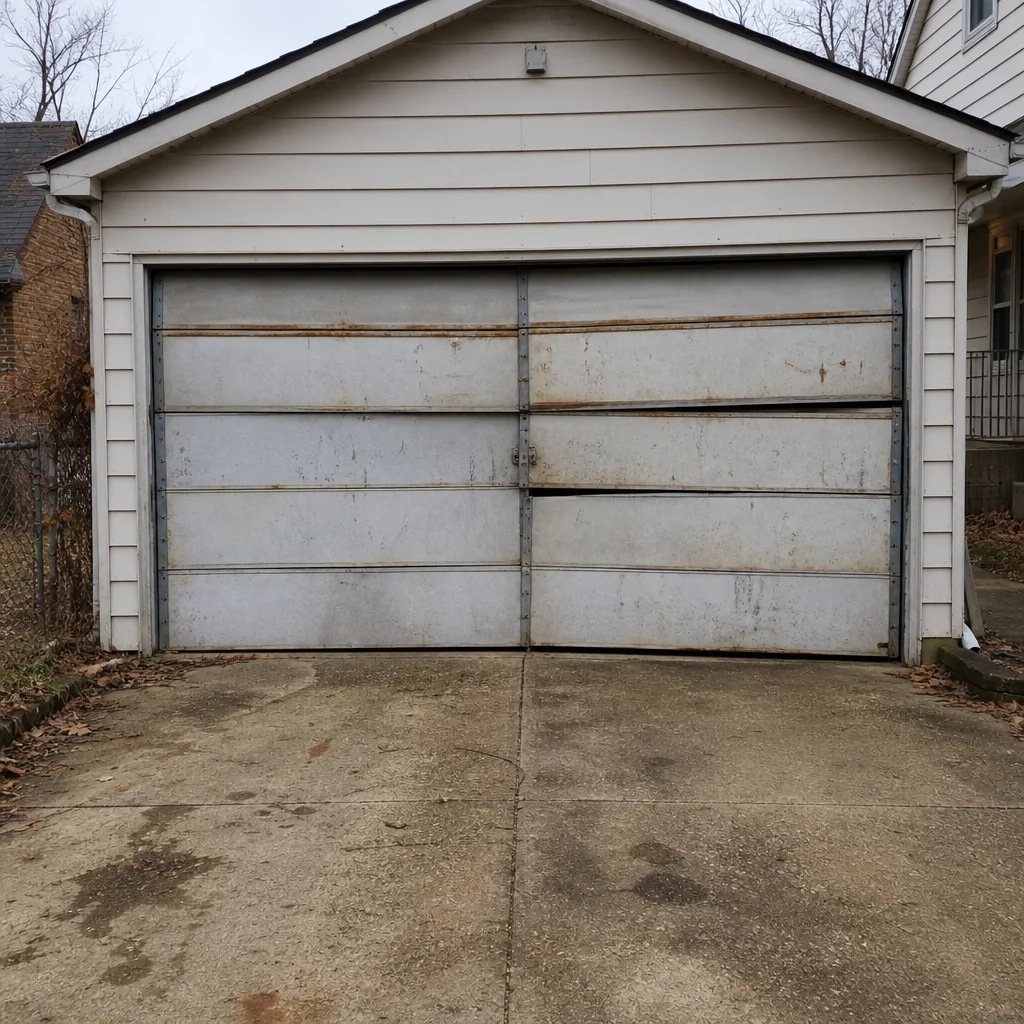 Before
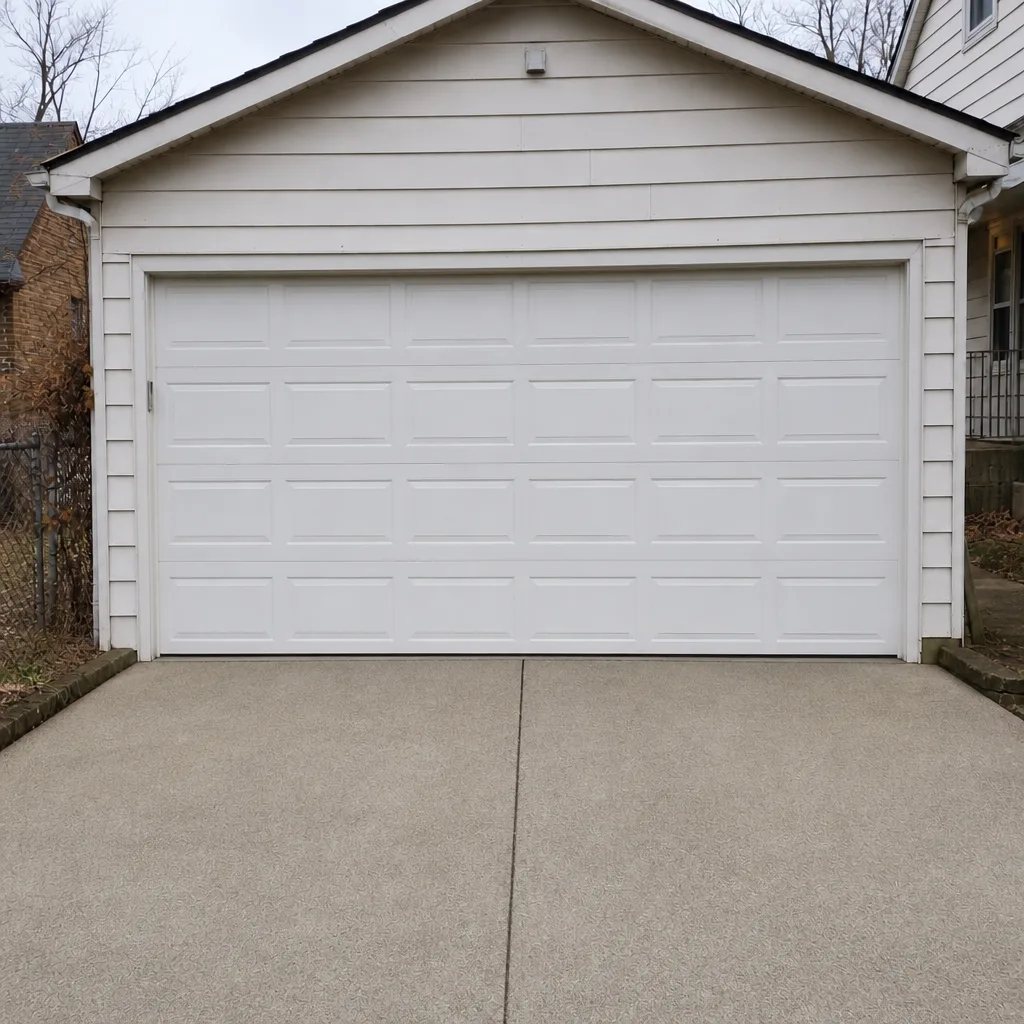 After
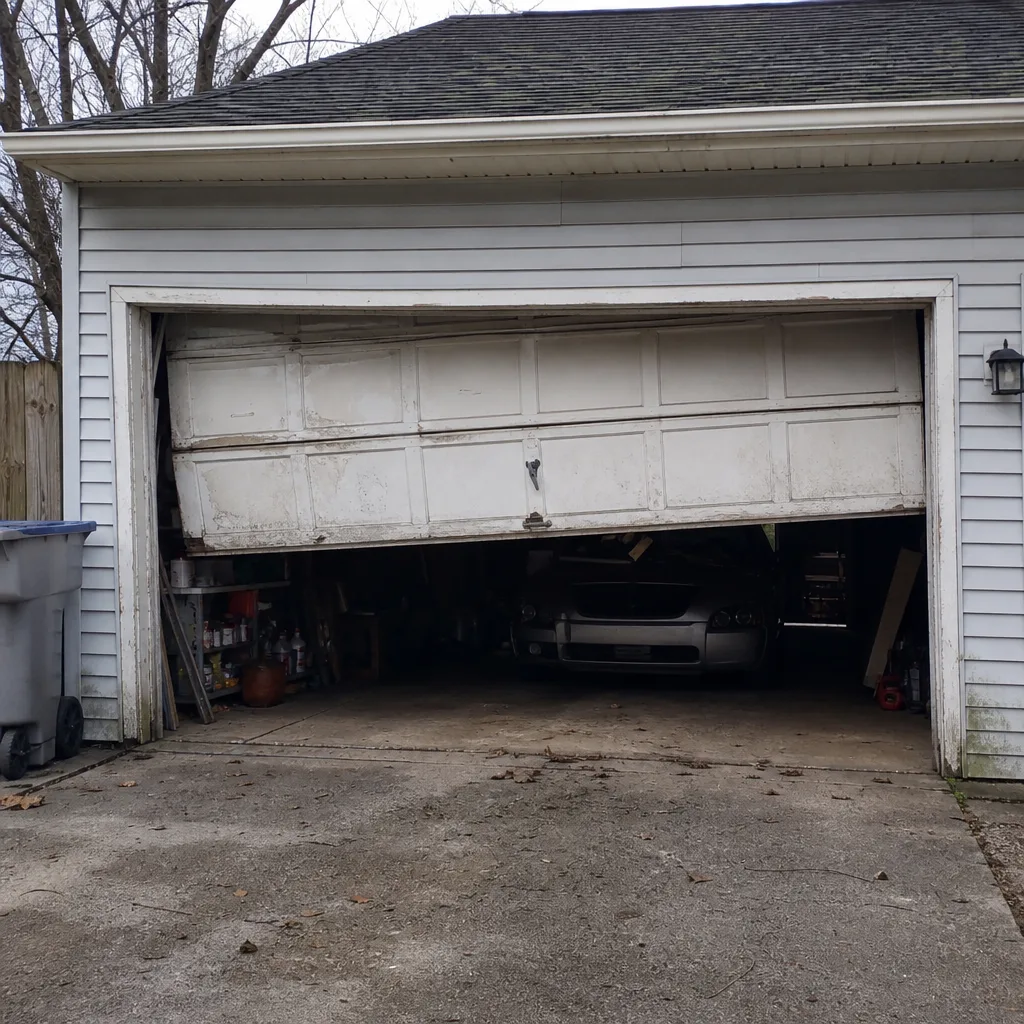 Before
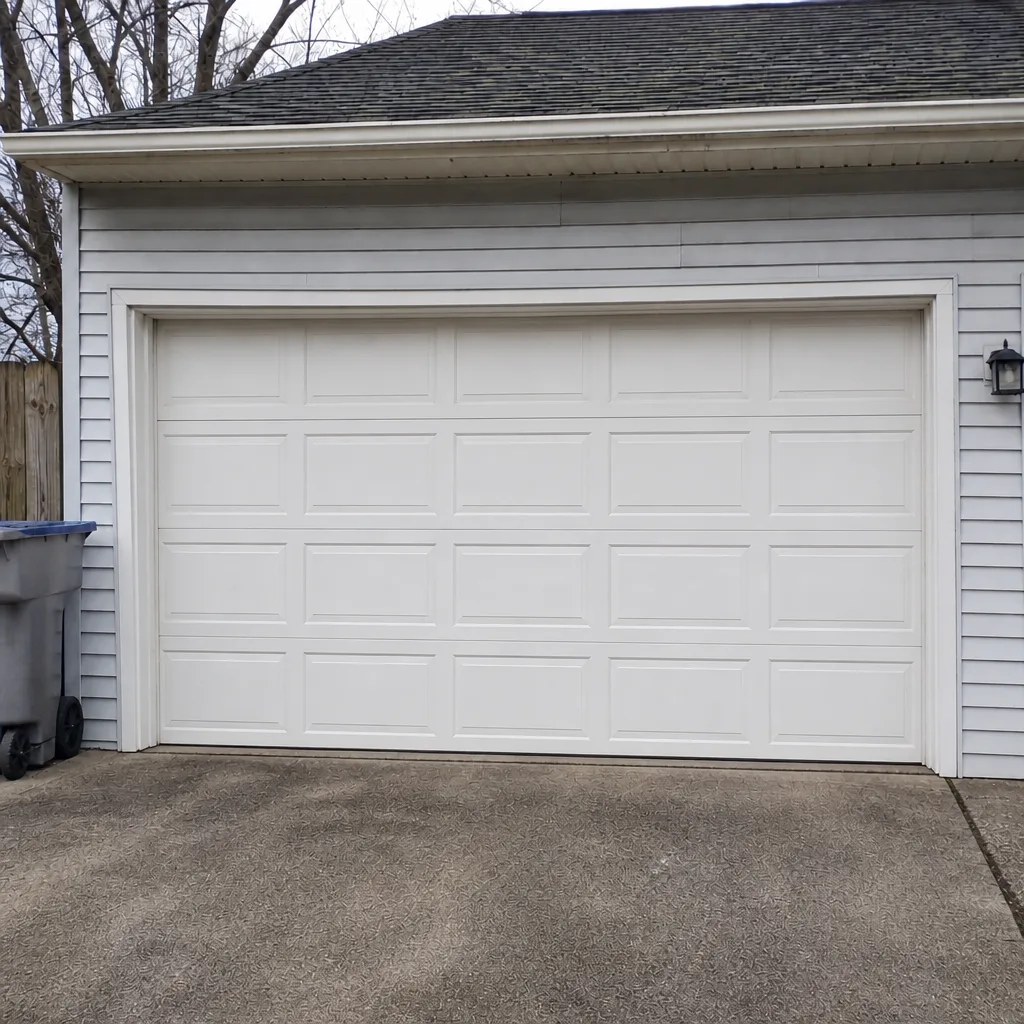 After
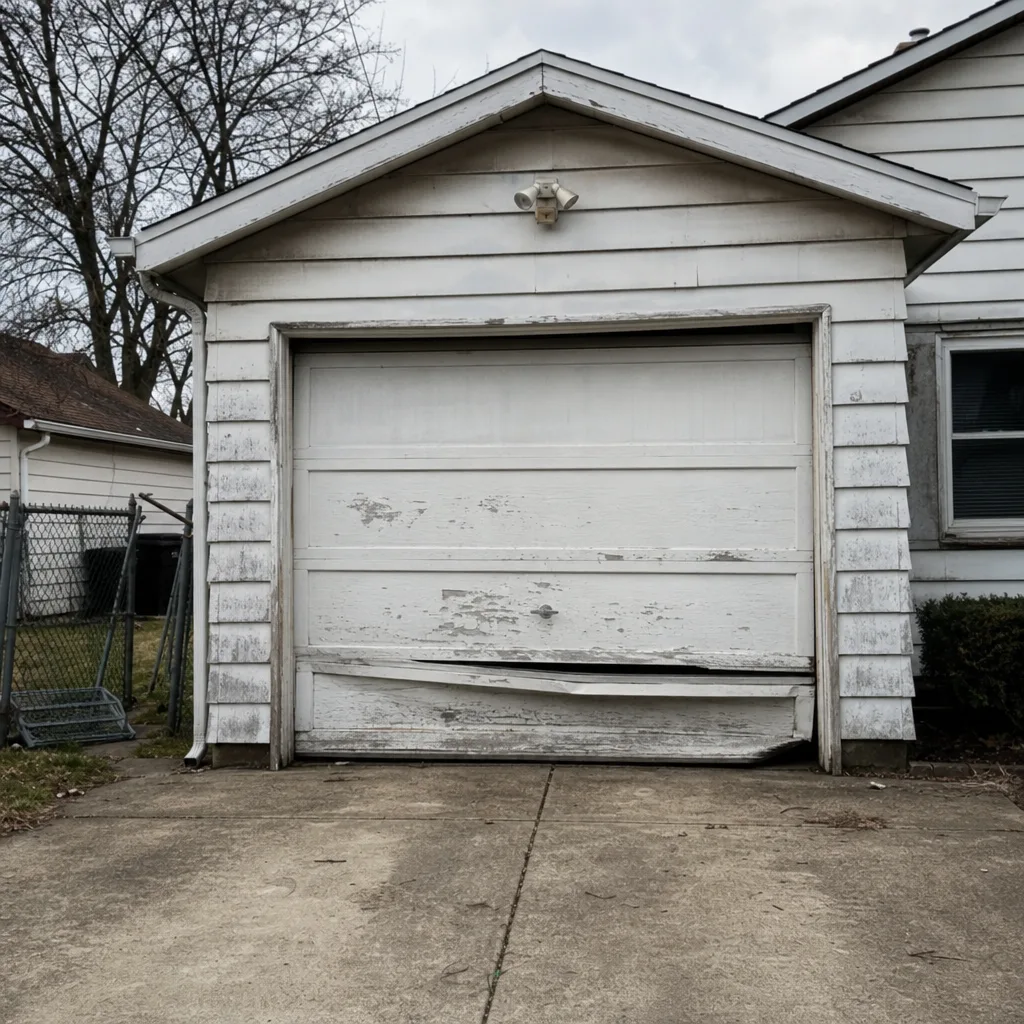 Before
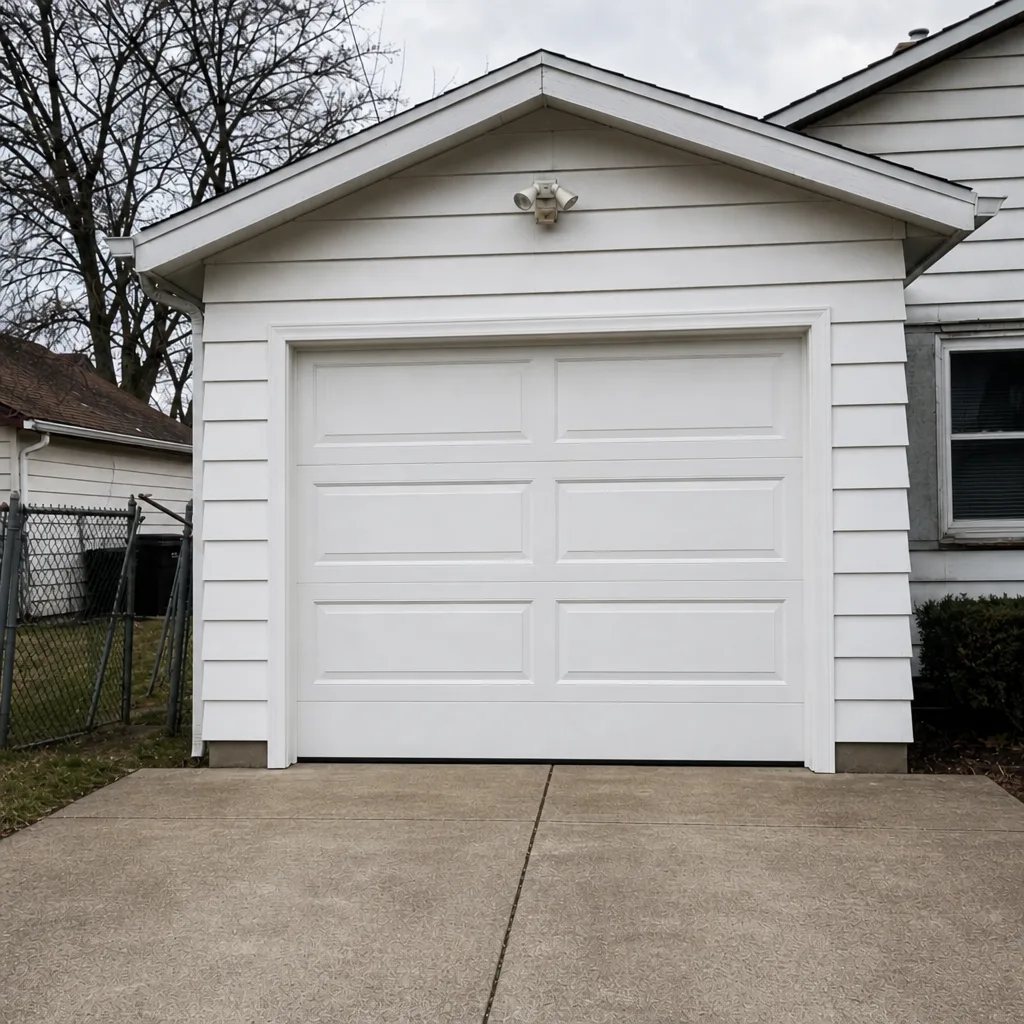 After
When to Call a Professional
Call us when the problem involves stored energy or heavy parts. That’s springs, cables, and track work, full stop. It’s also the right call when a door is off its track, when the opener is grinding or has stopped responding entirely, when a panel is damaged and needs replacement, and when a broken door is blocking the only way out of the garage. If you’re unsure, describe what you’re seeing and we’ll tell you honestly whether it’s a DIY job or one that should be handled by a technician.
Garage Door Repair Mount Washington offers free estimates in Mount Washington – call (866) 565-4809. The price is quoted and agreed before any work starts, and our technicians have up to 9 years of experience with the brands installed in this area.
Frequently Asked Questions
No, and we’d advise against it even if you’ve watched every tutorial. A torsion spring stores enough energy that a wrong move can cause serious injury, and the tools required are not sold to homeowners for that reason. Spring repair is a job for a trained technician, and it’s the one DIY question with a hard no.
Weatherstripping, bottom seals, lubrication, sensor alignment, remote programming, and visual inspections are all safe with basic tools. For anything involving springs, cables, tracks, or heavy panels, call a professional. If you can’t tell which category your problem is in, describe it to us and we’ll tell you straight.
Torsion spring replacement typically runs $180 to $340 for one spring, and matched pairs are usually replaced together at roughly twice that. The written estimate sets the final price, and it’s agreed before any work begins. Call (866) 565-4809 for an exact quote – estimates are free.
Cold thickens lubricant, stiffens seals, and puts extra strain on the spring and opener gear case. In Mount Washington’s winters, a marginal spring or a worn roller often becomes a failing one when the temperature drops. A pre-winter lubrication and inspection catches most of these before they become a call.
The estimate you agree to is the price. If the technician finds additional damage that changes the scope, they’ll explain it and you’ll agree on the new price before any work continues. There’s no scenario where the invoice exceeds a quote you haven’t seen and approved.
Yes. Door won’t open, door won’t close, broken spring, or door off track are all situations we handle as emergency service. Call (866) 565-4809 and describe what happened; a fast, accurate description helps us get the right parts on the first trip.
The Bottom Line
The DIY vs professional decision comes down to stored energy and weight. Weatherstripping, lubrication, and sensor alignment are safe tasks a careful homeowner can handle. Springs, cables, and track realignment involve force and mass that a tutorial can’t prepare you for. Your door configuration changes the details but not the line. Do the six-step first-look diagnosis before you call, use the cost table to weigh parts against labor, and treat a spring failure as a call-a-technician moment without debate. For everything else, Garage Door Repair Mount Washington offers free estimates and a written price before work starts – call (866) 565-4809.
Written by the team at Garage Door Repair Mount Washington.