Last updated November 20, 2026
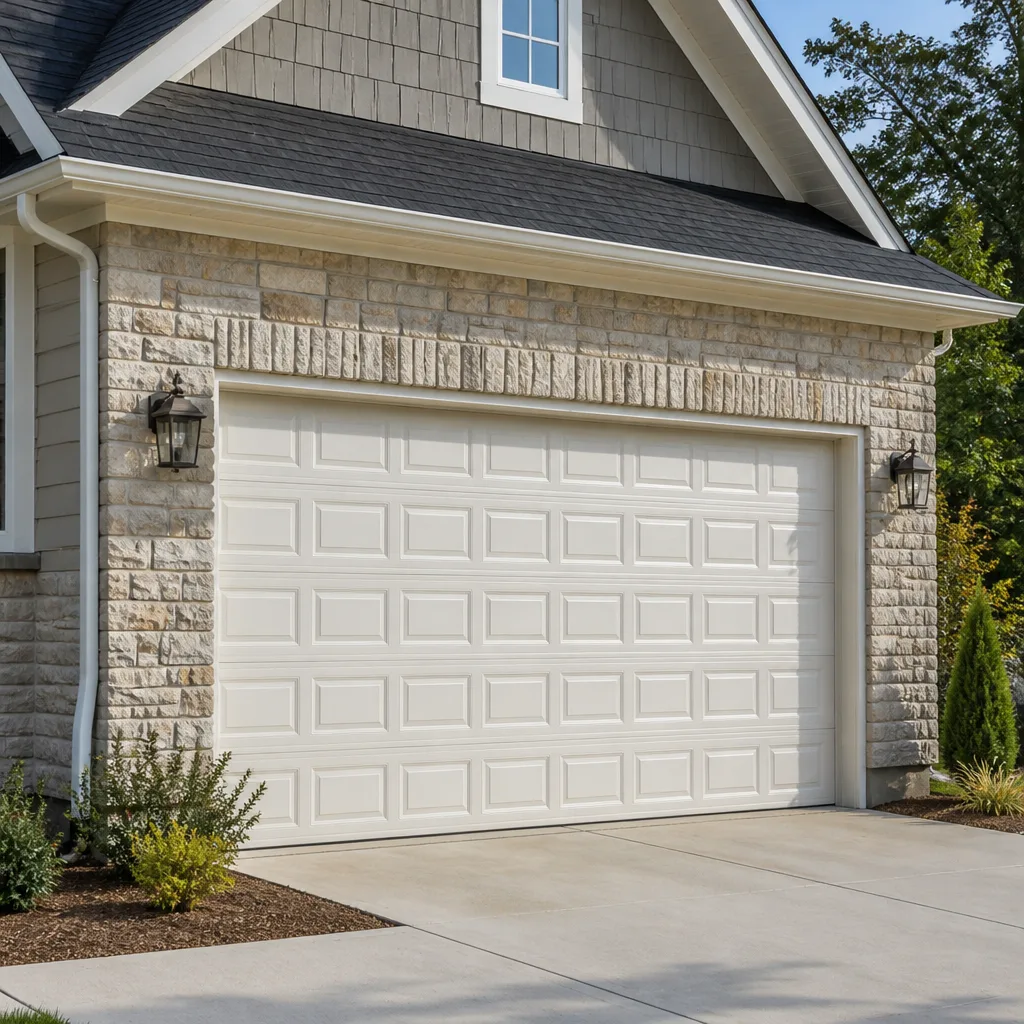 Raised-panel steel
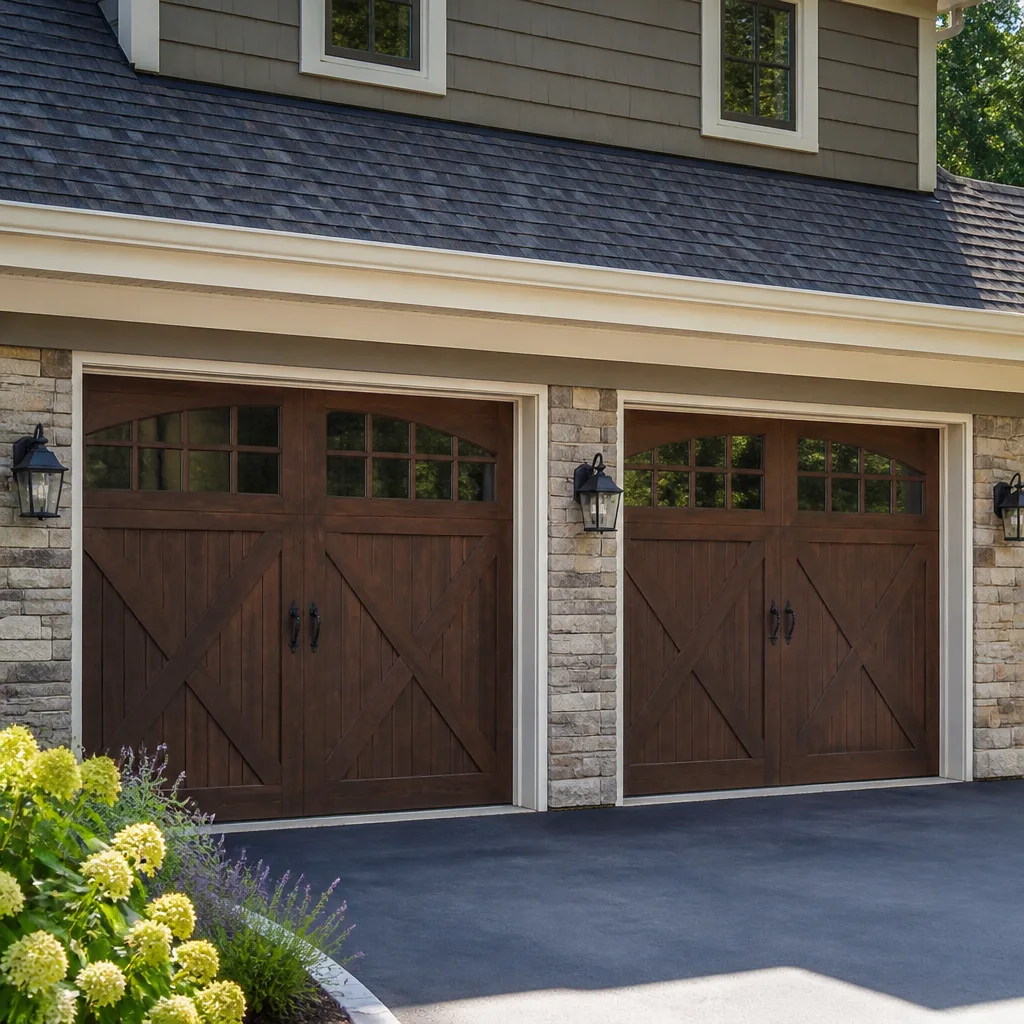 Carriage house
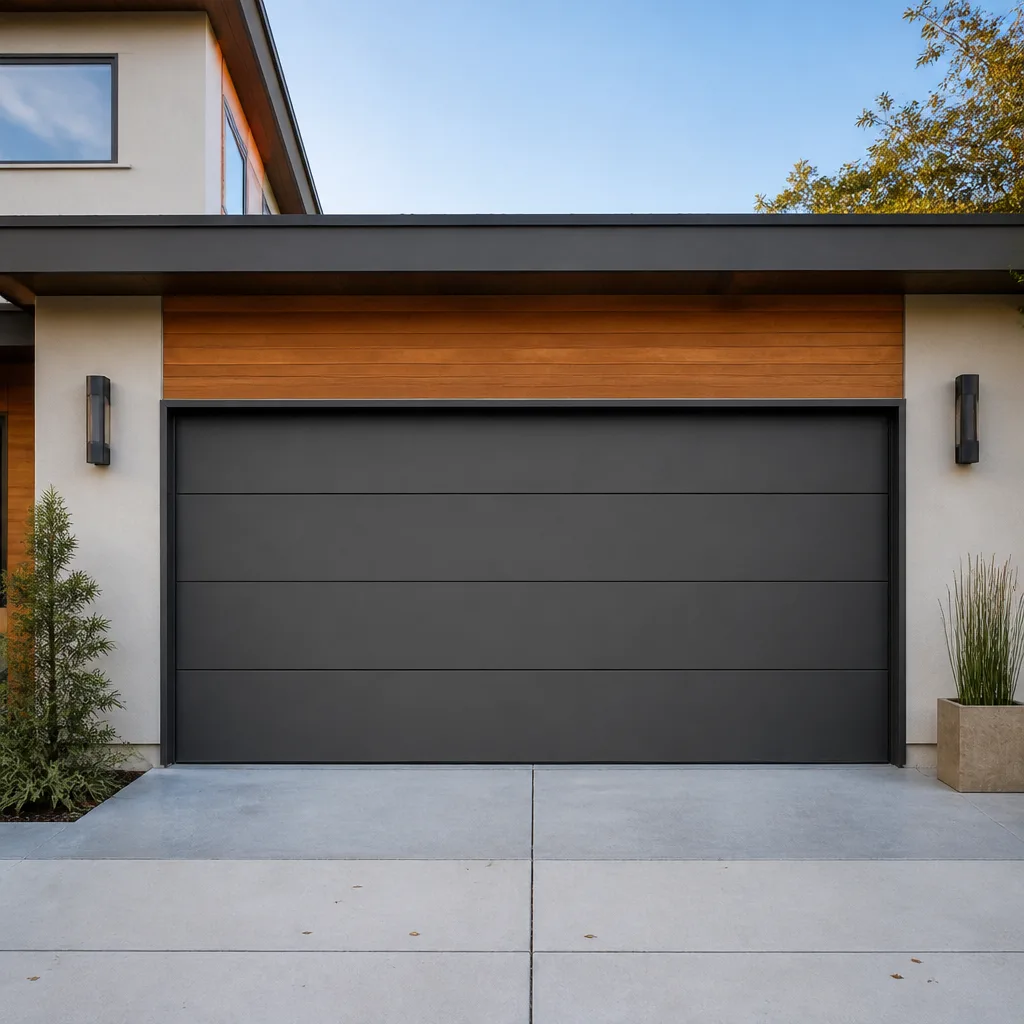 Modern flush
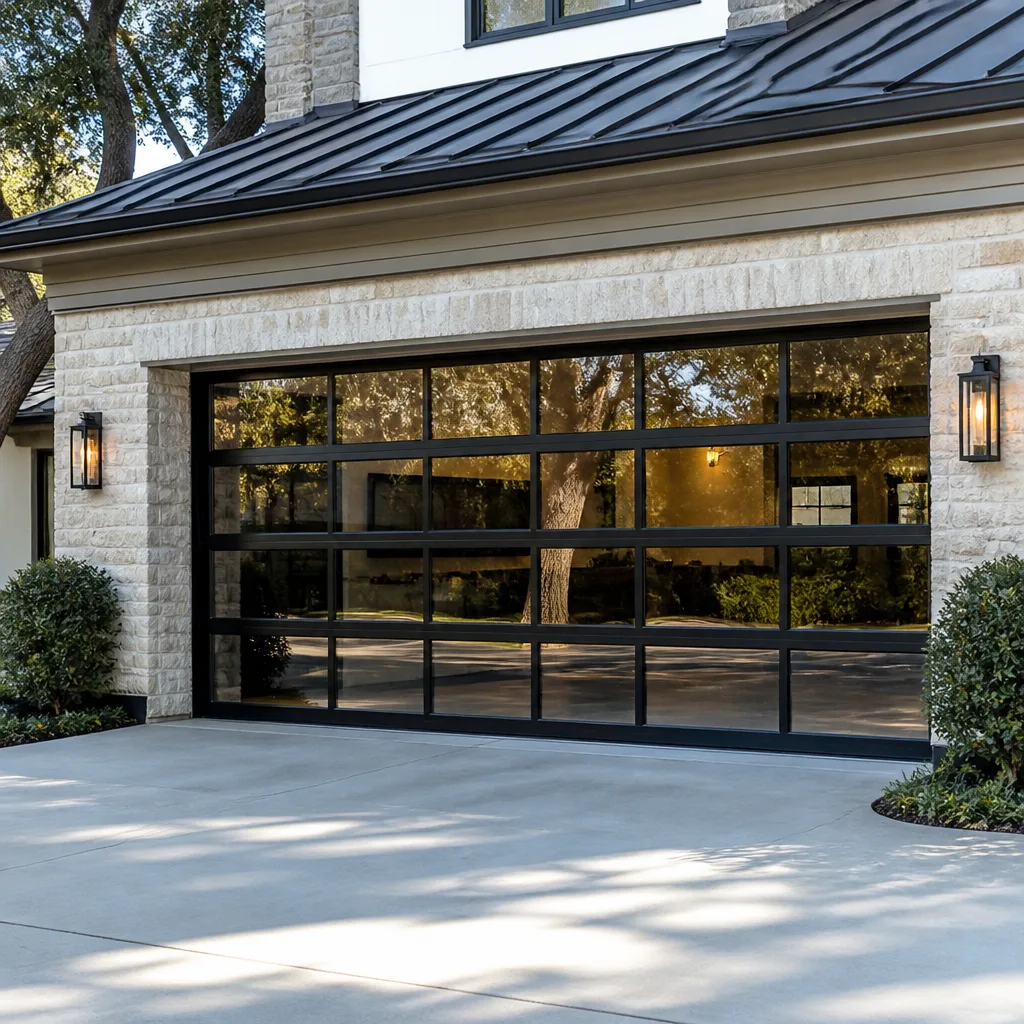 Full-view glass
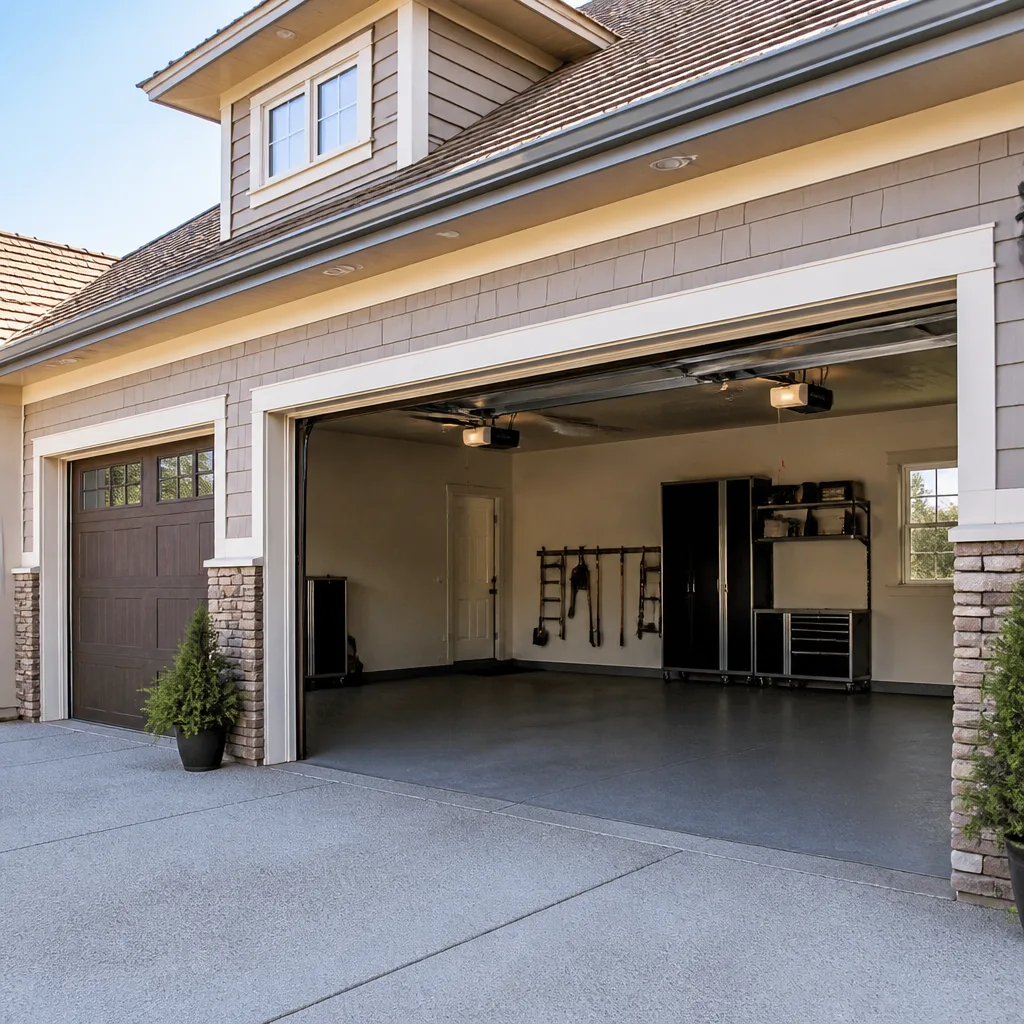 LiftMaster openers
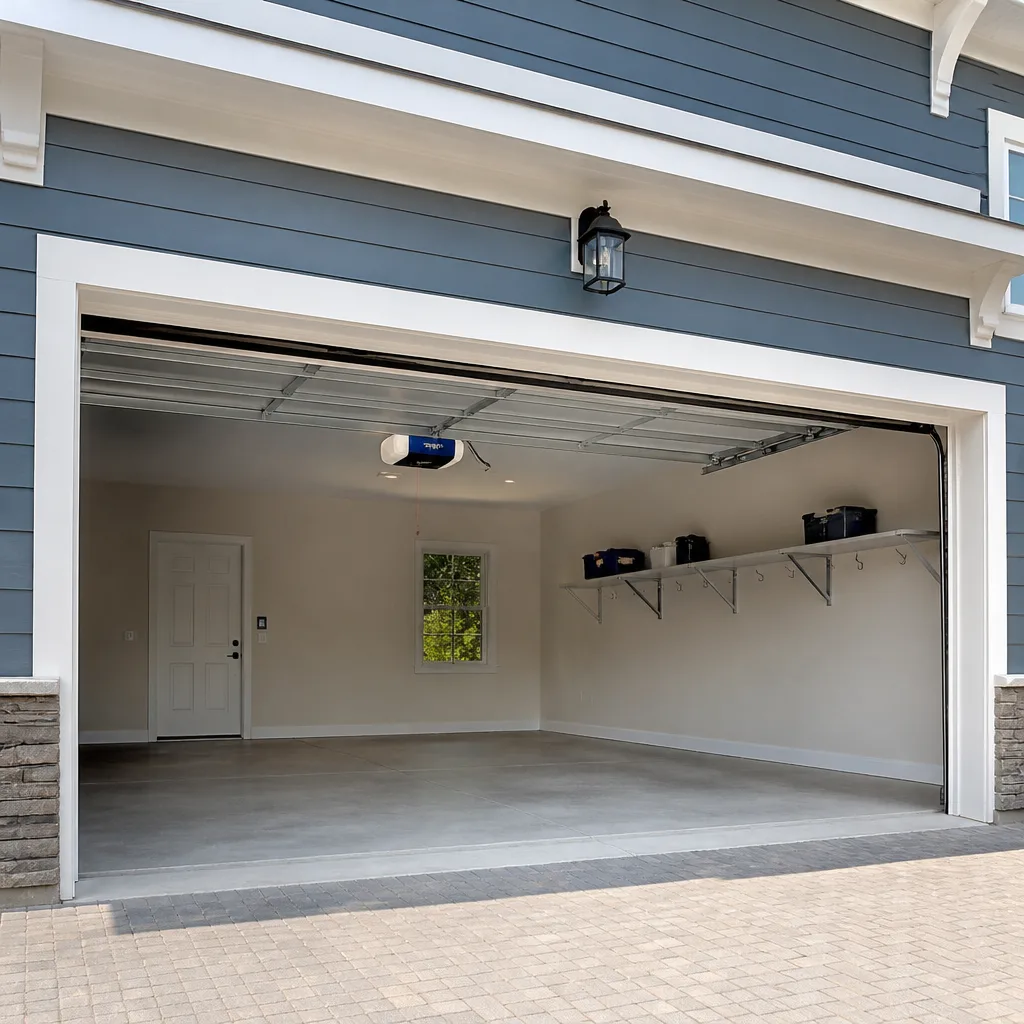 Chamberlain openers
Full 25-point door and opener safety check with every visit - springs, cables, rollers, tracks, and your LiftMaster or Chamberlain opener included
You get a price before we start. It does not change when the pro arrives.
Get your free estimateGarage Door Warning Signs: A Mount Washington Homeowner’s Reference Guide
A door that runs slow in the morning isn’t being stubborn. That sluggishness is a classic signal that spring tension is falling out of spec and the opener motor is quietly compensating for it, and every cycle it spends compensating shortens the motor’s life. Most garage door failures don’t arrive without warning. They arrive with warnings that get filed under “normal noise” or “it still works fine” until the day the door stops halfway and stays there. This guide maps each symptom to the component most likely generating it, so you can judge urgency yourself. We’re writing it from Mount Washington, where the freeze-thaw swing and the older housing stock make some of these signs show up faster than they do elsewhere.
Quick Answer
The warning signs that matter most on a garage door are a loud bang or popping from the torsion bar, frayed or kinked cables, a door that jerks or runs slow, and grinding or scraping sounds. Popping springs and damaged cables are a stop-use-immediately situation, while slow movement, vibration and remote trouble usually allow a scheduled appointment. A door that feels different to you is worth a call even if nothing looks broken, because the gut-check usually points at a real mechanical change.
Styles & brands we work with
- Raised-panel steel
- Carriage house
- Modern flush
- Full-view glass
- LiftMaster openers
- Chamberlain openers
Table of Contents
- The Symptom-to-Cause Index: What Each Sound and Sight Actually Means
- Visual Signs on Springs and Cables That Mean Stop Using the Door
- Opener-Side or Door-Side? The Disconnect Test
- Triage: Same-Day, Scheduled, or Safe to Handle Yourself
- “It Works, But It Feels Different”: Why That Inkling Is Worth Acting On
- How Mount Washington Seasons Stress a Garage Door
- Why Brand Familiarity Shortens Diagnosis Time
- What a Routine Check Actually Prevents
The Symptom-to-Cause Index: What Each Sound and Sight Actually Means
Garage doors are a small mechanical system with a short list of parts, and each part fails in a characteristic way. That’s good news for diagnosis: if you can describe the sound and the moment it happens, a technician can usually name the suspect before arriving. In our experience across Mount Washington, homeowners describe the same five or six sounds over and over, and they point at the same components every time.
- Loud bang from above, then the door won’t lift: almost always a broken torsion spring. The bang is stored energy releasing at once, not the door falling. Stop using the door.
- Rhythmic popping or clicking while the door travels: often a failing torsion spring winding down, or a roller with a flat spot binding in the track. Popping from the bar itself means spring.
- Grinding, low and rough, from the center of the door: metal-on-metal contact. Common sources are worn rollers, a dry or failing bearing plate, or a torsion bar rubbing where it shouldn’t.
- Scraping along one edge: the door is out of alignment or a track has bent, letting the edge drag against the frame or jamb.
- Rattling and shaking: loose hardware, worn hinges, or a door that has lost balance and is fighting the opener.
- Squealing or high-pitched shriek: usually a dry roller stem or hinge pivot. The least urgent sound on this list, and the easiest to keep from getting worse.
Two of these are urgent and four are not, which is exactly why the sound matters more than the volume. A soft scrape that reappears every cycle can mean a track is bending the door slightly out of square, and left alone it wears the panels as well as the track. Meanwhile a single loud pop is over in a second and demands immediate attention. Volume lies to you; pattern doesn’t. If you’re not sure which category you’re in, a quick call to garage door repair can settle it, and we’ll tell you honestly whether it can wait for a scheduled visit.
One note on where the noise comes from. The opener hangs from the ceiling and the springs sit above the door, so a sound you hear “in the middle” could belong to either system. Getting the location right matters: opener noise usually points at the motor unit or drive, while door noise tracks the panels, rollers and springs. The disconnect test below helps you separate them.
Visual Signs on Springs and Cables That Mean Stop Using the Door
A garage door spring or cable that’s about to fail can usually be spotted from the floor without touching anything. Look, don’t reach. These parts carry enough stored tension to cause serious injury when they let go, which is why spring repair is a job for trained technicians with proper winding tools. What follows is what to identify visually so you can judge urgency, not instructions for doing the repair yourself.
Springs: what to look for
- A visible gap in the coil. On a torsion spring above the door, a two-inch separation between coil sections means the spring has broken. The door may still lift if two springs were installed; don’t assume it’s fine.
- Stretched or gapped coils along the coil body on an extension spring running along the track. A spring that looks longer and looser than its neighbor is losing tension.
- Rust streaks and heavy corrosion concentrated in one section of the coil. Rust eats the wire diameter and creates a failure point.
- A torsion bar that looks off-level or a spring that has clearly shifted on its center bracket.
Cables: what to look for
- Frayed strands or a birdcage bulge in the cable drum area at the top corners. A cable that’s fraying is on its way.
- Cables hanging slack on one side while the other side is taut. That means the two sides aren’t sharing load, and the door is running crooked.
- A cable off its drum or wrapped over itself, which no amount of opener adjustment will fix.
If you see any of the spring signs, treat the door as out of service. Don’t open it manually to check further, and don’t let the kids use it. Lift one spring sign and you’ve got a safety problem, not a noise problem, and no amount of “it still goes up” changes that. In our experience around Mount Washington, the doors that fail hardest are the ones where a visible gap in a spring was ignored for a couple of weeks until the second spring carried the full load and gave out too.
Opener-Side or Door-Side? The Disconnect Test
You can tell whether a problem lives in the door or the opener in about two minutes, without tools, using the manual release. This is the single most useful check a homeowner can run, and it gets the right part looked at on the first visit instead of the second. Here’s how it works.
- Close the door fully and watch it settle. Note any noise or hesitation on the way down.
- Pull the red release handle. That disconnects the opener’s trolley from the door so the two operate independently.
- Lift the door by hand slowly to about waist height, then let go. A balanced door should stay put or drift slowly. If it drops, slams, or takes real effort to lift, the problem is door-side: springs, balance, rollers or track.
- Reconnect the trolley, then run the opener alone with the door released. If the motor grinds, strains, or the carriage moves roughly with nothing attached, the problem is opener-side.
- Reset the release and test once. If the door now behaves better disconnected than connected, you’re looking at a balance or spring issue that’s overloading the opener.
What the result tells you matters for scheduling. A door that won’t hold itself up usually means spring tension is off, and that’s a same-day conversation. An opener that groans with nothing attached is a motor or drive problem, and garage door opener repair covers that side of the system without a second contractor getting involved. If the door is heavy but the opener runs clean, you’ve confirmed the opener is doing extra work it wasn’t sized for, and that’s the fastest way to shorten a motor’s life.
Two caveats. If the door won’t lift at all by hand, don’t force it. Stop and call, because you may be fighting a jammed track or a broken spring. And if the door drops when you let go, keep hands and feet clear and let it settle; a heavy door on a worn spring can come down fast. A quick call to Garage Door Repair Mount Washington can confirm what you’re feeling before you poke at it further.
Triage: Same-Day, Scheduled, or Safe to Handle Yourself
Some warning signs mean pick up the phone now, some mean book a visit this week, and a few you can handle with a screwdriver. Sorting them correctly saves you both money and risk. Here’s how we categorize the signs we hear about from Mount Washington homeowners.
Same-day service territory
- A loud bang followed by a door that won’t lift. Broken spring.
- Frayed, slack or off-drum cables.
- A door off its track, crooked, or hanging at an angle.
- A door that closes on its own or reverses unpredictably: the safety reverse is compromised, and a door that won’t stop for a child is a hazard.
- Any door you can’t lift by hand when released, or that slams down.
Scheduled appointment territory
- Grinding, squealing or scraping that comes and goes.
- A door that runs slow but still completes its cycle.
- Vibration and shaking that’s gotten worse over a few weeks.
- A remote that works only up close, or an opener with a flashing error light.
- Routine lubrication, roller replacement, and balance checks.
You can likely handle this yourself
- Wiping and re-lubricating rollers, hinges and the torsion bar with a proper garage door lubricant. No loosening of springs or cables, ever.
- Replacing a remote battery or re-pairing a remote to the opener per the manual.
- Clearing debris from the photo-eye lenses at the bottom corners, and checking that they’re aligned.
- Tightening a visibly loose hinge bolt with the door down and power off. If you’re reaching for a wrench near a spring, stop.
The dividing line is tension. Anything that involves the springs, cables or track alignment is a trained-professional job, full stop. Anything that’s lubrication, remote pairing or photo-eye cleaning is yours to handle. And when you’re stuck between “it’ll wait” and “call now”, err toward calling. Our technicians have up to 9 years of experience and can talk you through what you’re hearing before deciding whether a visit is needed.
“It Works, But It Feels Different”: Why That Inkling Is Worth Acting On
The door opens and closes. Nothing’s broken, nothing’s loud, and you’d feel a little silly calling someone. That gut-check is doing real work, because it usually registers a change in how the door moves before anything fails. In our experience, homeowners in Mount Washington notice the difference weeks before a part gives out. They just don’t always trust the noticing.
Here’s what “different” usually means in mechanical terms. A door that used to glide and now needs a beat to start is fighting a spring that’s lost tension. A door that thumps at the bottom instead of meeting the floor evenly is out of balance. A door that shudders as it reaches the top or bottom is running against a worn roller or a track that’s drifted. A door that seems to hesitate at the same spot every cycle is binding, and the opener is compensating for it each time.
That last point is the one worth internalizing: when the door is out of balance, the opener works harder on every cycle. The motor isn’t built to lift the door, it’s built to guide it. Once it’s doing the lifting, it wears faster, the gears take more load, and the whole assembly ages out sooner. You may not notice a change in the door at all, but you’ll notice the opener failing months earlier than it should have.
So what do you actually do with a gut-check? Name what changed. “It used to close in one smooth motion and now it pauses at the top” is more useful than “it seems weird.” Then check the balance with the disconnect test, look at the springs and cables from the floor, and note whether anything else changed (weather, a recent power outage, a new noise). If one or more boxes are ticked, it’s worth a scheduled visit, and probably sooner than you’re inclined to wait. The cost of a tune-up is far less than the cost of a burned-out opener or a broken spring that takes out a cable with it.
A word about what “sounds different” can also mean: after a cold snap, the metal components tighten up and a door that was quiet all summer can start to tick. Some seasonal change is normal, and it usually settles. A change that doesn’t settle is the sign to pay attention to.
How Mount Washington Seasons Stress a Garage Door
Garage door parts don’t wear at a constant rate. They wear in the swing between seasons, and in Mount Washington the swing is sharp enough that the pattern is worth knowing. Cold snaps and warm spells push metal parts through hundreds of small expand-and-contract cycles, and each one works the hardware a little.
The torsion spring is the component that feels it first. Spring steel is cycling against its own tension every time the temperature moves, and cracks start at microscopic points where the wire was stressed. A spring that was fine in October can pop on the first genuinely cold morning of the year. That’s not a coincidence; it’s a scheduled failure. Meanwhile the rollers, hinges and torsion bar are losing lubrication faster in the dry indoor air of a heated garage, which is why squealing and creaking show up in the same season as the temperature swings.
The track is the other seasonal victim. Steel tracks expand and contract against the door frame at a slightly different rate than the wood or masonry holding them, and every shift puts a small amount of pressure on the mounting brackets. Over the course of a season, a track that was square can drift a fraction out of alignment, and a fraction is all it takes to make a door scrape. Doors that face west get the sun’s load on one side through the afternoon, which is why some Mount Washington homeowners find the left track is looser than the right after a hot summer.
What should you do about it? Check the door in the first cold week and the first hot week, not just when something feels off. Listen for new sounds, watch for hesitation, and look at the springs and cables. If you’d rather have it looked at, a scheduled garage door repair visit at the start of a season is the lowest-stress time to catch a problem. Same-day work is always available for urgent failures, and garage door installation is scheduled rather than rushed, so there’s no pressure to make the call at the worst possible moment.
Why Brand Familiarity Shortens Diagnosis Time
The sound a failing component makes is only half the story. The other half is knowing which parts and which control board that specific brand uses, and how its quirks show up. A door and opener pair is a system, and the big residential brands each wear in their own way. In our experience, an experienced technician who knows the family of opener in front of them can move straight to the likely cause instead of working through a checklist.
We’re factory-familiar with Craftsman and LiftMaster openers, which together account for a large share of what’s bolted to the ceilings in Mount Washington garages. A Craftsman that runs but doesn’t respond to a remote is usually a logic board issue, not a motor one. A LiftMaster that reverses unpredictably often points at the travel limits or the safety sensor alignment. Knowing which before you climb the ladder is most of the job, and it’s why the door and the opener get diagnosed together.
Door brands matter the same way. A Raynor and a Clopay door with the same trouble symptom can need different hardware and different spring specs, and ordering the wrong part puts a second visit on the calendar. That’s the main reason we’d rather have a brand name than a photograph when you call. You don’t need to know the model, just read the label on the opener or the door’s edge. It’s the fastest way to make sure the first visit is the only visit.
What a Routine Check Actually Prevents
The honest reason to catch warning signs early isn’t tidiness. It’s that a door failure is rarely a single part. A spring that loses tension makes the opener work harder; the opener working harder eventually takes out a gear, and the door left unbalanced puts load on the cables, which fray. One sign caught in time prevents the chain. Here’s what a routine check looks like in practice.
- Listen before you leave. One quiet full cycle up and down, once a week. Note anything that sounds new rather than looking for something wrong.
- Watch the balance. Run the disconnect test every month or two. The door should lift easily and stay where you leave it.
- Look at the springs and cables from the floor. Gaps, fraying, rust, slack: all visible without touching.
- Test the safety reverse. Lay an object in the door’s path and find out whether it reverses. If it won’t, that’s a same-day call.
- Lubricate the moving parts you can safely reach, and don’t touch the spring or cable hardware.
A routine visit catches what your eye and ear can’t: a bearing plate drying out, a roller with a flat spot, a torsion bar that needs a turn of adjustment before it causes a failure. That’s preventive work, not a sales conversation. When we spend a scheduled visit on a Mount Washington door, we’re looking to find the next thing to go before it goes, so the next emergency call comes later.
Common Mistakes to Avoid
- Treating a loud bang as nothing. A spring that pops and then “works anyway” is a broken spring being masked by its twin. The door is out of balance, and that’s a stop-use situation.
- Spraying lubricant on a spring or cable to quiet a noise. Lubricant doesn’t fix a tension problem. It masks the symptom that’s telling you to have it checked, and it doesn’t stop the part from failing.
- Forcing a door that won’t lift by hand. If it won’t rise, you may be fighting a jammed track or broken spring, and forcing it can bend panels or drop the door. Stop and call.
- Assuming the opener needs replacing when the door is the problem. A heavy door overloads a good opener and makes it look like the motor is dying. The disconnect test tells you which one to replace.
- Ignoring a track that’s drifted out of alignment. Sliding a door through a bent track wears the rollers and the panels, and the repair grows with each cycle. A five-minute fix becomes a hardware job.
- Putting off the safety reverse test. A door that won’t reverse for an object in its path is a hazard to people and pets, and it’s not something to get to eventually.
- Discounting a slow change in how the door feels. The gut-check usually points at a real mechanical shift, and the homeowner who acts on it spends less than the one who waits for the failure.
See the difference
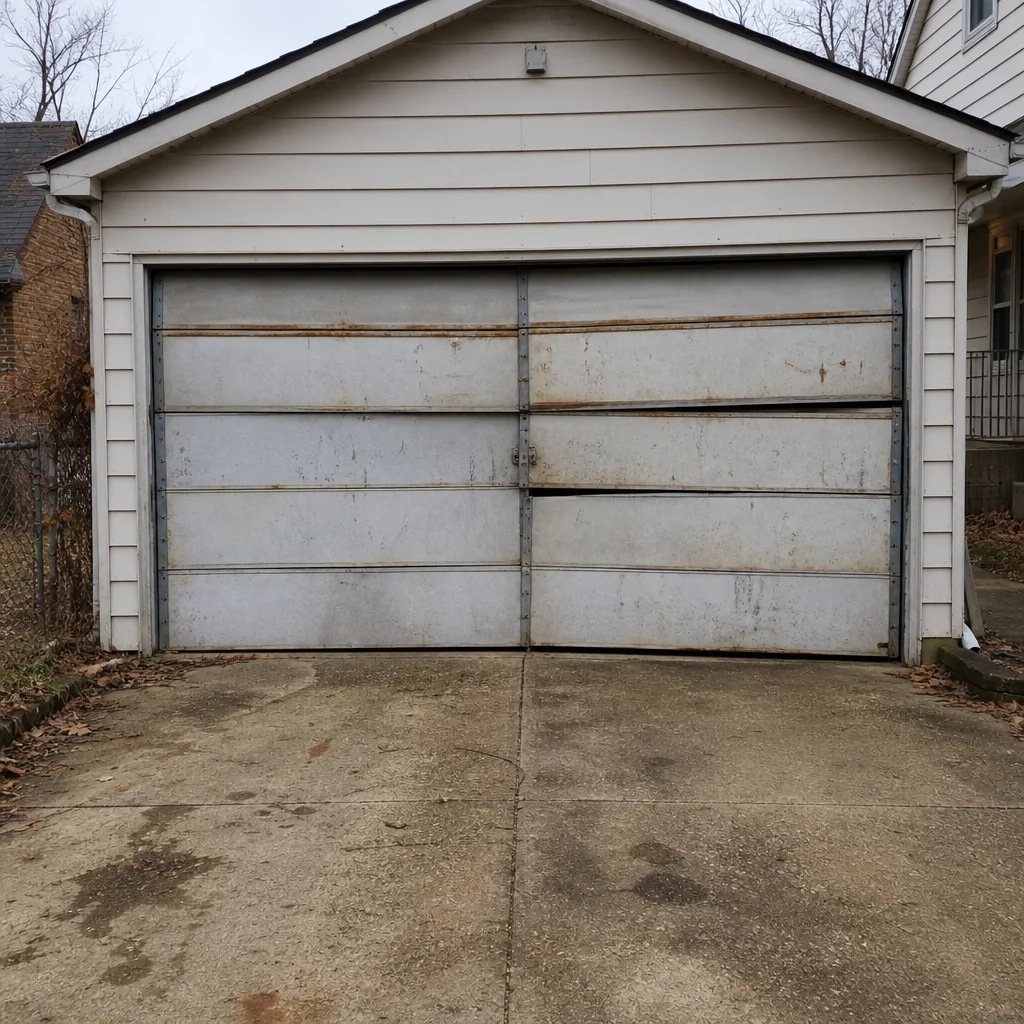 Before
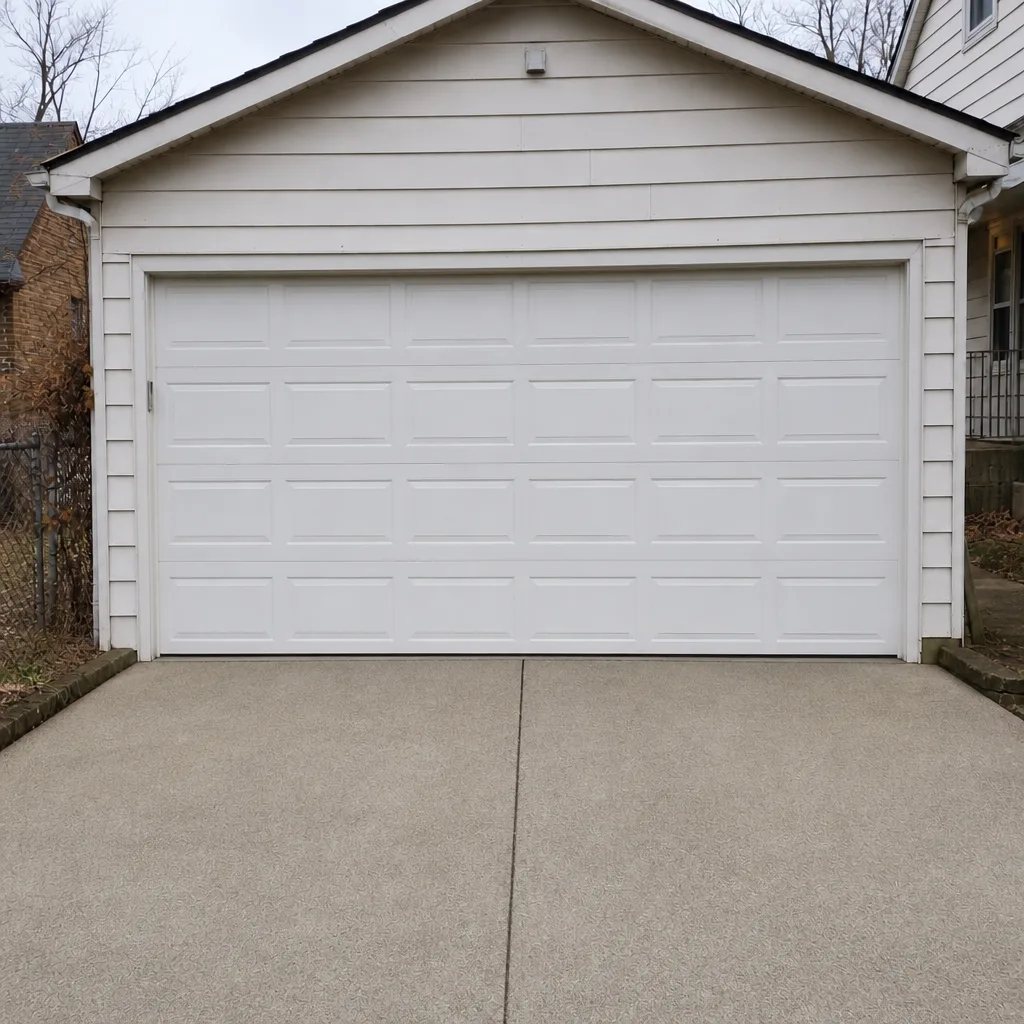 After
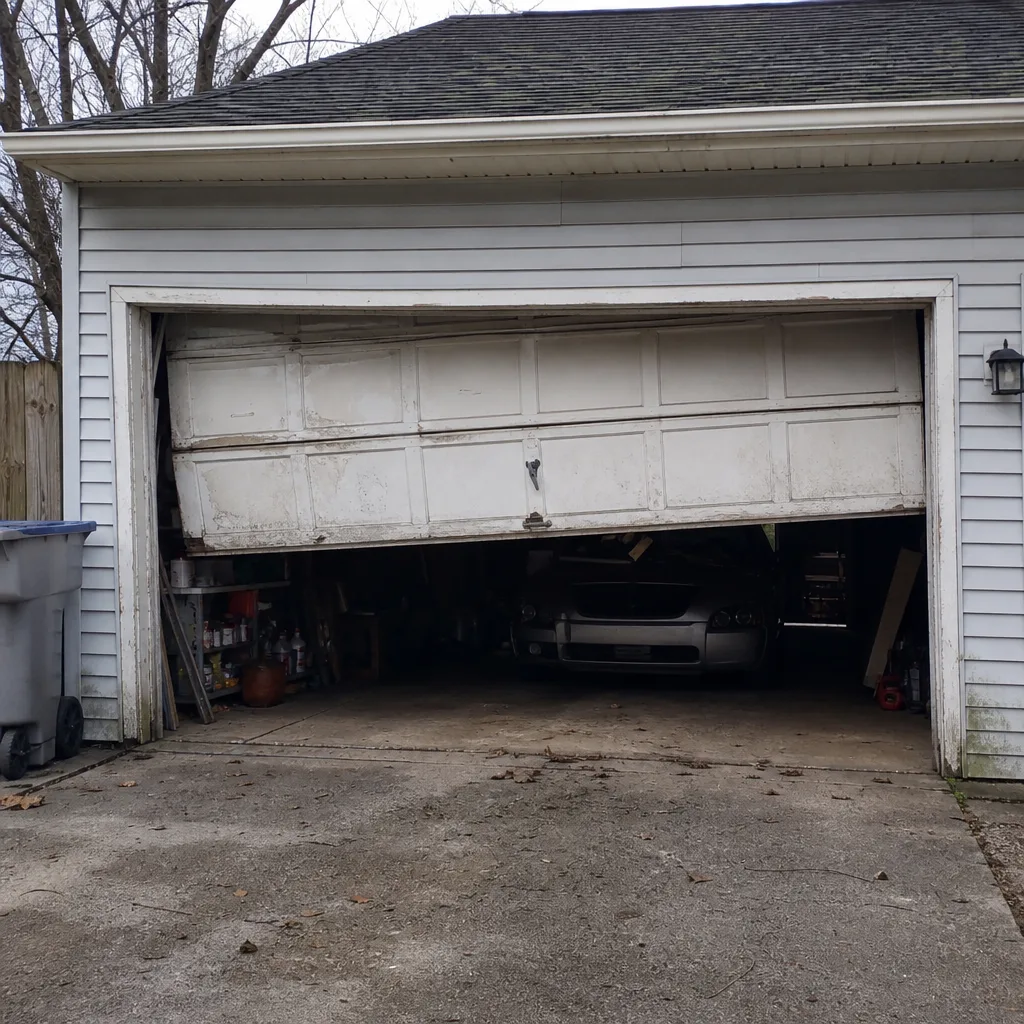 Before
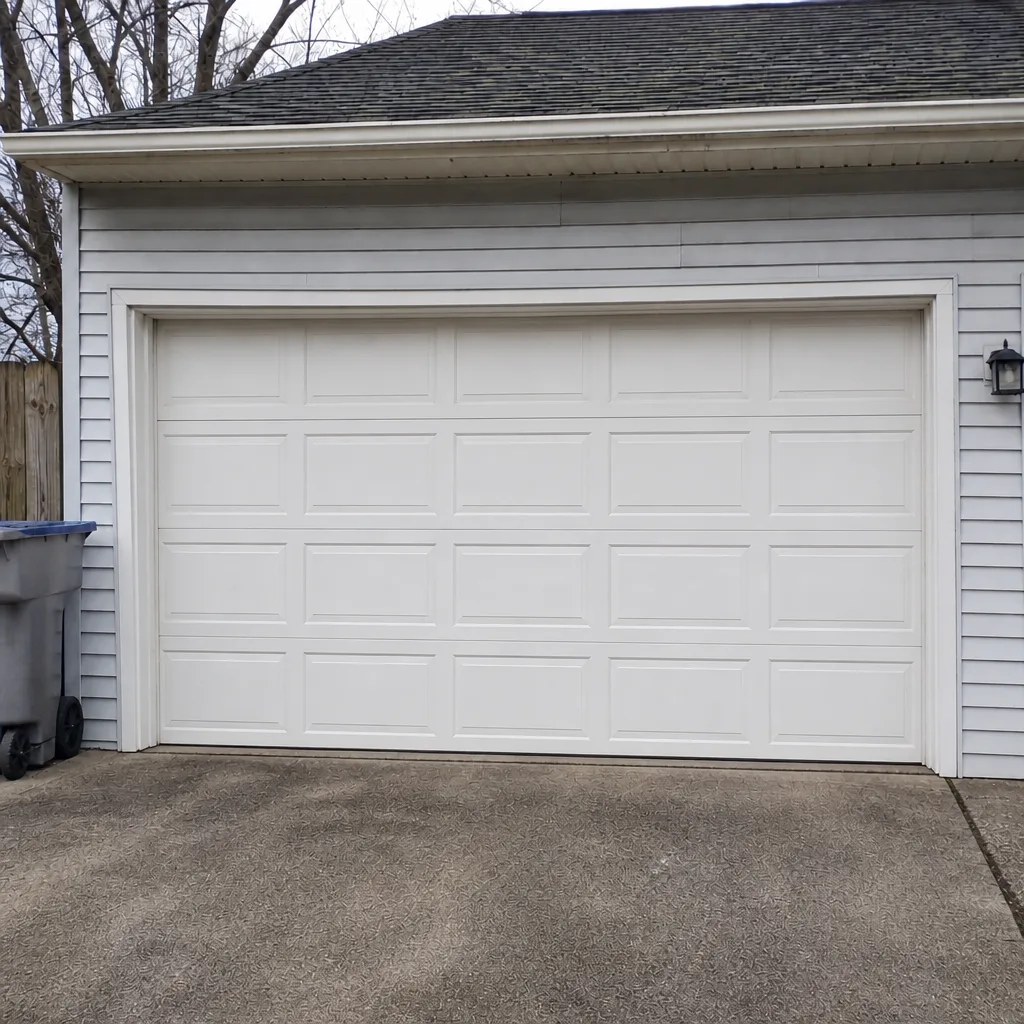 After
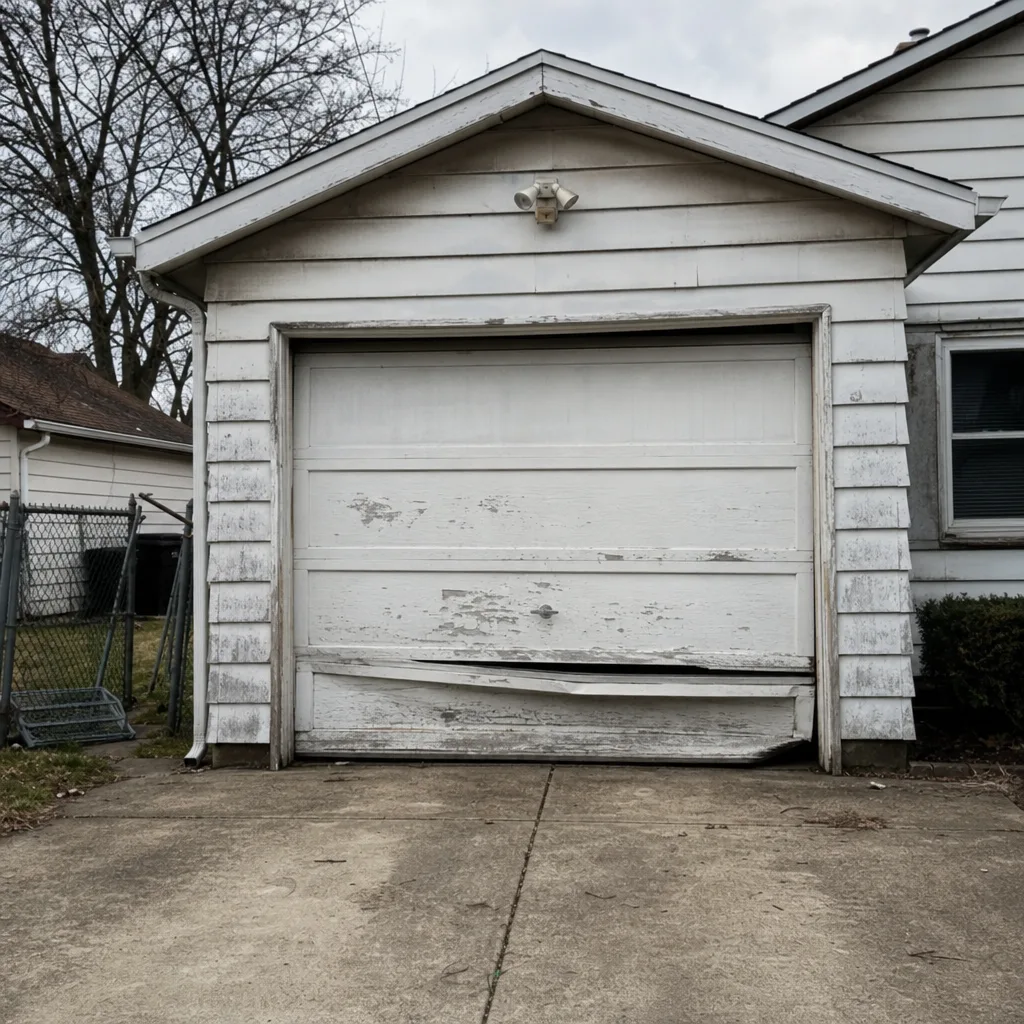 Before
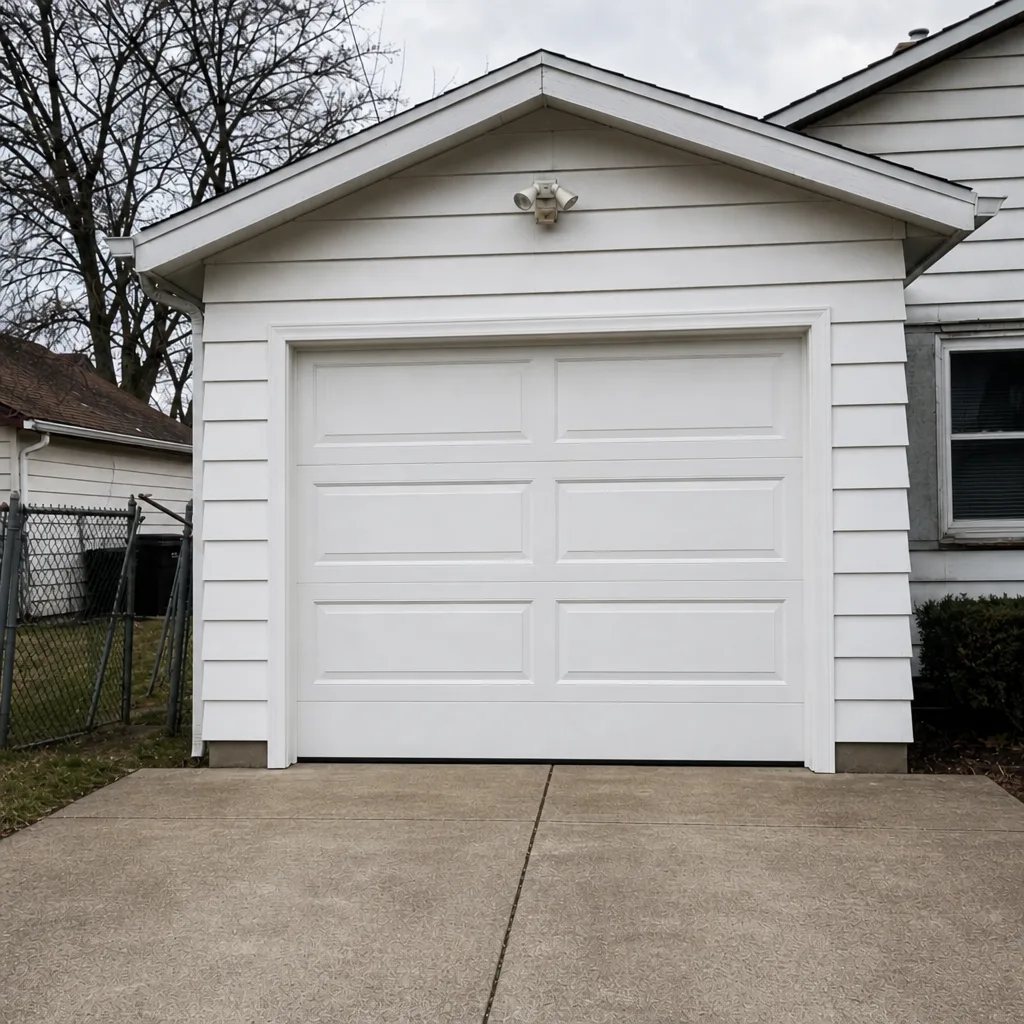 After
When to Call a Professional
Call us when you see a gap in a spring, when a cable looks frayed or slack, when the door won’t hold itself up, when it drops on its own, or when it scrambles down unevenly. Call when a loud pop is followed by a door that won’t lift, when the door has left its track, or when the safety reverse fails. Call when the door runs slow or jerks and the problem persists after a week. The 9 years of technician experience behind our calls means we can usually tell you the likely cause from a good description, and the visit gets the right part looked at the first time. When the door is out of balance, worn rollers or a drifting track wear the motor faster than it should, and fixing the cause is cheaper than replacing the opener.
Garage Door Repair Mount Washington offers free estimates in Mount Washington. Call (866) 565-4809 for a same-day appointment if the door is stuck or unsafe, or a scheduled one if the signs can wait. Either way, the price is quoted and agreed before any work starts, so you know what you’re paying before we touch the door.
Frequently Asked Questions
The most common signs in Mount Washington are a loud popping bang from above, a door that runs slow or jerks, frayed or slack cables, grinding or scraping during travel, and a safety reverse that won’t work. Springs and cables are the ones that need same-day attention, while slow movement and noise usually allow a scheduled visit. Call (866) 565-4809 for a free estimate and we’ll help you sort them.
No, spring repair isn’t a do-it-yourself job. A wound torsion or extension spring holds stored energy strong enough to cause serious injury if it releases unexpectedly, and winding requires specialized tools and training. A trained technician can replace and properly tension the spring in one visit. Call (866) 565-4809 for spring repair done safely and done right.
Pull the red manual release and lift the door by hand. If it’s heavy, drops, or won’t hold itself up, the problem is the door, usually spring or balance. If the door moves easily but the opener strains with nothing attached, the problem is the opener. Either way, a quick call to (866) 565-4809 will tell you which appointment you need.
A single spring repair typically runs in the $180 to $340 range in the Mount Washington market, and a matched pair, often replaced together, is roughly twice that. A technician confirms the right spring for your door’s weight and specifies the written price before starting. Call (866) 565-4809 for an exact quote, and estimates are free.
Treat a broken spring, a frayed or slack cable, a door off its track, a door that won’t hold itself up, or a failed safety reverse as an emergency. Those are safety issues, not inconveniences. Same-day emergency service is available for exactly these situations; call (866) 565-4809 and we’ll book you in.
Yes, it’s worth a visit. A change in how the door moves usually means spring tension, balance, or a worn component is putting extra load on the opener, and the opener wears faster when that happens. A scheduled check catches the cause before the failure. Call (866) 565-4809 for a free estimate and we’ll take a look.
The Bottom Line
Garage door failures announce themselves in a handful of recognizable ways: a bang, a pop, a grind, a fray, a door that drops or won’t hold itself up, a change in how it feels. The trick is mapping the sign to the part and the part to the urgency. Broken springs, damaged cables, doors off the track and failed safety reverse are same-day territory. Grinding, slow movement, vibration and remote trouble can wait for a scheduled visit. Everything involving spring and cable tension belongs to a trained professional, not a wrench. The next time the door tells you it’s tired, listen the first time. If you’re unsure what you’re hearing, call (866) 565-4809 and we’ll figure it out together.
Written by the team at Garage Door Repair Mount Washington.