Last updated November 20, 2026
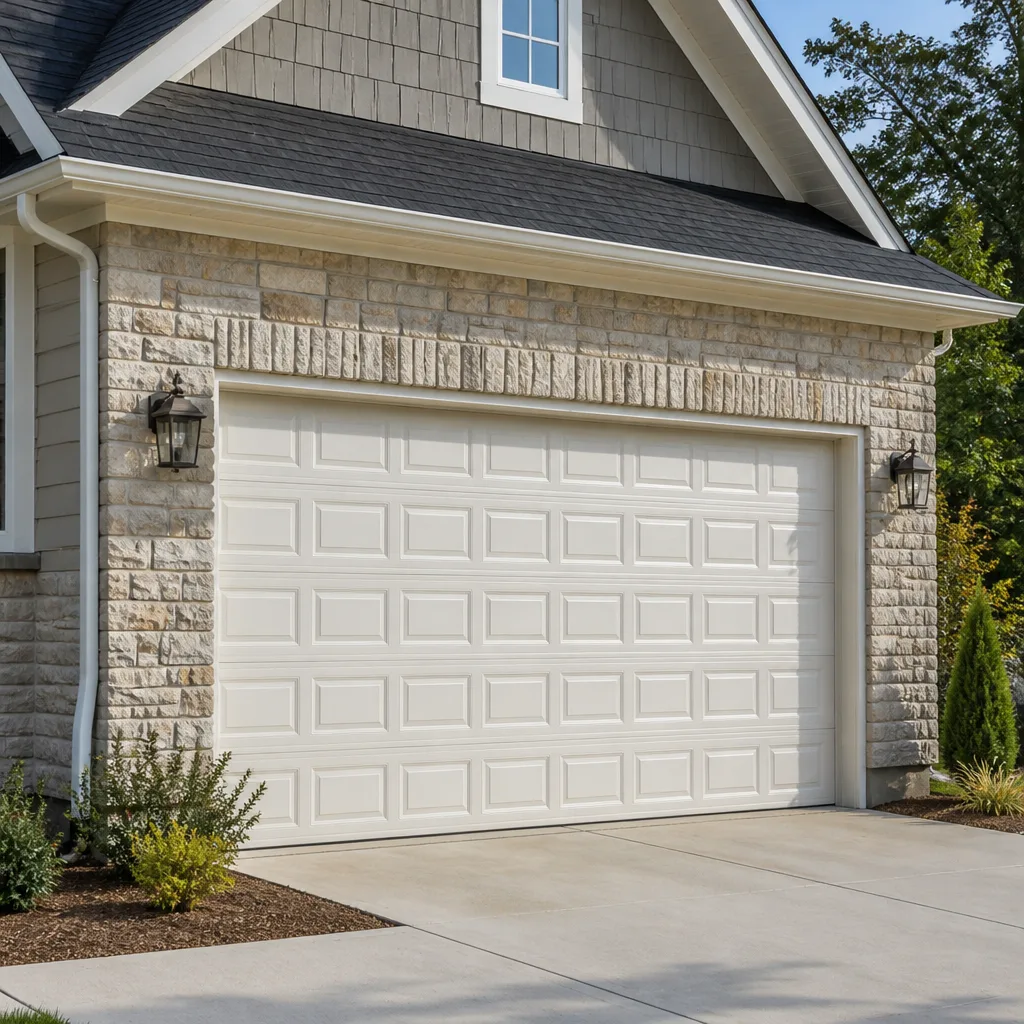 Raised-panel steel
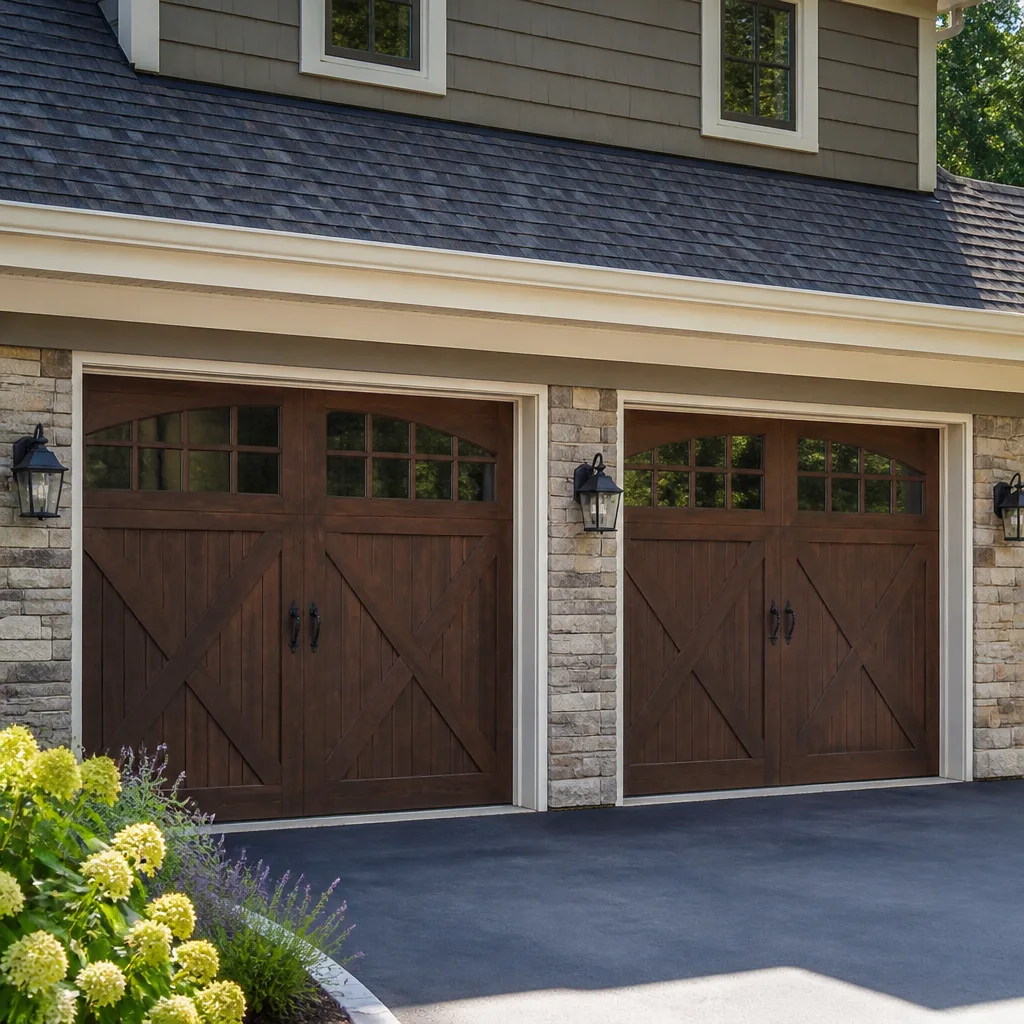 Carriage house
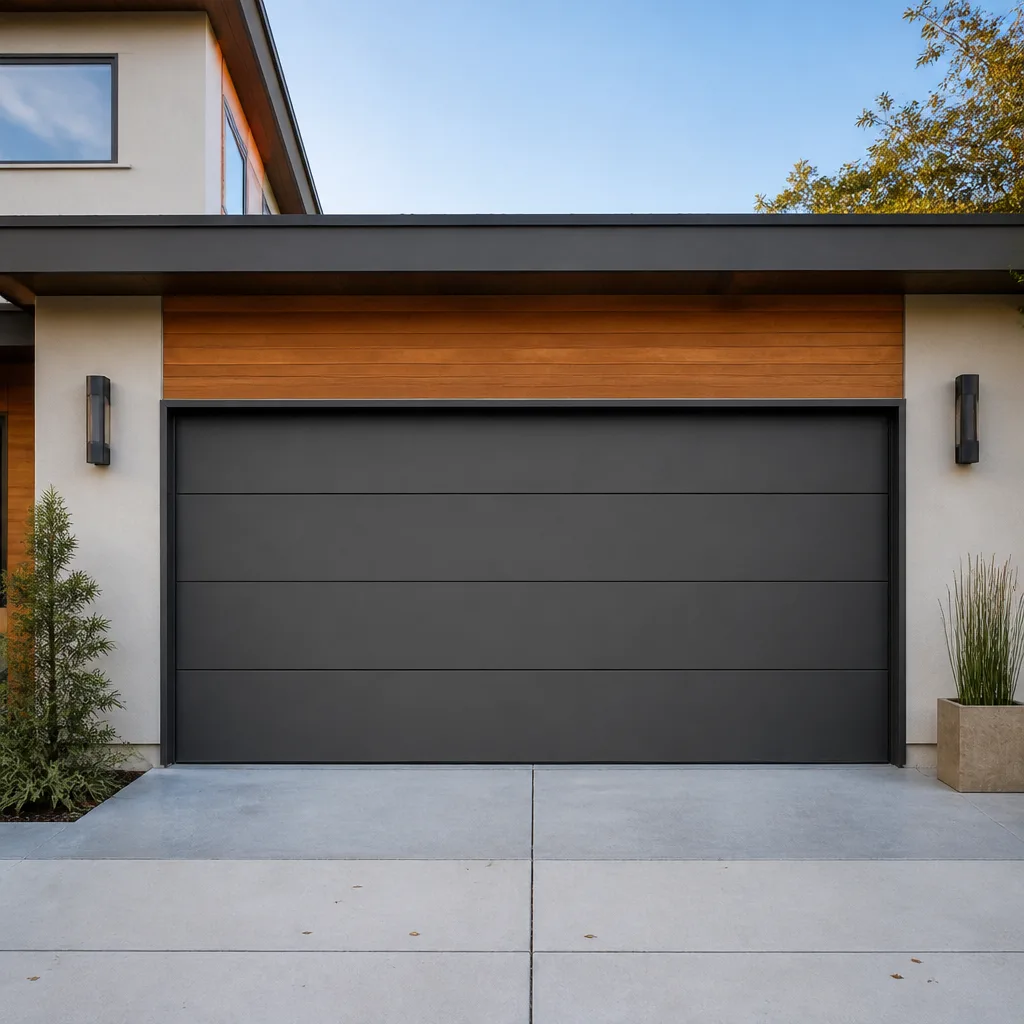 Modern flush
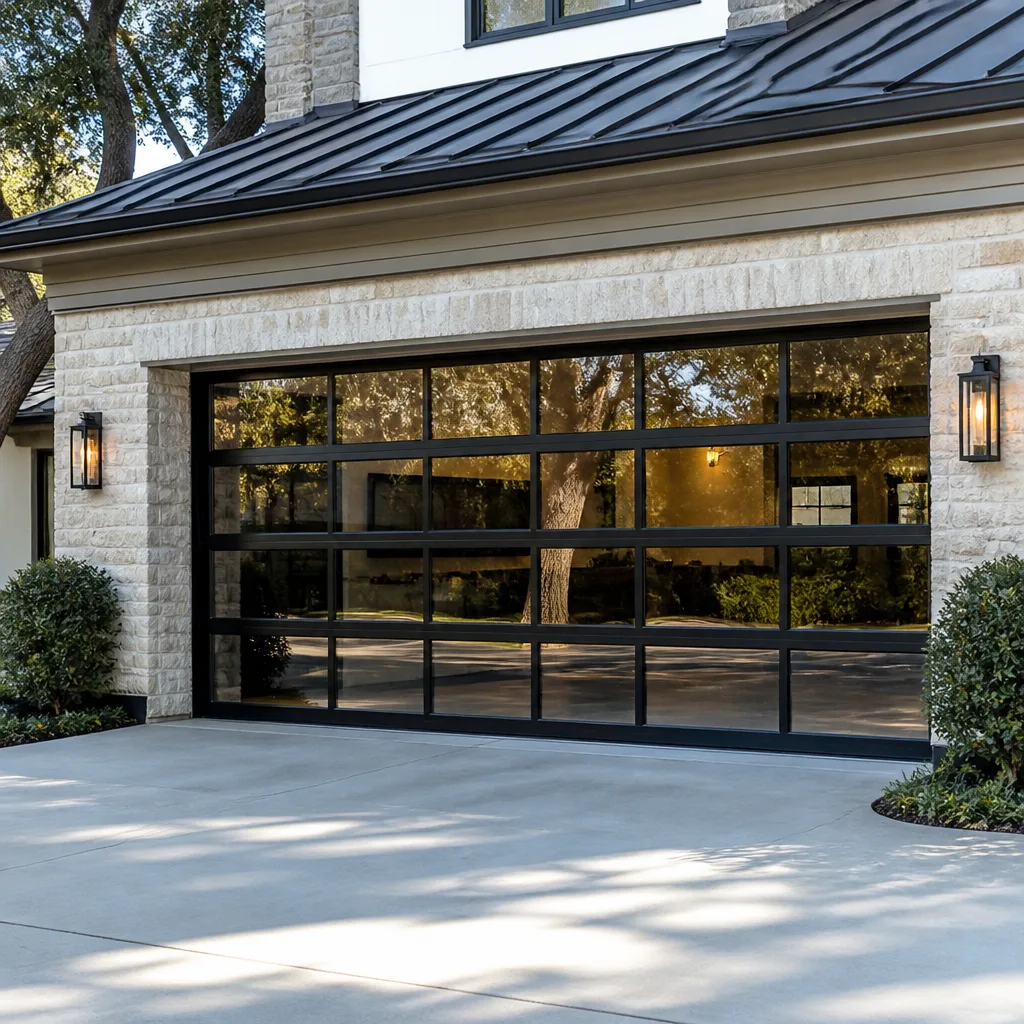 Full-view glass
 LiftMaster openers
 Chamberlain openers
Full 25-point door and opener safety check with every visit - springs, cables, rollers, tracks, and your LiftMaster or Chamberlain opener included
You get a price before we start. It does not change when the pro arrives.
Get your free estimateGarage Door Repair Maintenance Checklist for Mount Washington Homeowners
Most garage door maintenance advice stops at “lubricate the springs.” That single line causes more harm than good. Applying the wrong lubricant to torsion spring coils is one of the most common homeowner mistakes we see, because a heavy grease traps grit and holds moisture against the wire’s interior surface where you can’t see it, quietly speeding corrosion from the inside out. The springs fail sooner, and nobody knows why. This checklist is a working document, not a liability disclaimer. It tells you exactly which product goes on which component, where nothing should go at all, and which inspection steps catch most breakdowns before they strand your car. Everything here is written for Mount Washington homes and the seasons we actually get.
Quick Answer
A sound garage door maintenance routine covers four things: lubricating the right parts with the right product, testing the door’s balance and safety reverse, inspecting cables and fasteners for wear, and logging what you find. Do a light check monthly, a full checklist twice a year, and another pass after any hard winter or rough storm. Most failures give warning signs weeks before the door stops moving.
Styles & brands we work with
- Raised-panel steel
- Carriage house
- Modern flush
- Full-view glass
- LiftMaster openers
- Chamberlain openers
Table of Contents
- Which Lubricant Goes Where
- The Monthly Five-Minute Check
- How to Run a Valid Balance Test
- Inspecting Cables Most Homeowners Miss
- Fasteners That Vibration Loosens
- Opener and Safety Reverse Checks
- Keeping a Maintenance Log That Helps
- Seasonal Notes for Mount Washington
Which Lubricant Goes Where
Here’s the fact that separates a useful checklist from a harmful one: not every moving part wants grease, and the springs want less than you think. This is the single biggest source of preventable wear on a residential door, and it’s why we lead with it on every Mount Washington maintenance call we take.
- Torsion springs and extension springs: a light coat of garage-door-specific lubricant or a lithium grease in a spray can, applied thinly and wiped. Never pack grease into the coils. A film is enough. Excess product collects dust, and dust plus moisture is what corrodes the wire.
- Hinges, rollers, and the roller stems: a silicone-based spray or a lithium grease. Silicone is the safer default because it doesn’t attract grit the way heavier grease does.
- Tracks: nothing. Tracks should stay clean and dry. Grease in a track turns into a paste that grabs the rollers and makes the door drag.
- Weatherstripping and the bottom seal: a silicone spray keeps the rubber supple. Petroleum-based products break rubber down.
- The opener rail and chain: a purpose-made chain and rail lubricant, or the manufacturer’s recommendation in the manual. A rayon or Amarr door with a chain-drive opener is a common setup here, and the rail gets ignored until the door starts to shudder.
- The photo-eye lenses: a dry cloth, nothing wet. Smudged sensors are a frequent cause of a door that reverses for no apparent reason.
One more caution: keep all lubricant off the springs’ anchor points and off the cable itself. Cables are wound under tension and a greasy cable attracts abrasive grit between the strands. If you’re not sure which product a component calls for, the manual beats guesswork every time.
The Monthly Five-Minute Check
A five-minute walkaround once a month catches most of what turns into a repair bill. You’re not fixing anything here. You’re looking, listening, and noting. Do it with the door closed first, then cycle it once and watch.
- Listen to the cycle. A door that runs quietly one month and grinds the next is telling you something. Note any new rattle, squeal, or hesitation at the start or end of travel.
- Look at the springs. A torsion spring with a visible gap in the coil has broken. Stop using the door and call for garage door repair. Do not try to wind or unwind it yourself.
- Check the rollers. Wobbly, chipped, or flat-spotted rollers drag and wear the track. Note their condition.
- Run a finger along the bottom seal. Cracked, brittle, or torn rubber lets in drafts and water. It’s one of the cheapest parts to replace and one of the most ignored.
- Test the safety reverse. Put a box or a piece of wood in the door’s path and close it. The door should reverse on contact. If it doesn’t, stop and get it looked at before anyone uses the door again.
That’s it for a month. Write down what you noticed. A short note now saves a technician guesswork later, and in our experience the homeowners who log their checks get faster, more precise answers when something finally goes.
How to Run a Valid Balance Test
The balance test tells you whether the springs are still carrying the door’s weight properly. A door out of balance strains the opener, wears the springs faster, and can drop suddenly. Most people do the test wrong, so here’s how to make it count.
Disconnect the opener first, using the manual release cord. With the door closed, lift it by hand to about halfway, then let go. A properly balanced door holds roughly where you leave it. Now here’s the part people miss: run the test at several heights, not just one. Lift the door to knee height, then waist height, then shoulder height, releasing each time. A door that holds at one height but drifts down at another is out of balance, even if it looks fine at a glance.
What the results mean:
- Holds position at every height: balanced. No action needed.
- Drifts down slowly at one height only: often a minor adjustment to spring tension or track alignment. Worth a service call, not an emergency.
- Drops quickly or won’t stay up at all: the springs are fatigued or broken. Stop using the door. This is a safety issue, not a tune-up.
- Feels heavy to lift: the springs aren’t doing their share of the work. The opener is compensating, and that shortens its life.
If your test points to a genuine imbalance, that’s the moment to book a check rather than keep cycling the door. Springs are under extreme tension and are not a do-it-yourself item.
Inspecting Cables Most Homeowners Miss
Cables are the most overlooked wear item on a garage door because they’re partly hidden behind the springs and drums. A frayed cable can snap, and a snapped cable is a genuine hazard. You’re looking for warning signs, not repairing anything.
With the door closed and the opener disconnected, look along each cable where it’s visible. What to check:
- Broken strands. A cable that’s supposed to be smooth but has a fuzzy or frayed spot is weakened. Even one broken strand matters.
- Kinks and bends. A cable that’s kinked rather than running straight has been stressed.
- Rust. Surface rust on the cable is a sign moisture is getting in, and rusted cables fatigue faster.
- Sagging or slack. A cable that hangs loose when the door is closed may be off its drum.
- Uneven drum wrap. The cable should wind cleanly on the drum. If it’s crossed or bunched, stop and get it looked at.
If you spot any of these, don’t operate the door. Cables carry the same tension as springs, and a failure can be violent. This is a professional job, and it’s the kind of thing we handle as part of a normal service call rather than a separate visit.
Fasteners That Vibration Loosens
Every door cycle sends a small vibration through the whole assembly. Over thousands of cycles, specific fasteners work loose, and loose fasteners cause the rattles and misalignment that lead to bigger problems. Knowing which ones to check is most of the battle.
- Hinge screws at the panel joints. These take the most vibration. Check them at each hinge point.
- Roller bracket bolts. A loose bracket lets the roller cock in the track and wear the edges.
- Track mounting brackets. These hold the whole track in place. Loose brackets let the track shift out of alignment.
- Opener mounting bolts and the rail hangers. A shaking opener on a loose mount is noisy and eventually damages the door it’s attached to.
- Spring anchor plate bolts. These should never loosen. If you can turn one by hand, stop and call a professional. That plate holds the spring tension.
How often to check: at your twice-yearly full inspection, and any time you hear a new rattle. A quick pass with the right-sized wrench takes minutes. Snug is the target, not cranked down hard. Over-tightening strips threads and cracks panel material, and a Wayne Dalton or Raynor door with older hardware won’t thank you for it. Our technicians have up to 9 years of experience and know exactly which fasteners on a given door are the vulnerable ones.
Opener and Safety Reverse Checks
The opener is half your system, and it gets less attention than the door. Two checks keep it reliable: the safety reverse and the force setting. Both are about protecting people and property.
The safety reverse uses the photo-eye sensors near the floor. Test them monthly by closing the door and passing an object through the beam. The door should reverse. If it doesn’t, clean the lenses and check that the sensors are aligned. Many openers, including the LiftMaster and Chamberlain units common in Mount Washington homes, have an indicator light that tells you when the beam is blocked. Use it.
The force setting controls how hard the opener pushes. It’s adjusted on the opener itself. If you’ve had to turn it up to get the door to close, that’s a symptom of a door problem, not a setting problem. Increasing force masks a dragging door or a tired spring and wears the opener out. A Genie or Craftsman unit with its force cranked up is usually working too hard for a reason.
For any of this on the electronic side, garage door opener repair covers the motor, remotes, and smart controls. We work on the brand you already have, so one call covers the door and the opener.
Keeping a Maintenance Log That Helps
A maintenance log turns “the door started acting up” into a specific, diagnosable problem. When a technician can see what changed and when, they diagnose faster and often fix it on the first visit. Here’s what to record:
- Date and what you did. Lubricated, tightened, inspected. Keep it short.
- What you noticed. A new noise, a slow spot, a door that doesn’t close all the way. Note when it started.
- What you used. Which lubricant on which part. This matters because the wrong product causes problems you’ll want to trace later.
- Weather events. Note any hard winter, ice storm, or rough storm right after it happens. Storms stress a door’s balance and alignment, and a note tells a technician where to look first.
- Any service call. What was done and which parts were replaced. This helps enormously when you need garage door repair later and want the technician to know the history.
The most valuable entries are the ones after a rough patch of weather. A cold snap that stiffens the door, or a storm that shifts the track, is worth noting the day it happens, not weeks later when the door won’t close.
Seasonal Notes for Mount Washington
Mount Washington winters are hard on a garage door. Temperature swings stiffen the metal, tighten and loosen the springs, and the freeze-thaw cycle works on the bottom seal and the track. A door that’s fine in mild weather can drag or stick once the cold sets in. That’s not the door failing. It’s the door telling you it needs attention before winter.
A sensible seasonal routine:
- Before the cold sets in: full inspection, fresh lubrication on hinges and rollers, check the bottom seal for cracks that let in water and cold air.
- During deep cold: listen for new stiffness or grinding at the start of travel. A stiff door strains the opener.
- After a hard winter: the most important check of the year. Inspect cables, springs, and fasteners for what the cold and vibration did while you weren’t looking.
- After a rough storm: check the balance test again, and look at the track for anything knocked out of alignment.
If you want the door itself upgraded or replaced rather than just maintained, garage door installation is the place to start. A free measure and a written price will tell you whether repair or replacement makes more sense for what you have.
Common Mistakes to Avoid
- Over-greasing the springs. A thin film, not a coat. Excess grease traps grit and holds moisture against the wire. It’s the fastest route to a premature spring failure.
- Greasing the tracks. The tracks should stay dry. Grease there grabs the rollers and makes the door drag.
- Skipping the balance test. A door that’s slightly out of balance strains the opener every cycle. Testing it monthly is far cheaper than replacing an opener early.
- Ignoring a frayed cable. A partially broken cable can snap without warning. Stop using the door and get it looked at.
- Turning up the force setting to get the door to close. That hides a real problem. If you need more force, the door needs service, not a stronger opener.
- Using the wrong product on the weatherstripping. Petroleum-based products break rubber down. Use silicone.
- Never logging anything. A technician working blind takes longer and charges more. A short note after each check pays for itself.
- Trying to adjust springs or cables yourself. These parts are under extreme tension and can cause serious injury. Leave them to a trained professional.
See the difference
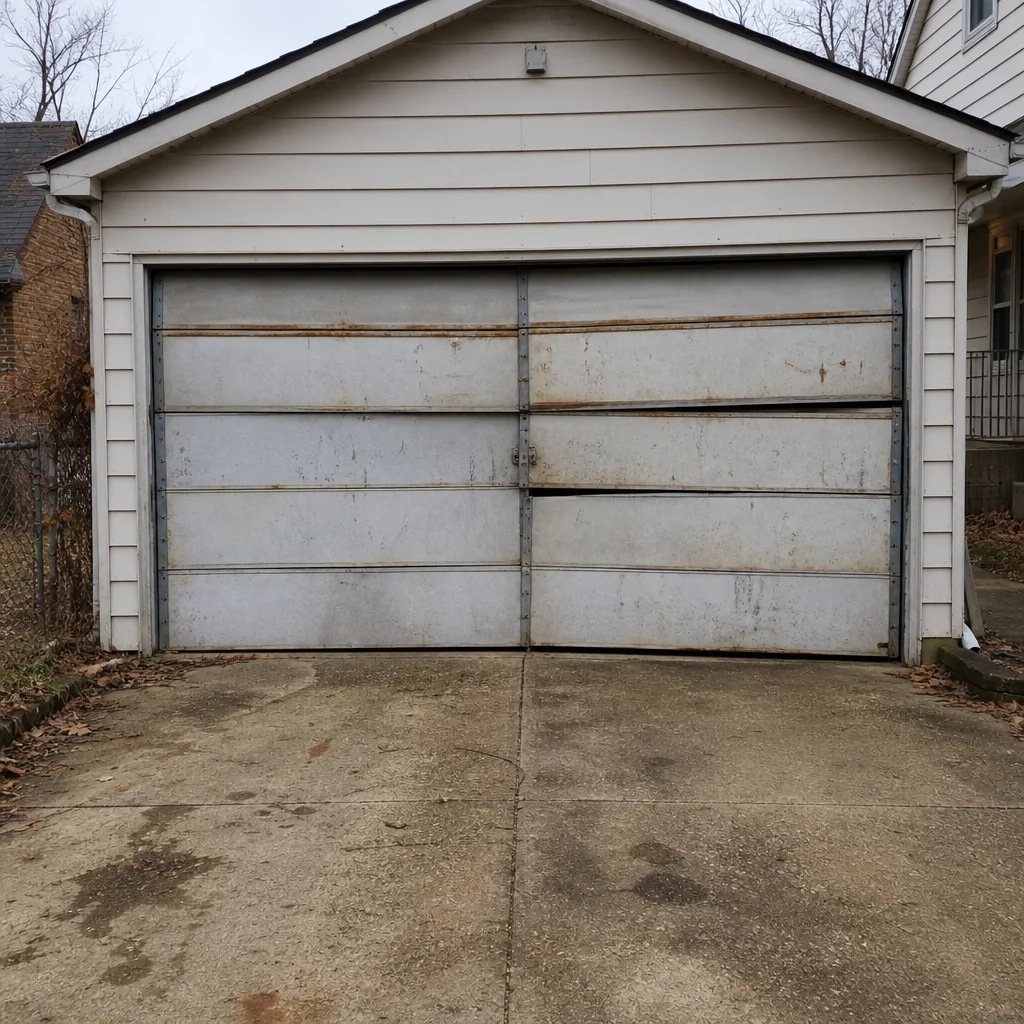 Before
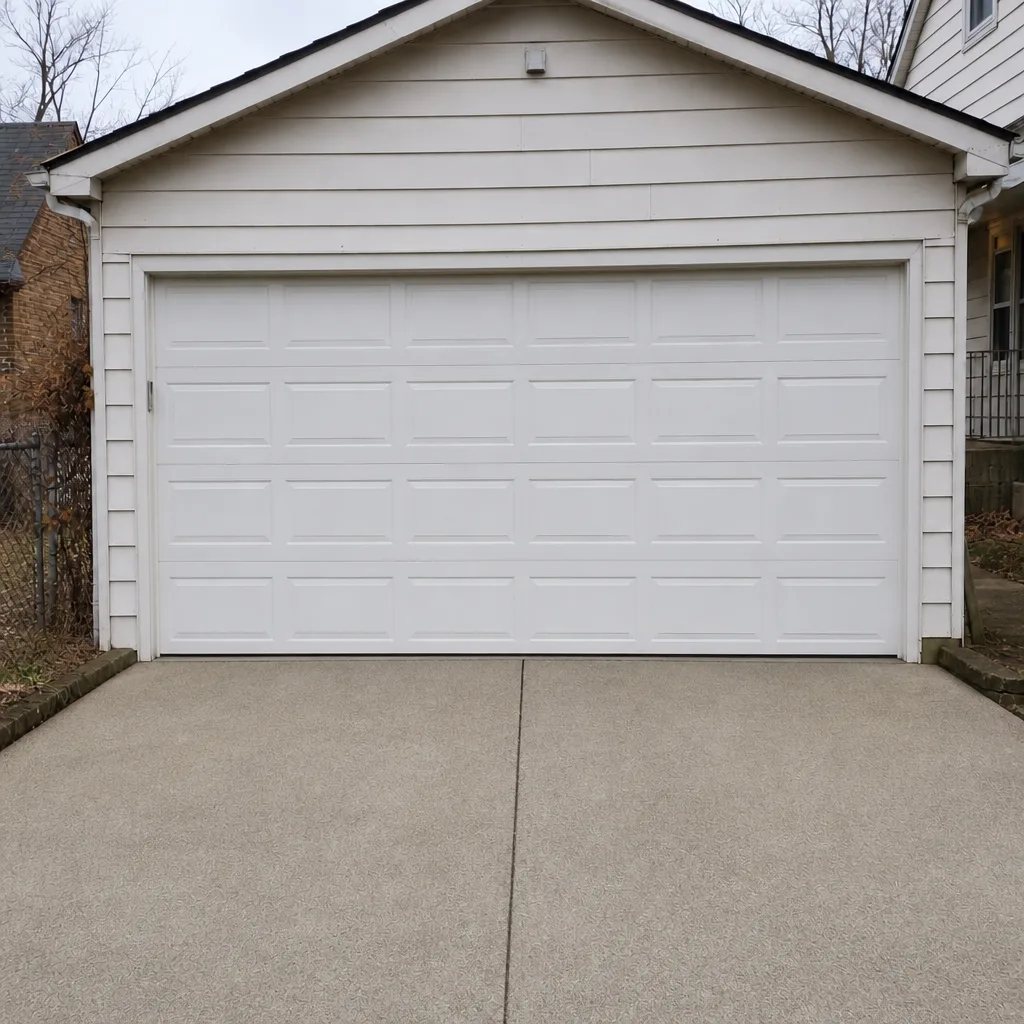 After
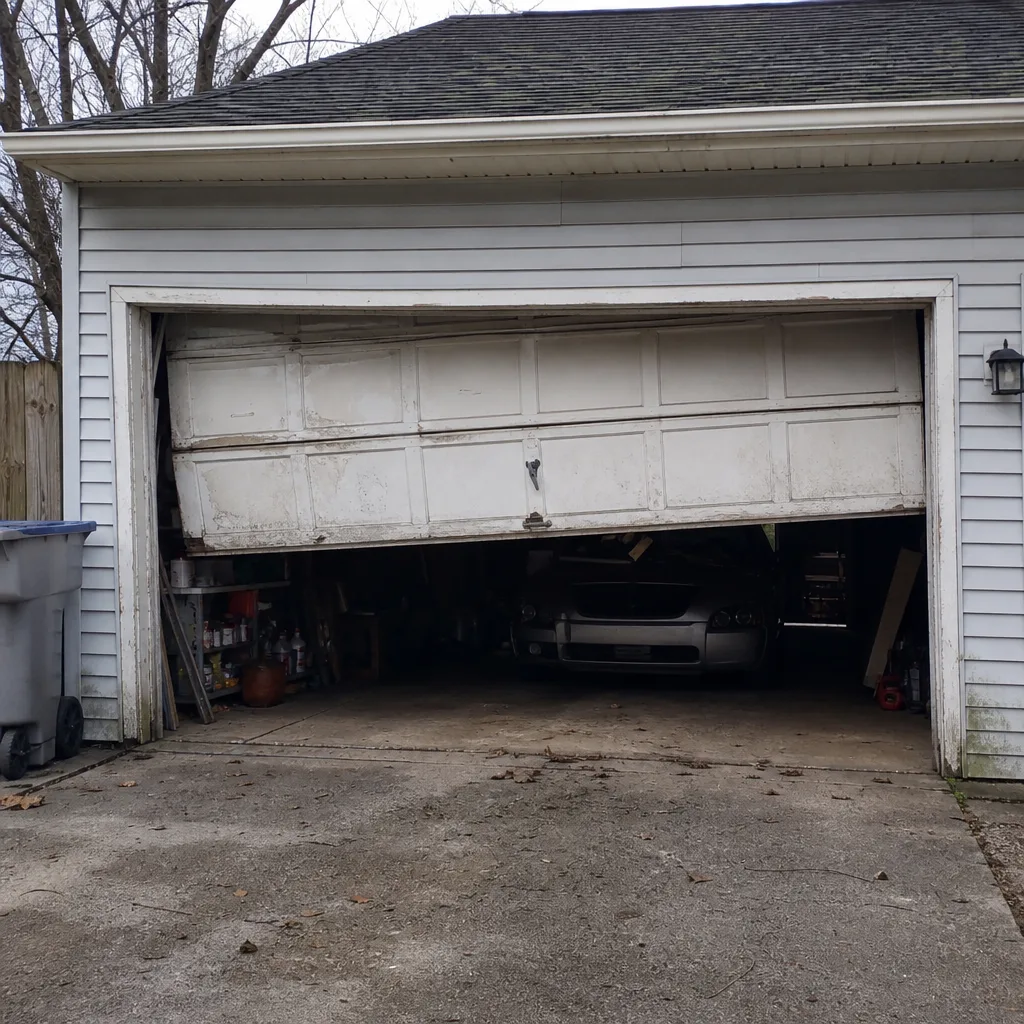 Before
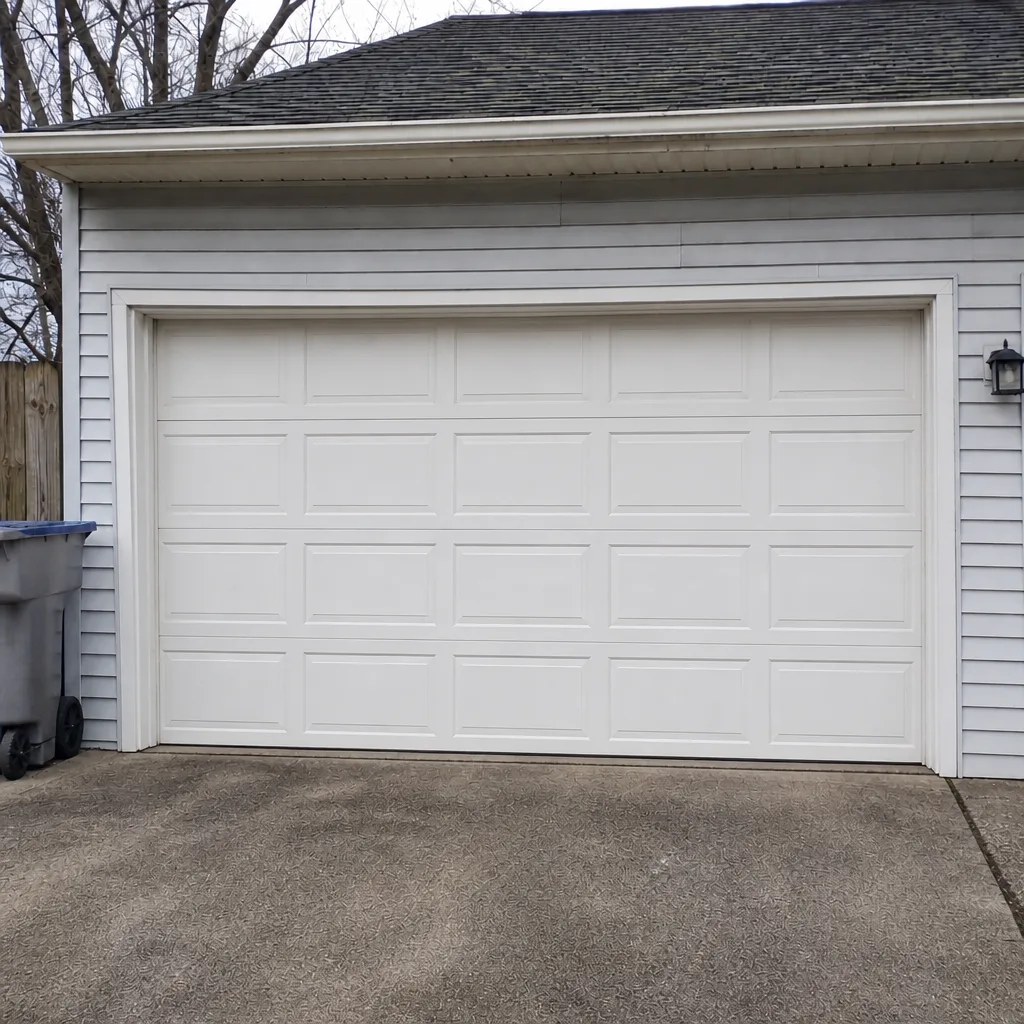 After
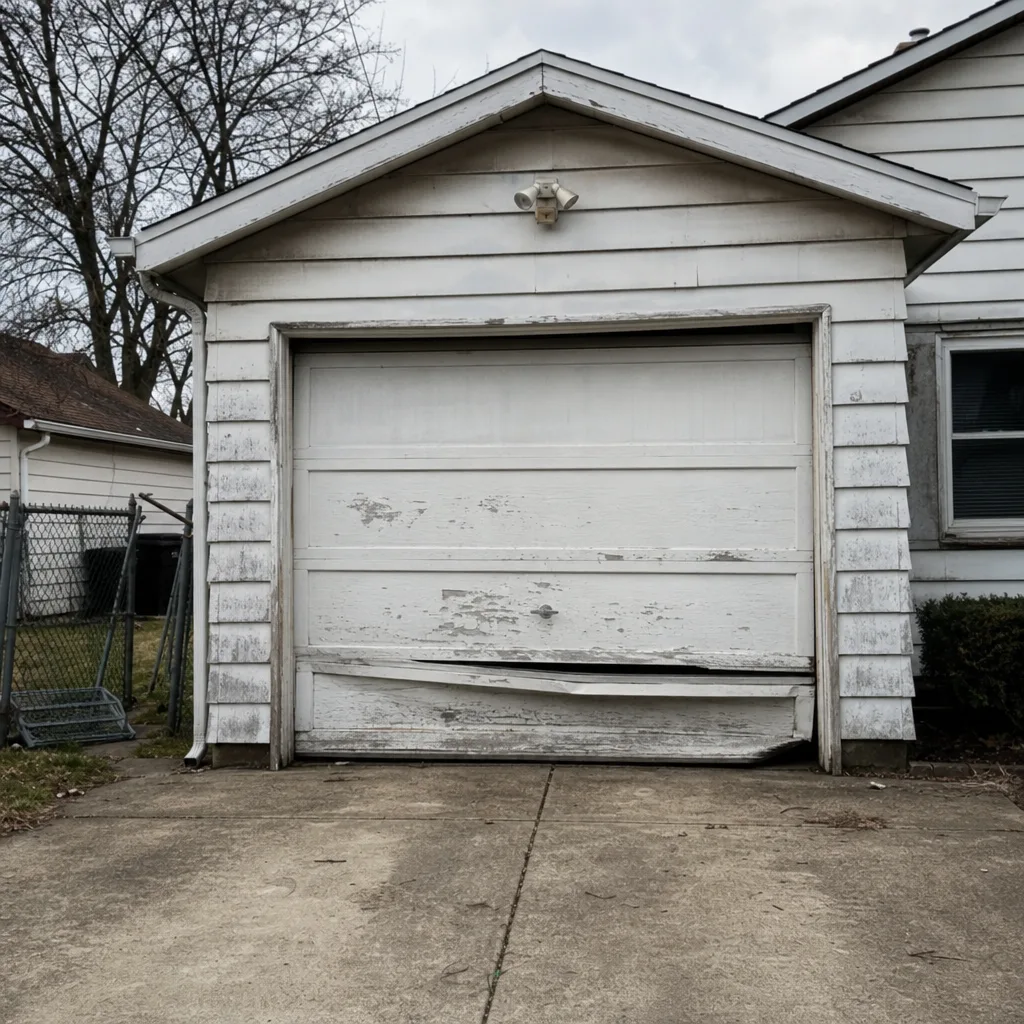 Before
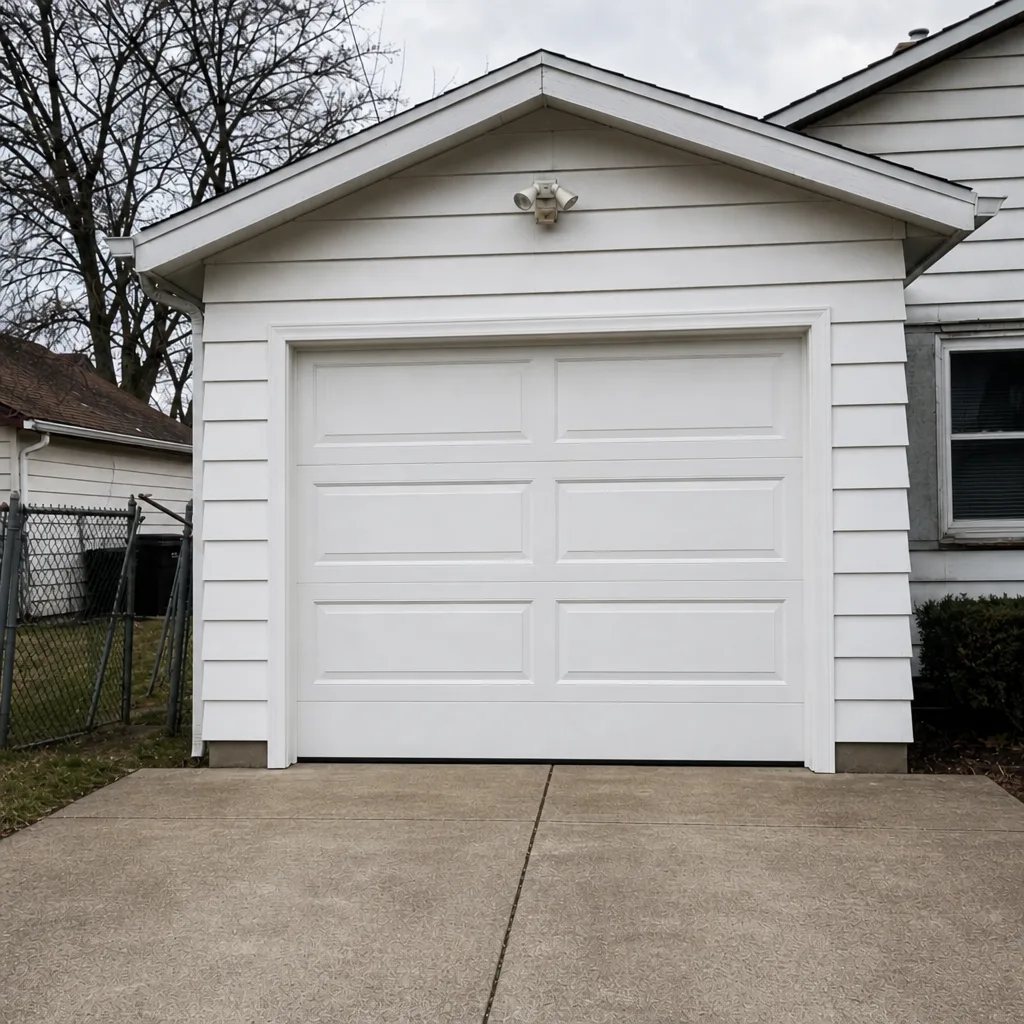 After
When to Call a Professional
Some jobs are maintenance. Some need a trained technician, and no checklist should talk you into the second category. Call a professional when you find a broken spring (a visible gap in the coil), a frayed or kinked cable, a track that’s bent or out of alignment, a door that won’t stay up on the balance test, or an opener that needs the force setting turned up just to close. Any of those is a safety issue, and a snapped spring or cable under tension can hurt someone. Stop using the door and get it looked at. Garage Door Repair Mount Washington offers free estimates in Mount Washington, and we handle both the door and the opener on one call to (866) 565-4809. The price is quoted and agreed before any work starts.
Frequently Asked Questions
The single most important task is lubricating the right parts with the right product and keeping grease off the tracks. A thin film on the springs, silicone or lithium on hinges and rollers, and nothing in the tracks. The wrong product on the springs is the most common cause of premature spring wear, so getting this one right matters more than any other task.
Monthly is the goal, and definitely before winter and after a rough storm. The balance test takes a minute and tells you whether the springs are still carrying the door’s weight. A door that drifts at one height but holds at another is out of balance and wants a service call. Call (866) 565-4809 for an exact quote, and estimates are free.
Yes, a thin film of garage-door-specific lubricant or lithium spray is fine to apply to the springs yourself. What you should not do is adjust the spring tension or wind or unwind a spring. Leave that to a trained technician. These parts are under extreme tension and can cause serious injury. If you’re not sure what product or how much, call us for an exact quote, and estimates are free.
Repair costs vary by the part and the door, so we give a written estimate rather than a ballpark. Common jobs like tune-ups, roller and hinge replacement, or opener diagnostics are quoted on the spot, and a spring repair is its own line item because a matched pair is usually replaced together. Call (866) 565-4809 for an exact quote, and the price is agreed before any work starts.
Usually a repair, and often a simple one. A door that reverses without obstruction usually has a misaligned or dirty photo-eye sensor, a problem with the safety reverse, or a door that’s binding on the track. Clean the lenses first. If it still reverses, call (866) 565-4809, and estimates are free.
Yes, we’re factory-familiar with the leading residential brands and work on what you already own. That covers the door and the opener on one call, so you’re not hunting down a second contractor. If you’d rather upgrade than repair, garage door repair and new installation are both on the table. Call (866) 565-4809 for a free estimate.
The Bottom Line
A garage door maintenance checklist is only useful when it tells you the specific product for each part and the specific test for each component. The big wins are simple: thin lubricant on the springs, silicone on the hinges and rollers, nothing in the tracks, a real balance test at several heights, a cable check most people skip, and a written log that saves a technician guesswork. Do the light checks monthly and the full checklist twice a year, and after every hard Mount Washington winter. When a spring, cable, or track is involved, stop and call a professional.
If your door needs attention, we offer free estimates and upfront pricing. We work on both the door and the opener, including LiftMaster, Chamberlain, Genie, Clopay, Amarr, Wayne Dalton, Craftsman, and Raynor. The price is quoted and agreed before any work starts. Call (866) 565-4809 today, and one call covers the door and the opener.
Written by the team at Garage Door Repair Mount Washington.